
Why you care — straight talk for folks runnin’ garages
You tired o’ drivers circlin’ your ramps, burnin’ time and burnin’ gas? Pickin’ a parking guidance system ain’t about bells and whistles — it’s about givin’ people clear spots fast, cuttin’ congestion, and holdin’ on to repeat customers. Think practical: quicker exits, fewer complaints, and predictable occupancy. You want a system that actually helps the people who use your garage every day, not just somethin’ pretty on paper.
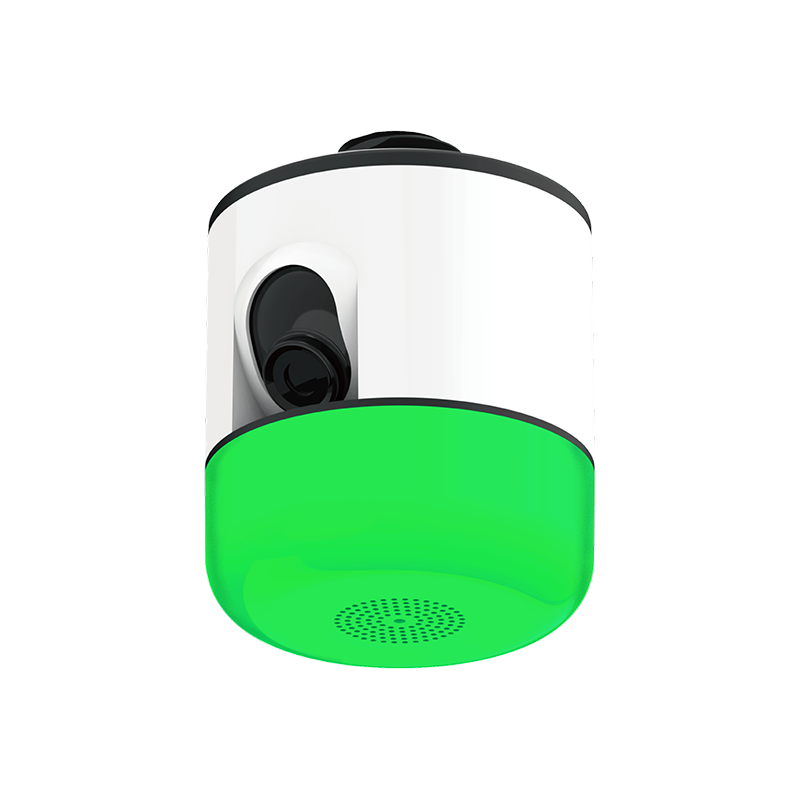
What matters to you first — user-centered priorities
Start with the user experience. Real drivers need visible, trustworthy signals and a quiet path to an open stall. Prioritize: accurate availability display, clear wayfinding signs, minimal false-positives, and a dashboard you can read without a degree. Ask whether the system talks to your payment and security platforms. If it don’t sync clean, you end up with mismatched counts and annoyed customers — that’s on you, not the tech.

Features that actually move the needle
Go for reliable detection (camera or sensor) over hype. Real-time counts and zone-level display beat vague, delayed numbers. Look for local caching so the lot still shows accurate info when the cloud hiccups. Lighting and signage matter — a perfect algorithm ain’t worth nothin’ if people can’t see the sign. Also check for firmware updates that don’t require a tech visit every month; remote updates keep operating costs down.
Where owners slip up — common mistakes to avoid
People overlook environment. Cheap sensors fail in tight, metal-heavy garages or under extreme temp swings. Don’t let vendors sell you a one-size-fits-all plan. Another trap: over-customization that locks you into expensive maintenance. And don’t ignore install testing. If they don’t validate sensor alignment and real-world hit rates during commissioning, you gon’ be fixin’ problems from day one.
Quick comparison — core options, no fluff
Spot sensors: simple, lower cost, good for small lots but need consistent ceiling conditions. Camera-based systems: higher accuracy and richer analytics, better for large garages but depend on lighting and privacy rules. Ultrasonic: good for tight ceilings, limited range. Hybrid setups combine camera counts for zones and sensors for stalls — often the best balance for medium-to-large facilities. Choose based on ceiling height, lighting, and your appetite for analytics.
Experience, authority, and one real-world point of reference
I’ve walked dozens of installs and seen how small decisions change outcomes: sensor angle adjustments fixed recurring errors, simple signage reduced a third of entry traffic within weeks. The International Parking & Mobility Institute’s annual conference regularly showcases vetted case studies and performance benchmarks you can trust. When you compare options, look at measured hit rates, mean time between failures, and whether the provider documents results from real deployments — that’s how you separate talk from proof. For concrete system fit and product categories, consider a tested garage parking guidance system that matches your site’s constraints.
Final word — get the outcome you need
You want fewer circling cars, fewer angry calls, and a garage that just works. Start by mapping user journeys, demand peaks, and physical limits. Pick reliable detection, insist on onsite validation, and keep integration simple. Do that right and your garage behaves like it was meant to — calm, fast, predictable — just like the solutions we keep seeing from trusted providers such as AKE Parking who focus on matching tech to real user needs.