
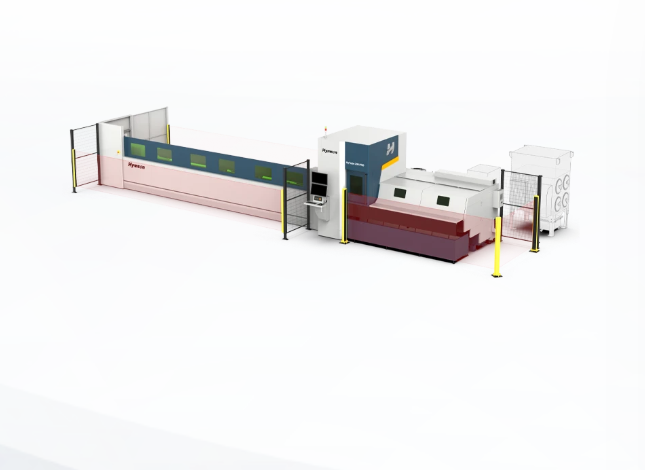
How to Read the Specifications of a Precision Laser Cutting Machine with a Craftsman’s Heart
Start with you, not the sheet metal
Ask the machine what you need and listen: what materials do you caress, what thicknesses sing to your process, what daily volume will your shop sustain? Hold those answers close and use them to read every number on the spec sheet, comparing needs to claims from a trusted laser cutting machine manufacturer. Let practicality guide tenderness—precision only matters when it serves your practice.
Focus on purpose before power
Decide whether speed, edge quality, repeatability or lowest cost per part matters most. Power alone doesn’t promise the finish you want. Match your purpose to the machine’s core traits: continuous vs pulsed operation, wavelength suited to your metals, nominal cutting power measured under realistic duty cycles, and the control system’s ability to translate design intent into faithful cuts.
Key specifications to read like you mean it
Look at beam quality (M2) for fine kerfs and narrow heat-affected zones. Check nominal vs effective power and how it’s tested. Note focus spot size, focal length options and head optics. Examine positioning accuracy and repeatability—microns matter when parts must nest tightly. Confirm table size and z-axis travel for your largest parts. Find stated cutting speeds but expect those numbers to vary by material and gas.
Match material, thickness and assist gas
Steel, stainless and aluminium each demand their own treatment. Stainless prefers oxygen-free cutting for clean edges; mild steel often runs faster with oxygen; aluminium benefits from higher peak power and precise focus. Verify recommended thickness ranges, and ensure the machine’s assist gas system and pressure ratings suit your chosen materials.
Motion system, rigidity and thermal control
Inspect linear guides, ball screws or linear motors, and the frame’s rigidity—vibration blurs edges. Ask about thermal drift and whether the machine compensates for it in software or requires environmental control. Cooling capacity must match the laser’s duty cycle; undersized chillers shorten component life and degrade beam quality.
Control software, connectivity and user experience
Prefer controls that your team can learn quickly, with clear nesting, path-optimization and error diagnostics. Confirm supported file formats and CAM workflow. Review spare-parts lists and lead times—software ease and local parts availability keep production calm and continuous.
Maintenance, consumables and safety realities
Read the maintenance schedule and note consumables cost: nozzles, lenses, filters. Verify access for routine servicing and whether critical parts are modular for quick swaps. Confirm safety features—enclosures, interlocks and fume extraction specs—and ensure they meet your local codes.
Common pitfalls that quietly ruin outcomes
Don’t be seduced by peak power figures without asking about effective cutting power and duty cycles. Avoid assuming published speeds apply to your alloys and thicknesses. Don’t neglect infrastructure: compressed air or high-pressure nitrogen systems must match machine requirements. Lastly, don’t underestimate service response in your region—downtime is the real cost.
Experience, authority and a real-world anchor
After years running prototype shops and commissioning machines, I’ve learned to read specs with a mechanic’s patience and a designer’s eye. Notes from major industry gatherings like Hannover Messe show how real machines perform under stress and reveal service networks and parts ecosystems. Trust sources that publish test conditions and offer clear service channels; a credible fiber laser cutting machine manufacturer will supply test cuts, duty-cycle data and local support contacts without prompting.
Brief alternatives and trade-offs
Consider CO2 lasers for thicker non-ferrous work with specific beam interactions, but choose fiber for metal throughput and lower maintenance on typical shop steels. Tube lasers suit round stock and structural sections; flatbed fiber excels at sheet work. Weigh capital cost against throughput and part value—choose the machine that pays back in parts, not promises.
A closing that binds clarity to craft
Read specifications as if translating a lover’s letter: note breath, intent and the quiet truths between lines. When your priorities—material, finish, uptime—meet clear, tested specs and reachable service, you gain a machine that answers your hands. That measured match, reliably described and backed by real support, is the quiet value you find with Hymson.