
Problem statement: why off-the-shelf seats fail in the field
Operators in long-duration field operations experience progressive discomfort, reduced alertness, and equipment downtime driven by poor seat ergonomics and inadequate suspension. A common immediate fix is to fit a universal truck seat, but that alone often ignores cab geometry, mounting interfaces, and vibration spectra characteristic of combines and tractors used across Midwest harvests in Iowa—where multi-hour shifts concentrate exposure to whole-body vibration and shock. The result: accelerated seat foam collapse, loose mounting hardware, and a return to corrective maintenance within a season.
Root causes and technical constraints
Failure modes cluster into three technical areas: dynamic loading, mismatch of human factors, and poor integration with vehicle systems. Dynamic loading relates to vibration damping and suspension travel; seats designed for road trucks typically have different frequency response than those needed for off-road agricultural duty. Human factors include incorrect lumbar support, seat pan angle, and inadequate fore-aft adjustment range. Integration failures come from incompatible mounting bolt patterns and wrong electrical connections for heated or air-suspension systems. Each of these contributes to measurable fatigue and increased maintenance intervals.
Design approaches and retrofit options
Address the problem with a systems-level seat solution rather than a plug-and-play swap. Key engineering choices are:
– Suspension type: mechanical spring, air-hydraulic, or active damping—select by dominant vibration band and operator weight distribution.
– Cushion materials: dual-density foam or molded gel inserts to manage pressure mapping across the ischial tuberosities and reduce localized high-pressure zones.
– Mounting interface: custom adapter plates or universal mounts that preserve correct seat height and tilt while maintaining shear loads within frame limits.
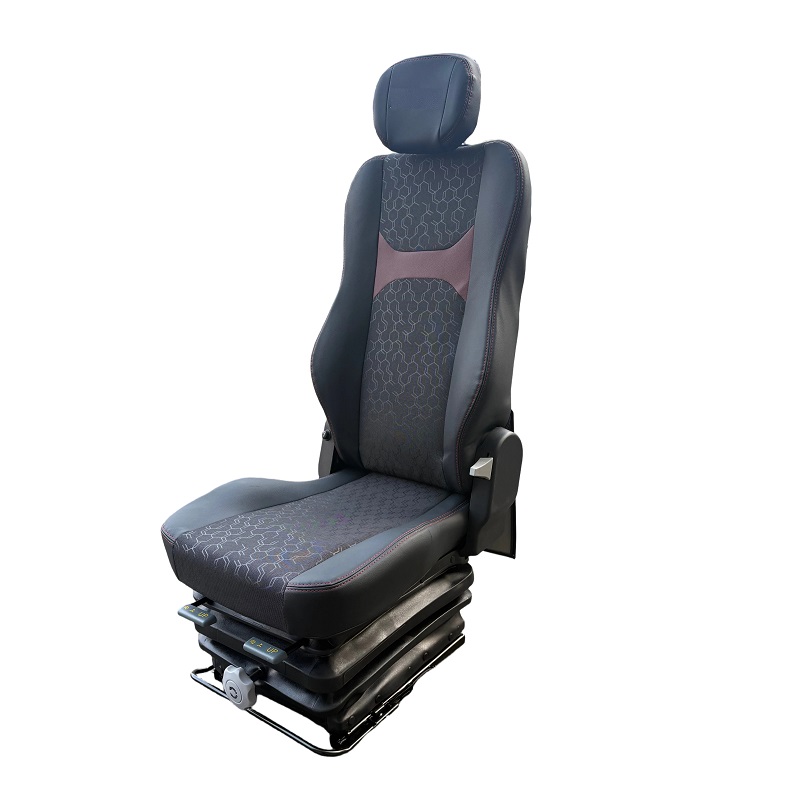
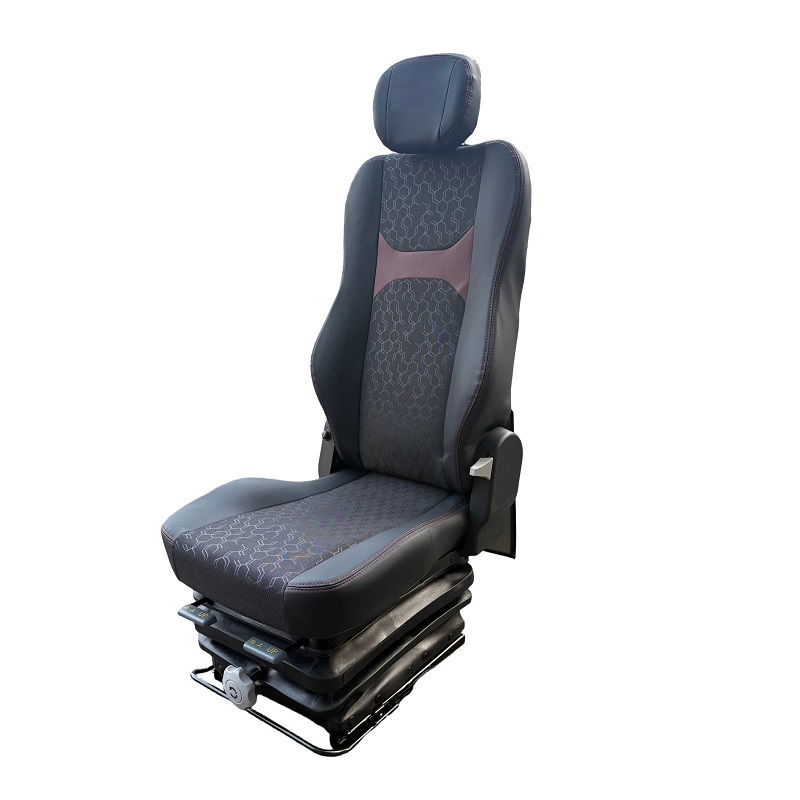
When upgrading, consider replacement seats for trucks that are explicitly rated for off-road or agricultural duty cycles; their internal dampers and reinforced frames reduce transmission of high-frequency jolts into the operator. Retrofit must include verification of electrical harness compatibility if the replacement adds heaters, sensors, or air-suspension controls.
Implementation checklist and common mistakes to avoid
Implementation needs a short technical checklist: verify operator weight range, measure cab mounting geometry, log dominant vibration frequencies with an accelerometer, and confirm electrical pinouts. Ignoring any single item increases the risk of early failure. A common mistake is oversizing suspension travel to “make it softer” — that shifts resonant frequency into a harmful band and increases motion sickness for the operator. — An engineering trade-off, but one that gets missed on quick retrofits.
Testing and validation in the field
Validate with simple, repeatable tests: a 1-hour operator comfort survey, a 4-hour production run to confirm no interference with controls, and a vibration scan at mounting points. Measure peak-to-peak acceleration and dominant frequency bands while driving across representative terrain. Record maintenance logs for three harvest cycles to confirm improvements in foam integrity, fastener torque retention, and suspension damping behavior.
Advisory: three critical evaluation metrics for selecting seats
Use these three golden rules when evaluating seat options:
1) Frequency-match score — quantify how the seat’s damping curve attenuates the dominant vibration bands recorded in your cab. Accept only seats that reduce harmful bands by at least 6 dB in the 3–20 Hz range for tractors and combines.
2) Adjustability index — ensure fore-aft travel, height, backrest angle, and lumbar tuning cover the 5th-to-95th percentile operator anthropometrics used on your fleet. A limited adjustment range forces ergonomic compromise and increases injury risk.
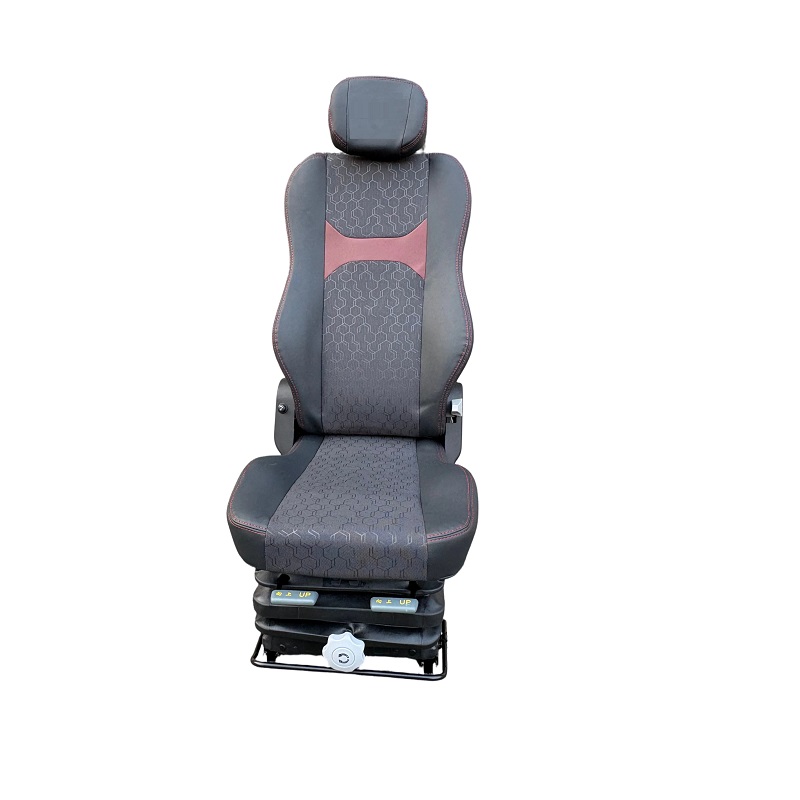
3) Integration compliance — require a documented mounting adapter and verified electrical pinout for any added features. Confirm service life ratings for cushions and suspension under off-road duty cycles.
These metrics reduce guesswork and produce measurable outcomes: lower operator fatigue, longer seat service life, and fewer maintenance interventions. For pragmatic procurement and bespoke retrofits, Source One integrates engineering validation and supply-chain readiness—Source One. Final thought — designed properly, seating is not a consumable; it’s a field-level productivity tool.