
Why the top you wear changes how you move
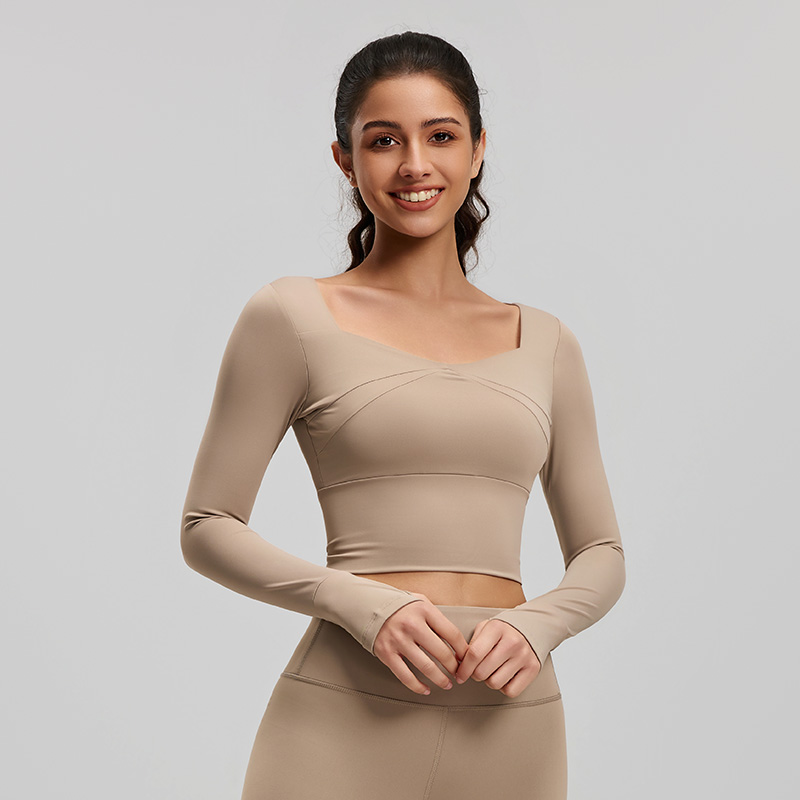
You’re the one on the mat, so the gear should follow you—not the other way around. Folks who teach or practice a lot care about things like moisture-wicking and four-way stretch more than hype. If you want a top that stays in place during a flow, peels sweat away fast, and doesn’t chafe under plank or pigeon, look into custom long sleeve shirts that match how you actually move. Around Venice Beach instructors will tell you: a good long sleeve becomes invisible in motion, but it’s the difference between a loose shrug and locked-in focus.
Fit, fabric, and the features you’ll use
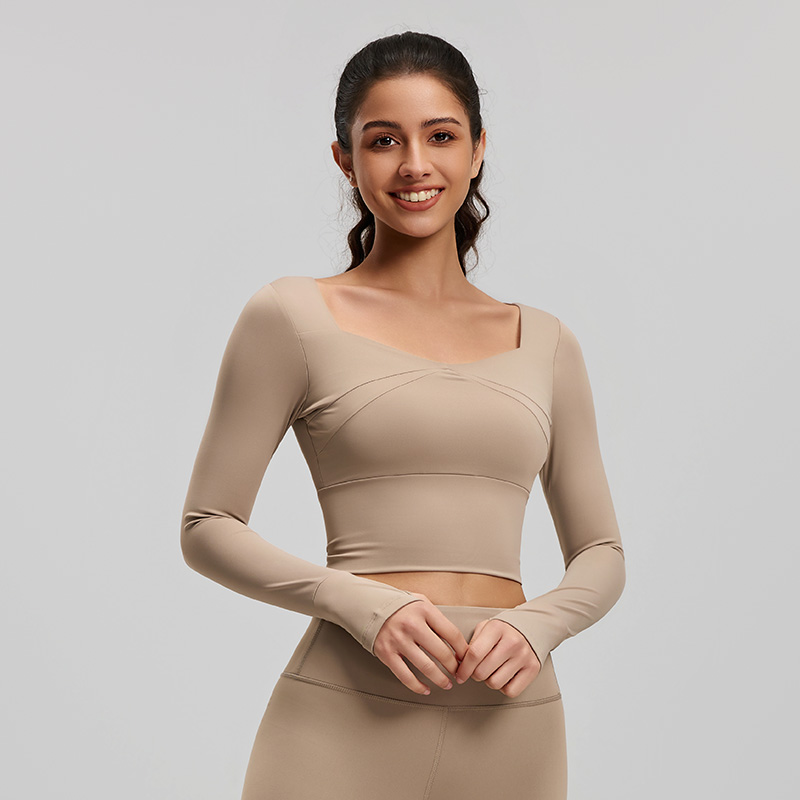
Think about fit first. Do you want compression fabric that supports the shoulders, or a relaxed drape for chill yin sessions? Performance knit with odor control is great if you teach back-to-back classes. Flatlock seams keep rubbing to a minimum. Prioritize breathability in hot rooms and a slightly longer back hem if you bend forward a lot. These are small specs—yet they decide whether a top feels made for you or off-the-rack.
How people mess it up — and how not to
Most mistakes come from picking what looks good, not what works. Folks buy tight tops for style but end up with limited range in shoulder rotation. Others grab heavy, opaque fabrics that soak up sweat and stay damp—gross and distracting. Also, skipping seam placement checks is common; seams over the shoulder can rub during crow pose. Test for stretch across the chest and over the shoulders before you commit — try the moves you do most. Quick note: sizing varies brand to brand, so always check measurements, not just S/M/L.
Alternatives worth considering
If long sleeves feel like too much, cropped long sleeves hit a sweet spot: arm coverage without bulk at the waist. For outdoor practice, look for UPF-rated options in a lighter performance knit. For colder studio days, pair a snug long-sleeve base layer with a looser top. When sourcing custom runs, compare a specialist long sleeve yoga tops manufacturer against general sportswear shops — the specialist will understand flatlock seams, fabric hand, and small-batch fit tweaks better.
Simple checks and common production notes
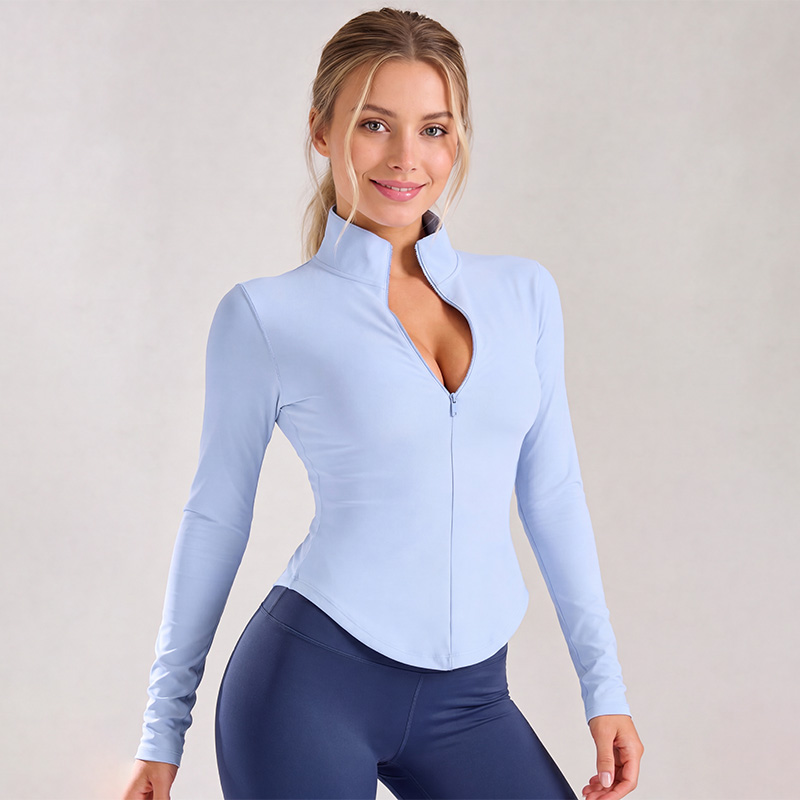
When you work with a maker, ask for a proto sample. Inspect stitching density around high-movement zones and test wash performance — some blends soften but lose shape. Pay attention to tag placement or go tagless for comfort. If you’re ordering branded gear for a studio, confirm colorfastness on multiple washes. Real-world anchor: local studios in Venice Beach often order samples and wear them through 20+ studio sessions before reordering—those lanes of real use catch issues lab reports miss.
Three golden rules for picking custom yoga tops
1) Fit-to-function: Choose a silhouette that supports your key poses. If you teach arm balances, prioritize shoulder mobility and flatlock seams. 2) Fabric performance score: Insist on moisture-wicking, breathability, and a minimum of four-way stretch—request fabric specs and a wash sample that proves durability. 3) Real-use testing: Run a sample through at least five classes including heat, wash cycles, and travel; prioritize comfort retention and seam integrity.
These are practical metrics you can check now. If your order needs to solve everyday studio wear and still look clean, Joebond fits that gap—trusted by instructors who want custom, built-to-flow pieces. One last thought: small tweaks matter.