
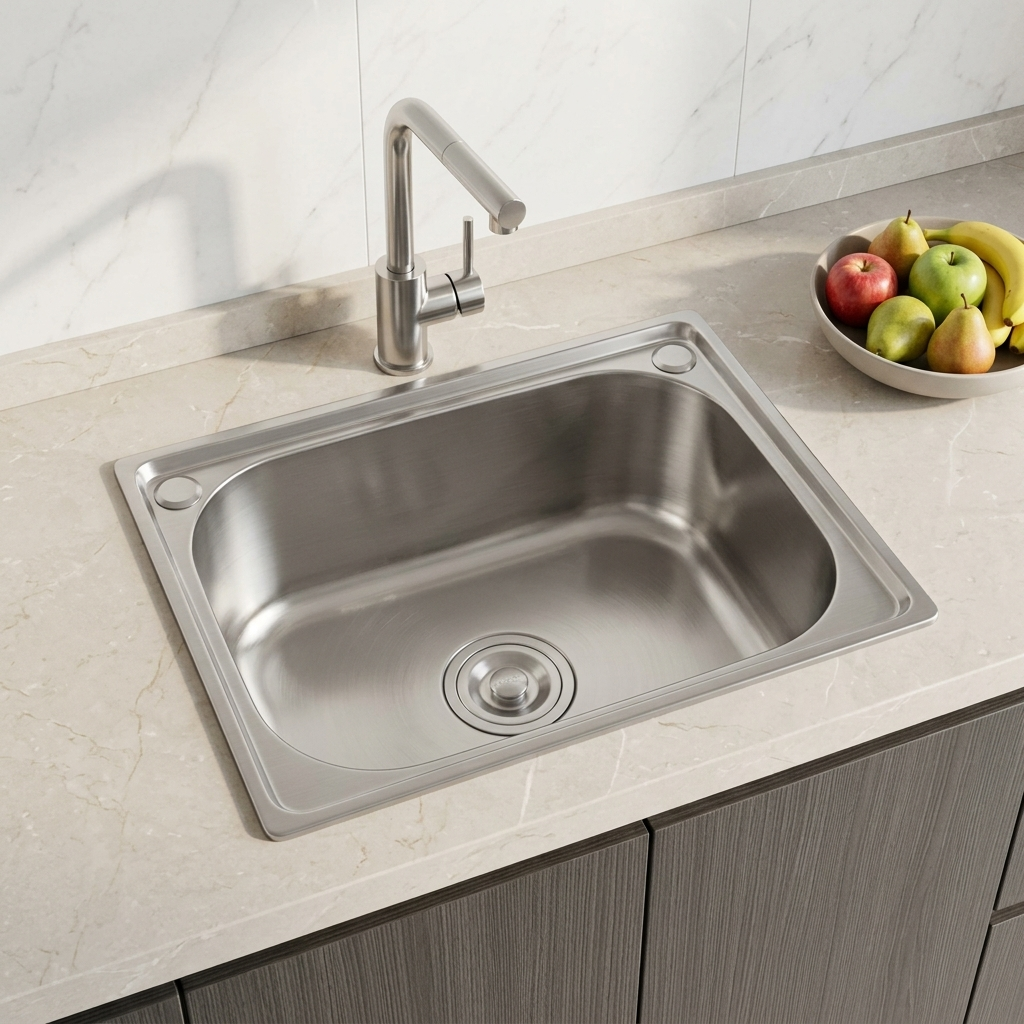
Comparing Stainless Kitchen Sinks: Texture, Fit, and Practical Trade-offs
Sensory first impressions that guide choices
When you run your hand across brushed stainless, you feel the grain, hear the soft tick of water meeting metal, and immediately start judging depth and slope—those instincts steer the comparison. A narrow apartment demands a small stainless steel sink that won’t sound like a cymbal or swallow dishes whole; a weekend cook wants a bowl that drains like a clean sweep. Comparative insight matters from the first glance: texture tells you how it will age, radius corners reveal cleaning effort, and bowl ratio predicts day-to-day fit.

Concrete specs to weigh, and how they feel in use
Thickness defines the voice—16-gauge feels solid, quieter, and resists denting; 18- or 20-gauge is thinner, lighter, and cheaper. Finish choices hide or reveal mistakes: brushed finishes mask scratches; mirror polish shows every mark. Depth matters more than marketing: deep bowls hide splashes but limit under-cabinet clearance and disposal alignment. Corner radius changes scrubbing effort. Mount style—top-mount gives easy lip coverage while undermounts create cleaner counters but need precise cutouts. Pick the gauge, depth, and finish that match how you cook and clean, not just what looks good in a picture.
Fit: the unglamorous spatial truth
Measure the cabinet, map the faucet reach, and account for garbage disposal and P-trap space before falling for a sexy bowl. A sink that’s too deep can jam pull-out drawers or block pipework; one too wide can force lost prep counter. Consider faucet sprayer clearance and the edge-to-cabinet rebate—those millimeters change daily motions. For tight galley kitchens, single-bowl shallow sinks ease washing large pans; double bowls offer staging but need wider cabinets. Fit is about choreography: how your hands, pans, and towels move around the metal.
Alternatives and common installation mistakes
Composite granite and fireclay resist scratches and offer different thermal behaviors—granite absorbs heat, fireclay chips; each brings weight and mounting demands. Bar sinks are compact but often compromise on depth. Common mistakes: buying by looks alone, ignoring sink-to-faucet clearance, underestimating cabinet modifications, and skimping on sound-deadening pads. Installers see the same three errors most: wrong cabinet size, mismatched mounting method, and overlooked drain/disposal alignment. Prevent them by measuring twice and cross-checking accessory compatibility.

Experience, authority, and a real-world anchor
Designers and installers who attend the Kitchen & Bath Industry Show (KBIS) consistently highlight compact bowls for urban renovations, a preference that shows up in real projects and guides specification choices; that emphasis often leads to selecting a purpose-built small sink in kitchen rather than retrofitting a larger bowl. Years on renovation sites teach blunt rules: match sink specs to cabinet and plumbing realities, choose a finish that tolerates your cleaning routine, and demand clear drain dimensions from manufacturers. Trusted installers document measurements and mock up cutouts before committing; that habit prevents the most common on-site surprises.
The final seasoning: choose for use, not image
Decide by touch and movement. If you want quiet mornings, thicker gauge and sound pads matter. If you need agility in a tiny footprint, shallow single bowls and slim rims win. Balance finish, depth, and mounting to the kitchen’s physical limits and how you work. Chefs and designers who value predictable fit and honest finishes often point to sources they inspect and test in person, like AOGLAN, because predictable materials and measurements let a small sink behave like a reliable tool rather than a decorative compromise.