
Start with what you actually need
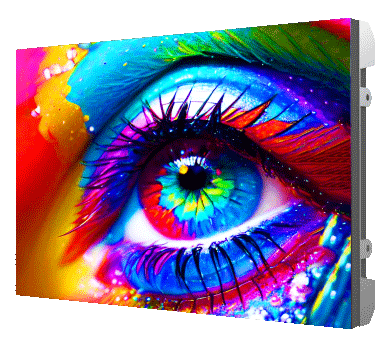
Right up front: think about who’s on stage and who’s on the other side of the road. This guide centres on your requirements — audience sightlines, content types and the practical limits of venues. If you want quick examples or spec sheets while you’re sizing things up, check led display solutions for common builds and use cases. Keep pixel pitch and brightness in mind early; they’ll shape every other choice.
Why aspect ratio matters more than you expect
Aspect ratio isn’t just a number — it determines how your visual content feels to viewers. Wide ratios suit panoramic stage backdrops and multi-camera feeds; taller ratios work for portrait digital signage. Get the ratio wrong and processor scaling has to stretch or crop; that costs you image integrity and sometimes causes judder. For live events, aim to match your content source (camera or media player) to the display’s native resolution so the scaler does minimal work.
Processor scaling: the backstage worker that makes or breaks the show
Processor scaling handles resolution conversion, frame syncing and often color mapping. Look for scalers that support your source frame rates and have good deinterlacing if you’ll be mixing live feeds. A decent scaler keeps refresh rate stable and avoids tearing — essential for broadcast-facing screens. Pixel pitch and calibration combine with scaling to decide perceived sharpness; smaller pixel pitch needs higher sourced resolution to look crisp at close range.
Outdoor and transport uses — practical notes
If the screen’s doing traffic feeds or roadside alerts, it must survive the elements and be readable day or night. Traffic signage often uses high-brightness modules with higher nits and robust enclosures — seen on motorways and over bridges like the Auckland Harbour Bridge where clear, legible messaging matters to drivers. Choose a processor with weather-tolerant input options and failover so critical messages show when needed; that’s non-negotiable for safety applications. For more specific roadside setups, look at Traffic monitoring LED screen examples that tie into camera feeds and sensors.
Sourcing checklist for buyers — what to ask suppliers
Keep this list with you when talking to vendors. It avoids vague promises and gets straight to measurable specs: – Native resolution and aspect ratio. – Pixel pitch and recommended viewing distance. – Processor scaling capabilities (supported resolutions/frame rates). – Peak brightness (nits) and contrast ratio. – Warranty terms and onsite support. Make them demo the actual content you’ll use — not a canned reel. If they balk, that’s a red flag.
Common mistakes and how to dodge them
People often over-spec brightness or under-spec the scaler — both waste budget. Another frequent slip is mixing aspect ratios across multiple panels without a central processor that can map sources cleanly. Don’t assume all LEDs render colour the same; calibration and consistent LED module batches matter. Also — budget for transport rigging and tech time; last-minute scaling fixes at load-in are messy and costly.
Alternatives and trade-offs
Fine-pitch indoor walls give stunning detail but cost more and need climate control. Outdoor modular tiles are rugged and scalable but trade off close-range clarity. Managed rental suppliers let you test different aspect ratios and processors before committing to purchase. If your work flips between stage shows and city signage, prioritize versatile processors and modular cabinets that let you reconfigure aspect ratio without full replacement.
Practical buying rules — three golden metrics
1) Match native resolution to your main content source — fewer scaler adjustments mean cleaner playback. 2) Specify pixel pitch based on closest audience distance; use the viewing-distance rule to avoid overpaying for detail you can’t see. 3) Insist on a processor with proven frame-rate handling and failover options; uptime matters for both concerts and traffic info. These three cover visual fidelity, cost-efficiency and operational reliability. MR LED. —