
User needs first — the real driver
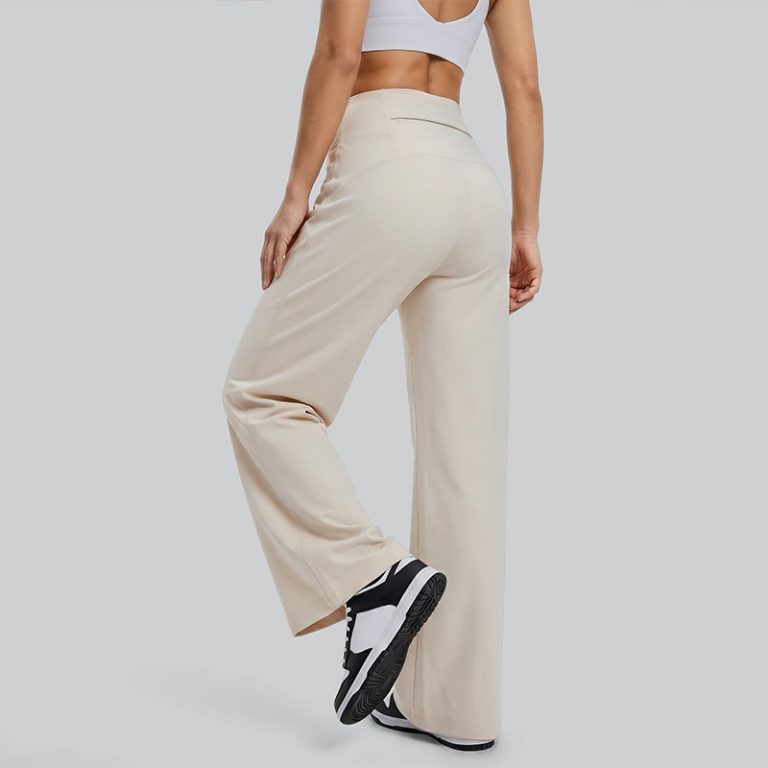
Start from the person wearing the top, not the factory checklist. For many yogis and active commuters in Hong Kong, a long sleeve top must balance breathability, modest coverage and mobility — so designers often pair a soft compression fabric with four-way stretch and strategic ventilation. When brands offer made-to-order runs, customers expect fit options plus pattern choices; that’s why many small teams bundle bespoke long sleeves with matching custom yoga leggings for a coordinated look, lah.
From sketch to sampling — operational teardown
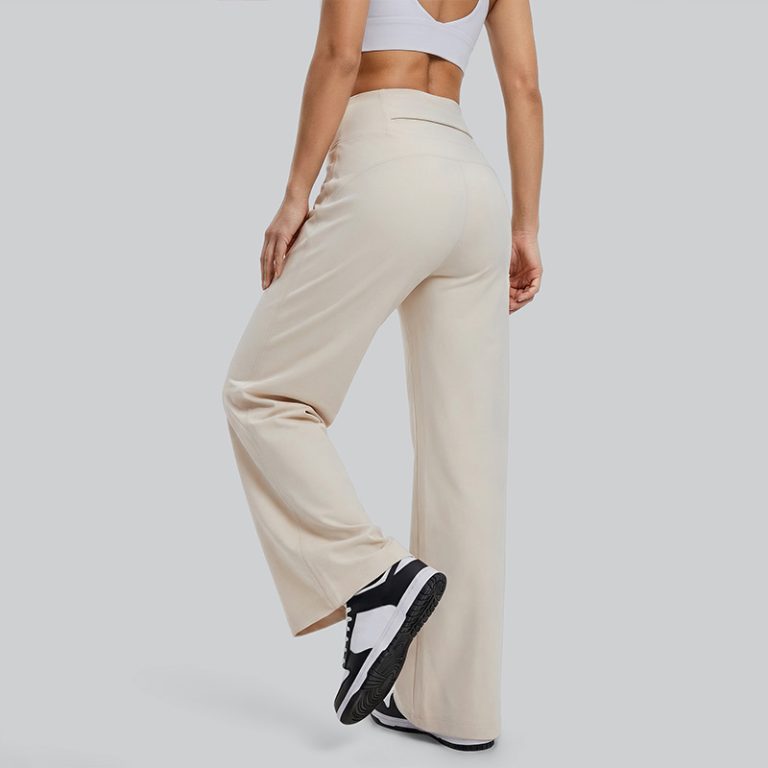
Keep the production path lean: single-piece pattern grading, prototype sampling, and a focused lab test for seam strength and moisture-wicking. Use flatlock stitching on high-stress seams to reduce chafe, and trial sublimation printing only after fabric dye-fastness tests pass. I once did a sourcing run in Causeway Bay, Hong Kong, and watching three sample iterations on the shop floor made clear which tolerances matter — cuff stretch, sleeve taper, and collar collapse under repeated stretches.
Materials and tech that matter
Choose fabrics by function: moisture-wicking knits for high-intensity practice, cotton-blend jersey for casual wear, or technical blends when compression fabric is required. Seamless construction works well for layer pieces that sit under jackets; however, a seamless sleeve isn’t always best for heavy printing. For custom printed pieces, ensure ink penetration testing and abrasion resistance checks are documented before bulk runs.
Fit, grading and production pitfalls
Many mistakes come from underestimating grading tolerances between sizes — too tight at the biceps or too loose at the hem makes a garment feel off even if measurements meet spec. Another common slip is over-printing stretch zones. Sublimation printing looks sharp but can alter fabric hand if placed over key stress points — place prints thoughtfully and favour side panels or back yokes when using high-stretch areas.

Testing and real-world validation
Validate prototypes through short wear trials: 10–15 users across body shapes, two-week rotation in varied climates, and wash cycles that mirror consumer use. Track pilling, colourfastness and seam integrity across five wash cycles — that’s a good basic threshold before committing to a production lot. These practical checks give clearer insights than lab-only reports.
Alternatives and what works for small batches
For low-volume brands, digital printing and on-demand production reduce inventory risk. If you need heavier durability, consider bonded seams and reinforced elbows. For fast fashion lines, simpler prints and reliable jersey blends keep costs down without sacrificing perceived quality. Many small labels mix a high-end core style with seasonal printed variations — a clever way to manage cost while keeping fresh designs on the floor.
Common mistakes to avoid
Don’t skip a wear trial. Don’t let graphic placement ignore stretch dynamics. Don’t assume all “moisture-wicking” fabrics perform the same — test for absorption rate and drying time. — simple steps that keep returns low and customer satisfaction high.
Three golden rules for selecting production partners
1) Measure transparency: require clear sample revision logs, wash test results and fabric certificates that list construction and GSM values. 2) Demand process alignment: the partner must be able to show prototype timelines, dye/print trials, and final inspection checklists. 3) Prioritise iterative testing: small pre-production lots reduce surprises and let you tune fit or print placement before full runs. These rules point straight to partners who blend thoughtful design with reliable manufacture — and that’s where a practical production partner like Joebond naturally fits as a solution for those wanting consistent, user-centered outcomes. – durable simplicity.