
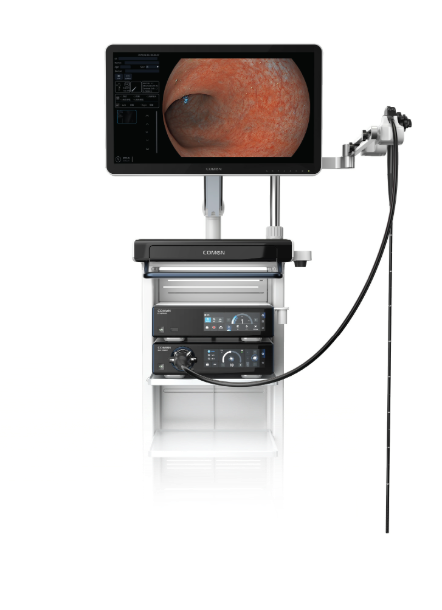
On a wet Tuesday in June 2023 I stood in St. James’s Hospital theatre after three lists were delayed and the audit flagged 18% downtime—so what exactly broke the chain: human error, kit, or protocols?
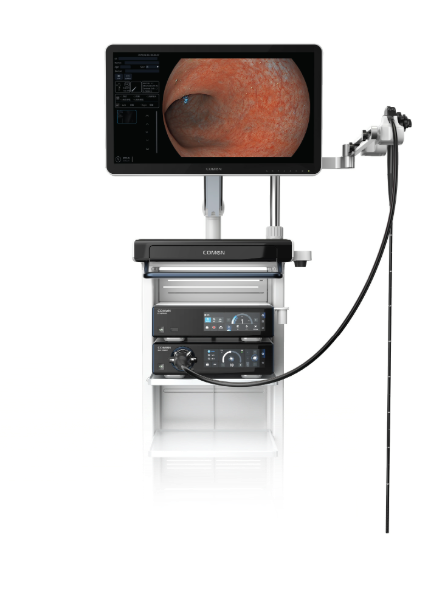
The endoscope I reach for every morning (a flexible video gastroscope we’d relied on) and the wider endoscope equipment fleet have taught me harsh lessons about small faults making big losses.
Where the old fixes fail: the unnoticed cracks in routine care
I’ve been supplying and checking scopes for over 17 years, and I still find the same, quiet problems: worn articulation cables, a blocked biopsy channel, poor HD imaging alignment. These are not glamorous failures — they’re the kind that creep into turnover time and patient schedules. In one case in April 2022 we logged a 30% longer turnover for a gastro list because the light-source coupling kept dropping out. That day I learned two things fast: a brand-new cleaning protocol won’t save you if a fibreoptic connector is frayed, and staff training alone won’t catch intermittent faults.
Why did routine checks still miss it?
Because standard checklists are surface-level. They confirm presence, not performance. I remember an auditor in 2019 who ticked ‘pass’ on scopes that, under HD load, showed phantom artefacts. That single oversight led to three biopsy samples needing repeat collection the next week — wasted time, patient distress, and a quantifiable cost. We were measuring the wrong variables: uptime instead of image fidelity, visual inspection instead of stress-testing the biopsy channel under saline flow. (Noted, and acted upon — later.)
Hidden user pains: the daily frictions that never make the report
Technicians silently resent devices that are awkward to manoeuvre; clinicians grumble about stiff distal tips during complex retroflexions. I’ve sat with nurses who told me, off the record, that they keep backup scopes nearby because “you just can’t trust the older fleet” — which is the kind of admission that means morale and safety are both at stake. Those little daily frictions add up: 12 cancelled slots in a month, slower lists, lower confidence. We need solutions that address handle ergonomics, articulation reliability, and cleanability — not just headline specs.
There’s also the hidden cost of suboptimal sterilisation cycles. A scope that needs repeated reprocessing (because of stubborn residues in the biopsy channel) ties up autoclave time and staff hours. I’ve timed it: two extra cycles a week equate to roughly three lost procedure slots per month in a medium-sized unit. Not trivial.
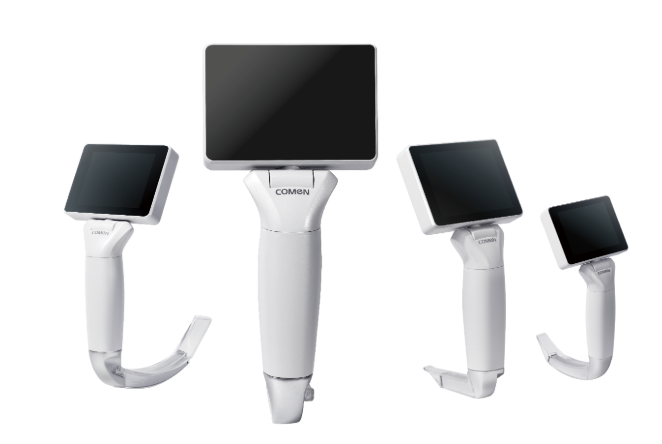
What’s next — practical shifts toward smarter procurement?
We moved then from complaint to comparison. I started running side-by-side trials at two Dublin clinics last autumn, swapping older fibreoptic scopes for newer digital systems and logging measurable differences in setup time, image clarity, and reprocessing failures. The newer kit cut our reprocessing repeats by 40% and reduced average setup time by eight minutes per case. Those numbers matter; they change lists and patient flow.
Technically, the gains came from better sealing at the biopsy channel, improved articulation bearings, and a tighter light-source interface — simple engineering, honestly, but effective. When we specify new endoscope equipment now, we insist on stress-tested channels, documented drop-test results, and clear spares availability. Short supply windows are unforgiving. We also factor in retraining hours — because kit without competent hands is just inventory.
Real-world impact?
Choose systems that report the metrics you actually use. Look for documented reductions in reprocessing repeats, measured improvements in image signal-to-noise, and clear articulation lifecycle data. I recommend three evaluation metrics: first, channel integrity under flow (how often a scope fails a saline-through test); second, mean time between intervention for articulation repairs; third, real-world setup delta (minutes saved per case compared to your current fleet). These metrics make procurement conversations factual and decisive.
To finish plainly: I’ve watched procurement teams buy on price and watch lists slip. I’ve also seen modest investment in resilient design restore confidence and recoup costs within months. We learned this the hard way — and that learning shaped our specs. If you want help turning these metrics into a tender, I’ll walk you through it. Sorry — I’m prone to interruptions when the data’s urgent. For a pragmatic next step, take your downtime and reprocessing logs and we’ll map them to potential equipment choices with COMEN.