
Spot the real problem first
Many buyers assume all adhesive suppliers are interchangeable until panels separate, trim lifts, or application slows production. As your instructor here, I want you to start by naming the failure mode you can’t tolerate — bond strength, cure time, odor, or tool compatibility — then use that as the filter when evaluating vendors. If you’re sourcing at scale for automotive trim or retrofit work, it’s smart to check options from a trusted nailfree adhesive supplier early, so you compare real samples against your requirements rather than marketing claims.
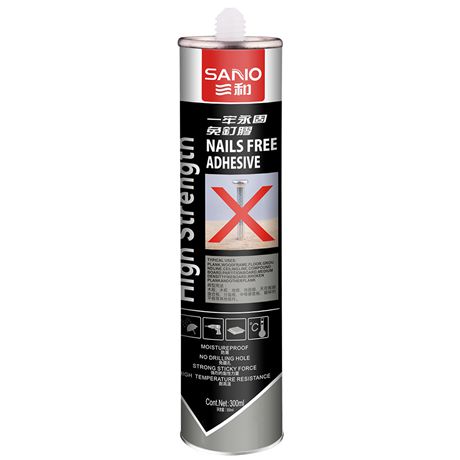
Essential questions to ask suppliers
Ask direct, measurable questions: What’s the tensile and shear strength after full cure? Which substrates and surface preparations are validated? What is the working time and recommended application temperature? Can you supply batch certificates and shelf-life data? Request technical data sheets and insist on test results performed under conditions that match your process. If a supplier answers vaguely, treat that as a red flag.
What to request with samples
Ask for application-ready samples, not lab-only cartridges. Request a small production run or a mock-up piece you can stress-test—temperature cycles, salt spray, or vibration tests matter for vehicle interiors and exterior trim. Get instructions for surface prep and tools used. Compare how each sample performs against the single failure mode you identified earlier.
Experience, standards and a single real-world anchor
Suppliers who can cite certified standards are easier to trust. Look for references to industry standards such as EN 15651 for façade and sealant performance and ask whether the product was tested accordingly. Also verify on-site or lab experience: a supplier who has documented automotive interior trials or provided materials for certified projects will answer application questions clearly. For a practical verification step, review the technical dossier provided by a high strength nail free adhesive sealant supplier and match their reported test conditions to your own; if numbers and methods line up, you have stronger evidence to proceed.
Common pitfalls to avoid
Don’t accept optimistic cure times without seeing results on your substrates. Don’t skip surface compatibility checks—some adhesives cling to painted surfaces but fail on raw plastics. Beware of price-first decisions that ignore rework costs. Avoid assuming lab values apply to field conditions; always validate with a sample under real application steps.
Alternatives and quick comparison logic
If nail-free adhesive grades don’t meet a specific need, consider mechanical fasteners or hybrid adhesive systems as fallbacks. Compare options by the same three metrics: bond durability, process speed, and total installed cost (material plus labor and rework). Use identical tests and timeframes to keep comparisons fair.

How to set your acceptance criteria
Make pass/fail thresholds practical: specify minimum shear values, allowable elongation, cure window that fits your line speed, and acceptable odor or VOC limits for finished assemblies. Put those limits into purchase orders and sampling protocols so both you and the supplier know what success looks like.
Final synthesis
Start by defining the exact problem you must solve, then demand measurable answers and sample validation. When standards, test methods, and real application data line up, you reduce surprises and rework. If you apply this process consistently, the supplier relationship becomes a predictable part of your workflow, which is exactly the practical value offered by SANVO.