
Introduction: A Practical Lens on Comfort, Build, and Lifetime Value
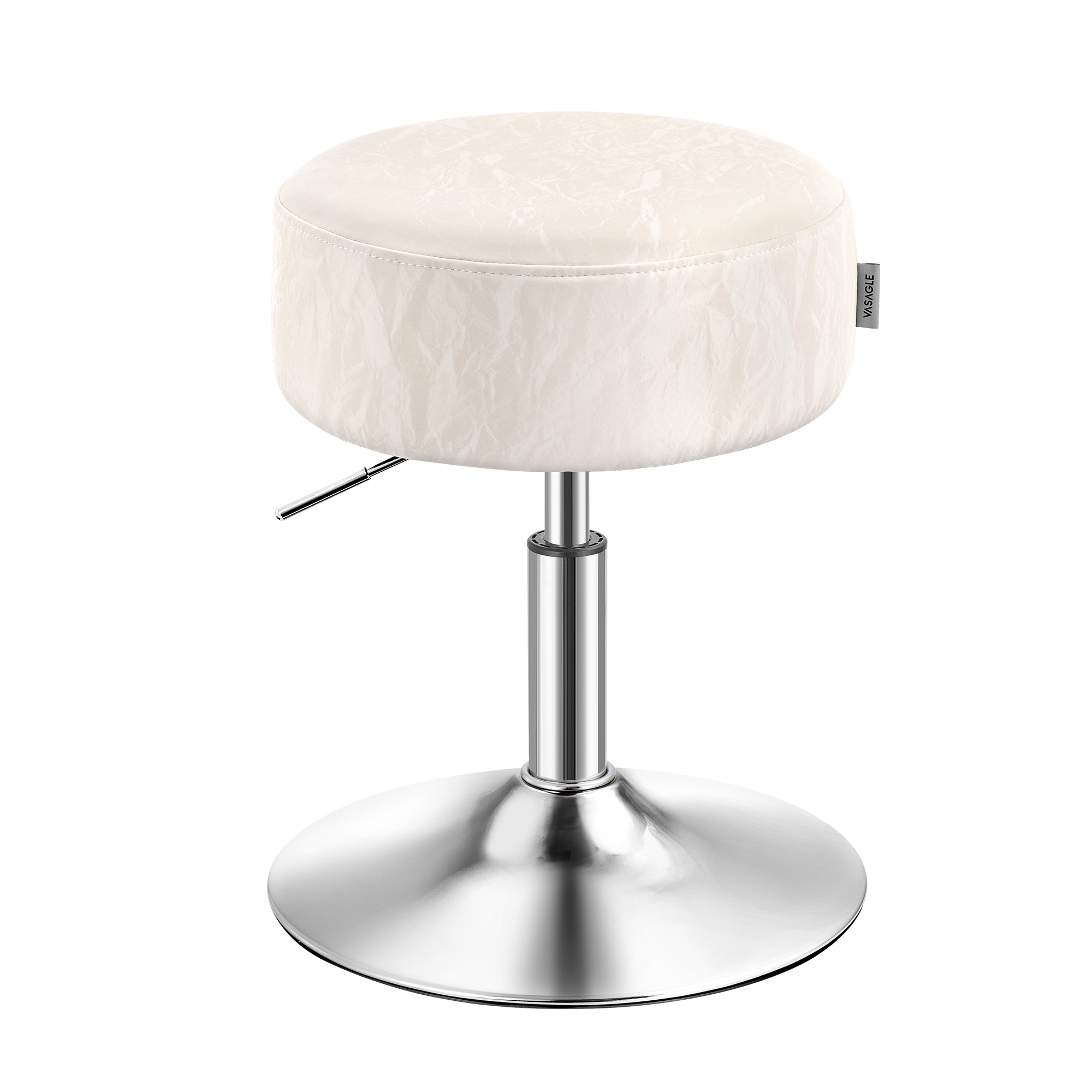
Let’s get precise. A good bar stool is a balance of frame strength, cover durability, and stable geometry. If you buy wholesale bar stools for cafés or bars, this matters even more. Many teams rush to style, then to price, and only later to test reports—then headaches come. For modern leather bar stools wholesale, the real test sits in usage data. One chain ordered 120 units; by week eight, 14 came back wobbly. That is almost 12% return rate. The cause? Loose fasteners, low foam density, and a thin powder coating that chipped at the footrest. In simple terms, the spec did not match the duty cycle. We can’t let that happen, kan.
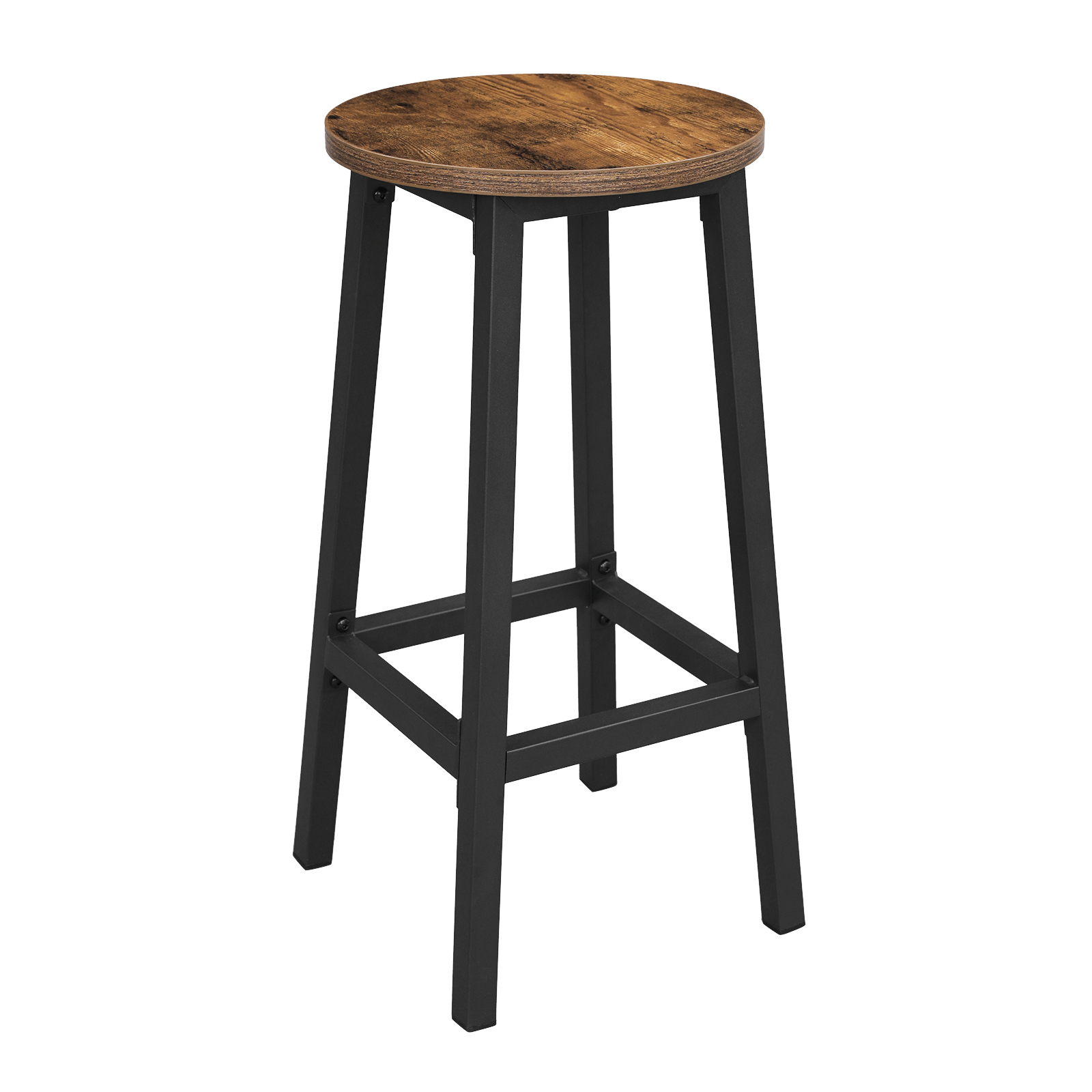
Industry audits show similar issues across first orders: weak welds, poor torque on screws, and PU leather under 30,000 Martindale cycles. These are preventable with clear thresholds: load rating to 150 kg, torque testing to spec, and finish checks like salt spray hours. The numbers help, but the flow matters too—packaging, carton drop test, and QC sampling (AQL) must be in place. So, what can you do to choose smarter, save cost, and keep guests happy—without overbuilding? We start by comparing the usual way with a better, more data-led path. Onward to the deeper layer.
The Deeper Layer: Why the “Standard” Route Breaks Down
Where do the real costs hide?
The common path looks simple: pick a style, confirm MOQ, negotiate, ship. Look, it’s simpler than you think—until service tickets pile up. The hidden pain points lurk in tolerance and consistency. One batch passes, the next batch squeaks. Why? Fasteners not torqued to spec, foam density below 35 kg/m³, and gas lift cylinder not rated Class 3. You get cosmetic perfection, but the core fails first—funny how that works, right? And when the footrest paint scuffs in week two, guests notice. That leads to a slow bleed: replacement, refunds, poor reviews. Small gaps in process create big gaps in lifetime value.
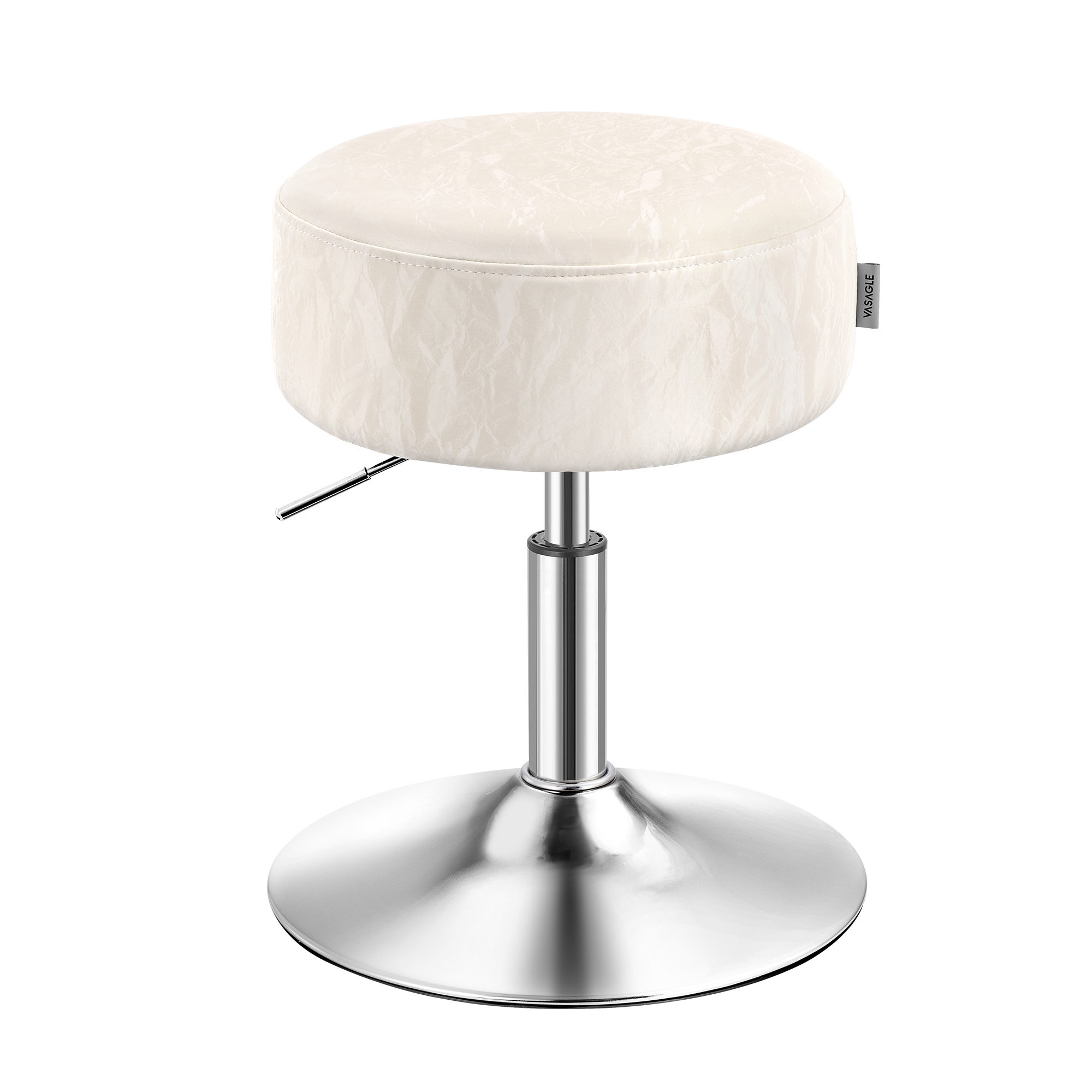
Then there’s the catalog trap. A pretty render hides weld overlap, leg spread, or seat pan thickness. If the frame lacks bracing or MIG weld penetration, it will flex. Add low Martindale abrasion on PU leather, and seams open after a few months. Even packaging can betray you; without a 10-drop ISTA-style test, bent frames are common on arrival. These are not “nice-to-have” checks. They are the line between a stool that lasts and one that does not. The fix is not drama, lah. It is a checklist of simple controls, done the same way every time—and you will feel it from day one.
Comparative Insight: Smarter Specs, New Tools, and Clear Metrics
What’s Next
Here’s the shift. Old sourcing trusts photos and a COA. The new way compares processes and proof. Leading bar stool manufacturers now run CNC tube bending for consistent legs, robotic MIG welding for deeper penetration, and SPC charts on torque values at assembly. Frames are modeled with basic FEA to spot weak joints. Upholstery moves to PU with 50,000+ Martindale cycles and tighter seam allowances. Finish lines use e-coat plus powder coating for better chip resistance at the footrest ring. Each control is small. Together, they cut early failures. And yes, you can compare these steps side by side—process-to-process, not just stool-to-stool.
So, how do you choose with confidence and keep the vibe steady? Use three simple metrics. 1) Structure: 150 kg static load rating, 20,000-cycle swivel or rock test, and weld macro photos on file. 2) Upholstery: PU or leather with ≥50,000 Martindale, foam density ≥35 kg/m³, colorfastness ≥4. 3) Finish and hardware: e-coat + powder coat with ≥240h salt spray, corrosion-proof fasteners, and torque specs logged per station. When suppliers meet these marks—and package to pass a 10-drop carton test—you reduce claims, returns, and rebuys. It feels more strict, but it is actually calmer for your team—less firefighting, more growth. In the end, we aim for steady stock, steady reviews, steady cash. Simple, cukup. Shared here for your next buy, from one operator to another: SONGMICS HOME B2B.