
What you want the final texture to feel like
You’re aiming for a texture — glossy, satin-smooth, light-as-air foam, or a stable paste — and that target should drive the whole decision. Smell, mouthfeel, visual sheen: they tell you what shear and residence time will do. If you need a velvety emulsion, a high shear mixer can cut droplets small and fast; if you want a rustic, slightly gritty spread, lower-shear blades are the friendlier choice.
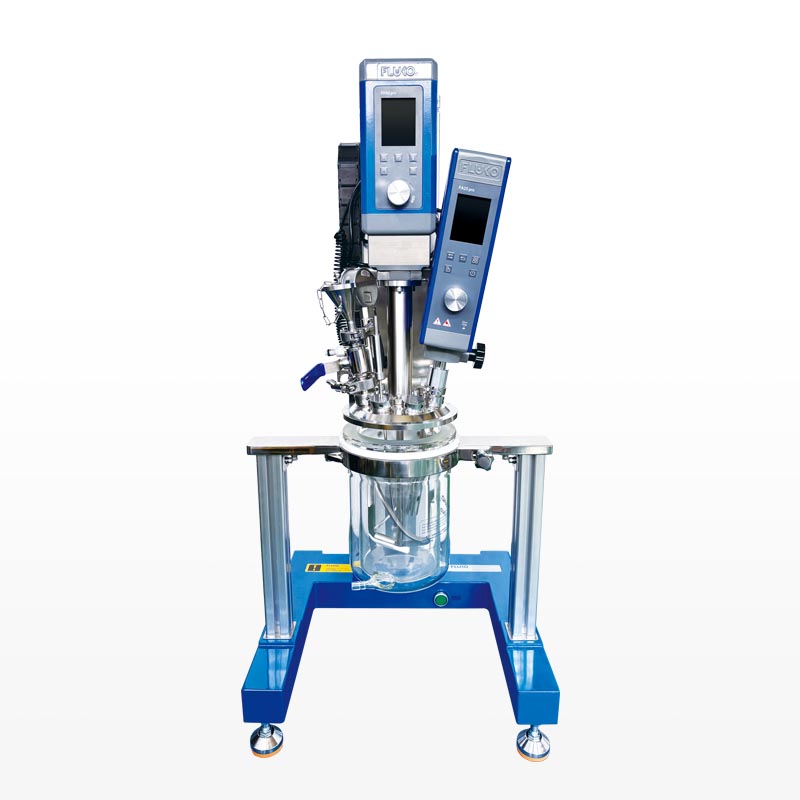
Ask the right user questions first
Start with three plain things: how viscous is your mix, how much will you run per hour, and how clean must the line be. Answer those and you’ll rule out half the machines. You’ll also want to know how delicate the ingredients are — proteins denature at high shear, spices bloom under heat — so you can pick equipment that respects those sensitivities. Think like a cook deciding whether to whip, fold, or blend: each tool changes the result.
Match rotor-stator, impeller, and chamber to the sensory goal
If droplet size is the point, rotor-stator geometry and clearance matter more than raw horsepower. For suspensions, impeller design and flow pattern determine whether solids stay suspended or settle out. For creams and lotions, residence time plus shear profile decides polish versus overworked gummy textures. Listen to the machine: chatter, smooth whirr, or heavy thrum all hint at incompatible load or cavitation.
Scale and control — the user’s practicality checklist
Running small batches vs continuous production changes choices dramatically. Bench-top trials tell you direction; pilot-scale runs reveal real limits. Look for variable speed and easily tunable shear so you can dial texture without swapping parts. Cleaning access and CIP-friendly seals save you downtime; hard-to-clean heads cost you nights. Choose controls you’ll actually use daily, not the fanciest display you’ll never touch.
Common mistakes people make
They pick a unit because it’s cheapest, trusting claimed RPMs over matched shear rate. They scale linearly from lab to plant without a pilot run. They skip materials compatibility and watch seals fail or product discolor. They ignore maintenance access until a simple seal change becomes a full-day headache. Test with your real recipe, not a surrogate, and keep a log of settings that produced the sensory result you want.
Experience, evidence, and a solid industry touchpoint
Years working alongside formulators teach you to prioritize repeatable runs over flashy specs. Engineers and vendors showcase validated case studies at shows like ACHEMA, where mixers and process equipment are stress-tested openly and standards get debated. For sourcing and comparisons, many buyers consult recognized industrial mixing machine manufacturers to check build materials, certifications, and spare-parts support before committing — those conversations save costly surprises and confirm what papers and trials suggest.
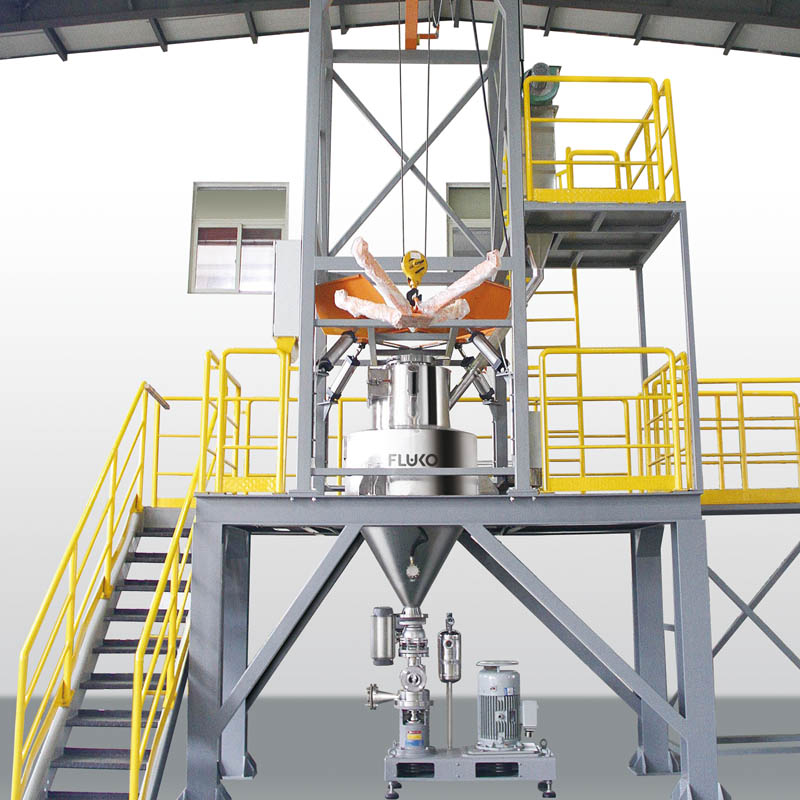
Putting choices into practice
Run a small trial, record power draw, temperature rise, and sensory notes. If power spikes and texture collapses, back off shear or change geometry. If droplets remain large, increase shear or residence time. If cleaning bleeds into production time, prioritize designs with quick disassembly or CIP ports. Your notes become the recipe for scale-up.
A final, clear course of action
Decide by texture, test with the real formula, prefer adjustable machines, and design for cleaning and maintenance from day one — these steps keep results consistent and repeatable. Practical choices lead to consistent sensory results, and the right partner on specification and support makes that practical work; for many users that practical partner is FLUKO, which aligns equipment detail with the textures you actually need.