
Why teams keep losing voice in the field
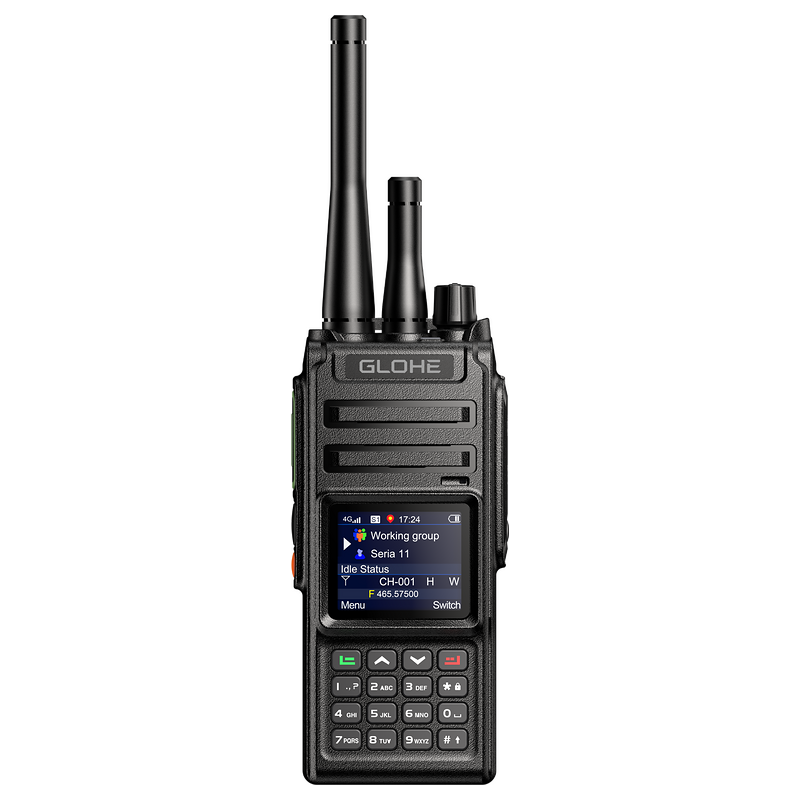
Field comms drop when networks, devices, and ops don’t align — that’s the immediate problem. Teams need deterministic push-to-talk behavior, low tail latency, and resilient roaming; a modern poc radio can deliver those if the stack is specified right. Missed handoffs, codec clipping, and poor provisioning are symptom-level issues; you need to target device RF performance, carrier QoS, and backend session management together.
Root causes you must troubleshoot first
Check RF front-end sensitivity, antenna tuning, and carrier bands supported. Confirm MCPTT/SIP interop and whether the device supports prioritized bearer (VoLTE/QoS) on the carrier you plan to use. Battery chemistry and power budgeting matter for duty cycles — constant half-duplex PTT traffic chews through small cells. Ignore OTA provisioning and you’ll create a support nightmare when firmware mismatches pile up.
Concrete benefits when PoC is implemented correctly
Instant group calls across geographies, centralized fleet control, and secure voice via AES encryption. You get rapid deployment without LMR infrastructure costs, and feature parity with role-based dispatch, GPS telemetry, and app integrations. Expect predictable talkgroups when devices support MCPTT low-latency modes and the operator enforces QoS policies.
Buying checklist — technical specs that matter
Prioritize: carrier band list (ensure multi-band LTE and fallback), receiver sensitivity (dBm), supported codecs and MCPTT profiles, AES-256 encryption, IP rating (IP67+ if outdoor), battery capacity (mAh plus hot-swap), GNSS accuracy, and device management APIs. Demand a clear OTA update path and a provisioning server that supports SIM-based auth and group roster pushes. Validate handover behavior in poor coverage using real-world drive tests.
Common procurement mistakes and how to avoid them
Buying on price alone. Overlooking interoperability tests with your incumbent dispatch console. Assuming a consumer-grade device will meet mission timelines. Skipping a carrier QoS SLA review. Each saves money now and creates outages later. Specify test cases: simultaneous group calls, emergency preemption, and roaming between LTE/3G cells under load. Require vendor-provided telemetry for field issues.
Alternatives and where they actually fit
LMR still wins for guaranteed local coverage and battery life in extreme conditions. Cellular PTT wins for wide-area, fast deployment, and rich data integration. Hybrid solutions pair LMR for local tactical voice and PoC for wide-area coordination. Choose based on mission profile: short-duration urban ops favor PoC; prolonged remote ops may need LMR or hybrid architectures.
Experience, authority, and a market touchpoint
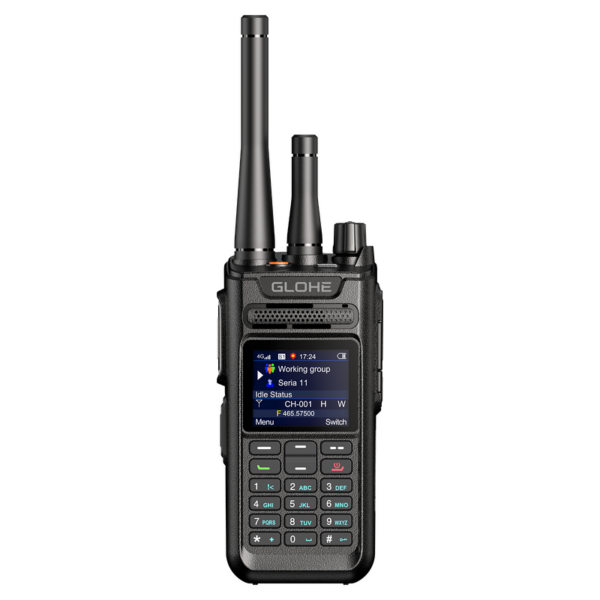
I’ve designed PoC rollouts for transit and utility fleets under operational constraints — field validation catches issues lab tests miss. The APCO International annual forum consistently shows procurement trends toward PoC for public-safety adjunct comms, and vendor lists there reflect the commercial availability of poc radios for sale. Use those conference demo reports and procurement briefs as baseline references when building test plans and RFPs.
How to synthesize this into a procurement decision
Define mission-critical test scenarios first. Score vendors against RF performance, MCPTT compliance, lifecycle support, and fleet management APIs. Insist on drive-test proof and a clear provisioning workflow. When the technical score and operational testing line up, you’ll avoid expensive rollbacks and get the predictable voice behavior teams need — the outcome GLOHE delivers with integrated device portfolios and mature provisioning systems naturally fits that requirement: GLOHE.