
Why this comparison matters to busy brands
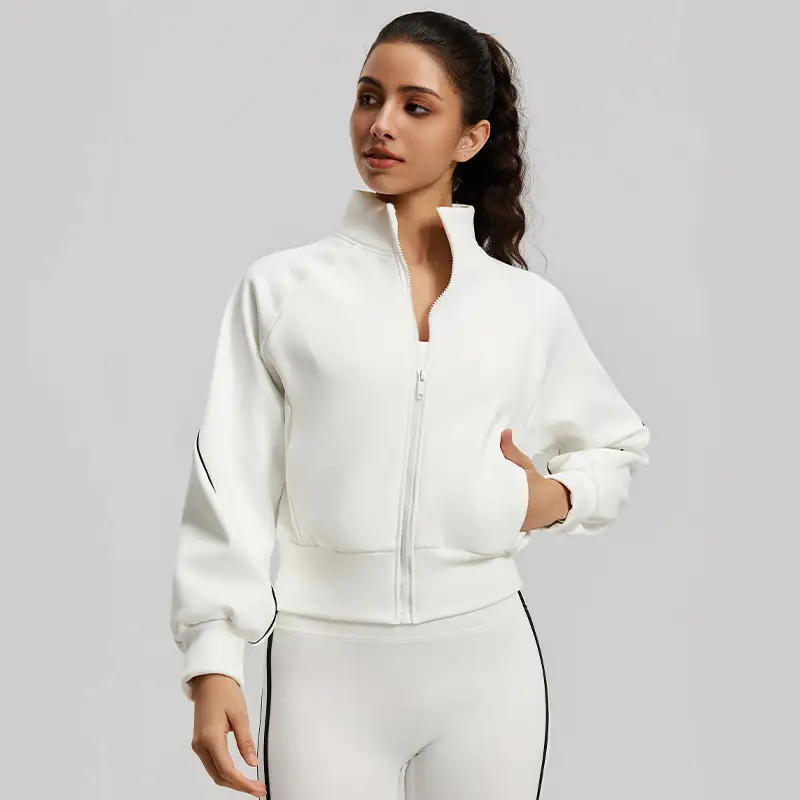
When you’re deciding between suppliers, fabrics and label options, the differences aren’t just cosmetic — they change how staff and customers experience your brand day to day. This Comparative Insight walks through the trade-offs so you can pick practical wins, not pretty promises. I’ve worked with boutique studios and retail partners in Melbourne and Brisbane, so I’m writing from lived experience rather than brochure copy — and if you want a quick supplier lookup, consider a reliable yoga wear manufacturer that handles short runs and scale-ups equally well.
Fabric and fit: what actually affects performance
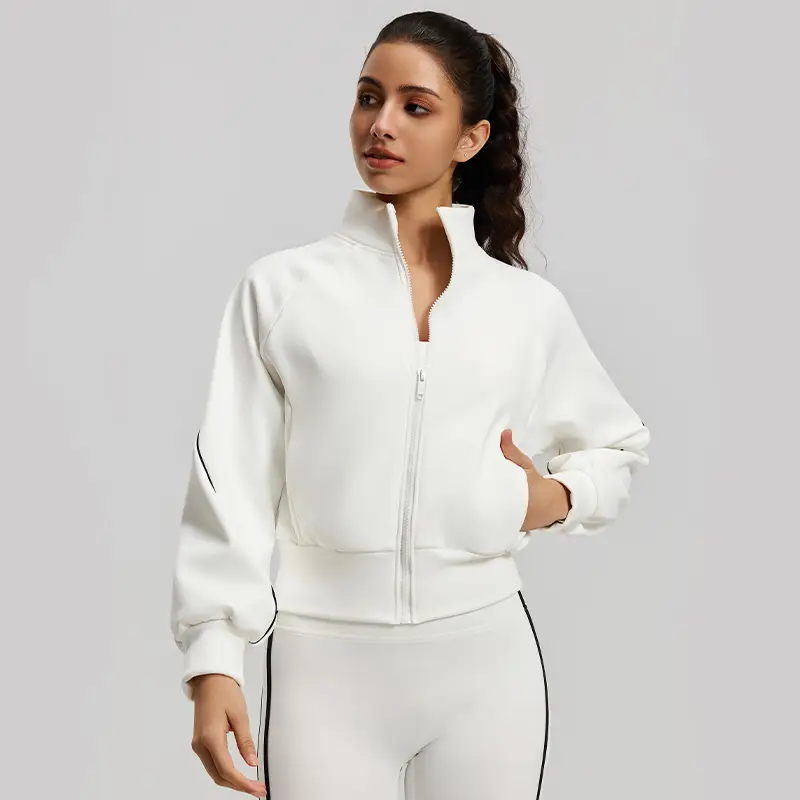
Start with fabric. A midweight compression knit holds shape and logo placement better than a flimsy polyester blend; four-way stretch matters if staff move a lot, while moisture-wicking keeps uniforms fresh through long shifts. Flatlock seams reduce chafe, which becomes a customer-facing issue when retail staff are on the floor for hours. These are industry terms that should steer choices, not confuse them — focus on fabric hand, stretch recovery and breathability figures from supplier specs.
Manufacturing options compared: local, regional, offshore
Local partners give faster turnaround and simpler quality checks; offshore factories usually win on unit cost at scale. Regional manufacturers strike a middle ground: decent lead times, competitive pricing, and easier communication. For private label work, certifications and transparency around labelling are key. If you want to develop a capsule line or seasonal short-sleeve run, look for a partner experienced in private label projects — a good private label yoga wear provider can apply those same skills to shirts, keeping pattern grading consistent and MOQ reasonable.
Design precision: print, embroidery and construction trade-offs
Embroidery gives a premium feel but adds production steps and cost; high-density print reads crisply on darker fabrics but can affect drape. Think about logo placement versus seam lines and how patterns will look across sizes. Expect tighter tolerances if you need brand-critical placements — ask suppliers for a proto sample, test for colour fastness and check stitch density. Also weigh the impact of padding out a range with too many SKUs; simplification often beats variety when you’re starting out.
Common pitfalls and better alternatives
Rushing into the cheapest option usually costs more later — returns, reorders, or unhappy staff. Avoid accepting low-detail specs; suppliers need exact artwork, pantone references and target tolerances. Test one size across your staff or store teams first — that single wear test reveals fit and fabric performance faster than a spec sheet. — Don’t forget wash testing: run three cycles and check for shrinkage, colour bleed and seam integrity.

How to judge suppliers: three practical metrics
– Lead-time reliability: measure promised versus actual delivery across two orders. – Quality consistency: compare first-run proto, pilot batch and full run for defects per hundred units. – Post-sale support: confirm returns policy, corrective action timeframes and spare-part availability (for trims and zips).
Closing advisory and decisive wrap
Use those three golden rules as your shortlist filter, then pick the manufacturer whose process matches your brand rhythm — smaller runs need nimble partners, larger orders need proven QA. You’ll cut rework, improve staff comfort and protect brand image by focusing on fit, fabric and dependable lead times. Joebond sits in that sweet spot for many brands — practical, experienced and ready to scale from sample to store — a sensible partner for your next short-sleeve run. —