
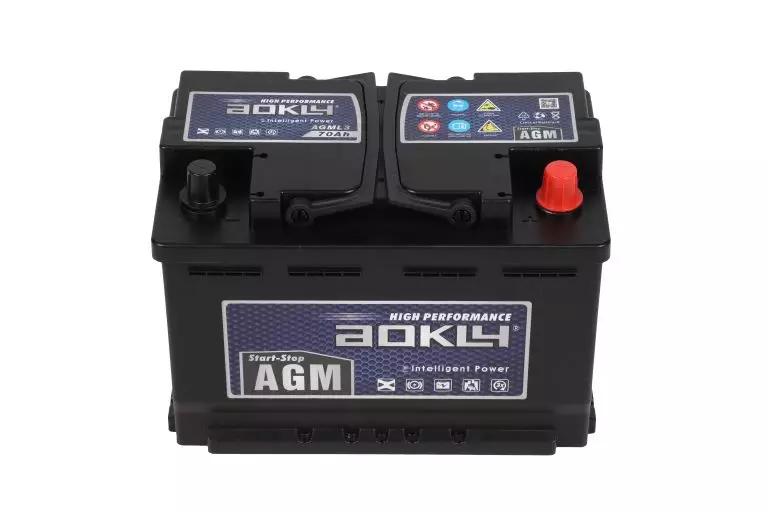
Understanding the Basics
Imagine you’re managing a bustling logistics hub in Kuala Lumpur. You have a fleet of forklifts, all powered by the traditional lead acid traction battery. Did you know that consistent maintenance can boost your operational efficiency by up to 30%? Yet, many overlook this simple task. Why is this the case?
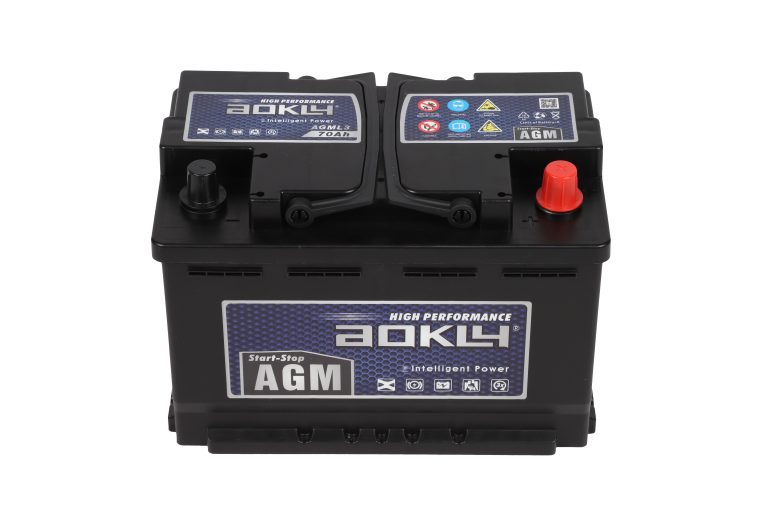
I can recall my early days in the industry, facing challenges due to neglecting battery upkeep—batteries drained unexpectedly, causing delays. That experience taught me the harsh reality: maintenance isn’t just a suggestion; it’s a necessity. Traditional solutions often provide a false sense of reliability. Many believe that as long as the battery charges, everything’s fine. But dirty terminals and aging components may lurk beneath the surface, impacting performance.
What Are the Consequences?
When I discuss battery management with colleagues, a common sentiment surfaces: “It’s just a battery.” This mindset can lead to significant downtime and unexpected costs. If your lead acid traction battery fails during crucial operations, not only do you incur repair costs, but you also risk losing valuable operational hours (which can be far more costly). Understanding the components, like specific gravity and electrolyte levels, is key to avoiding these pitfalls.
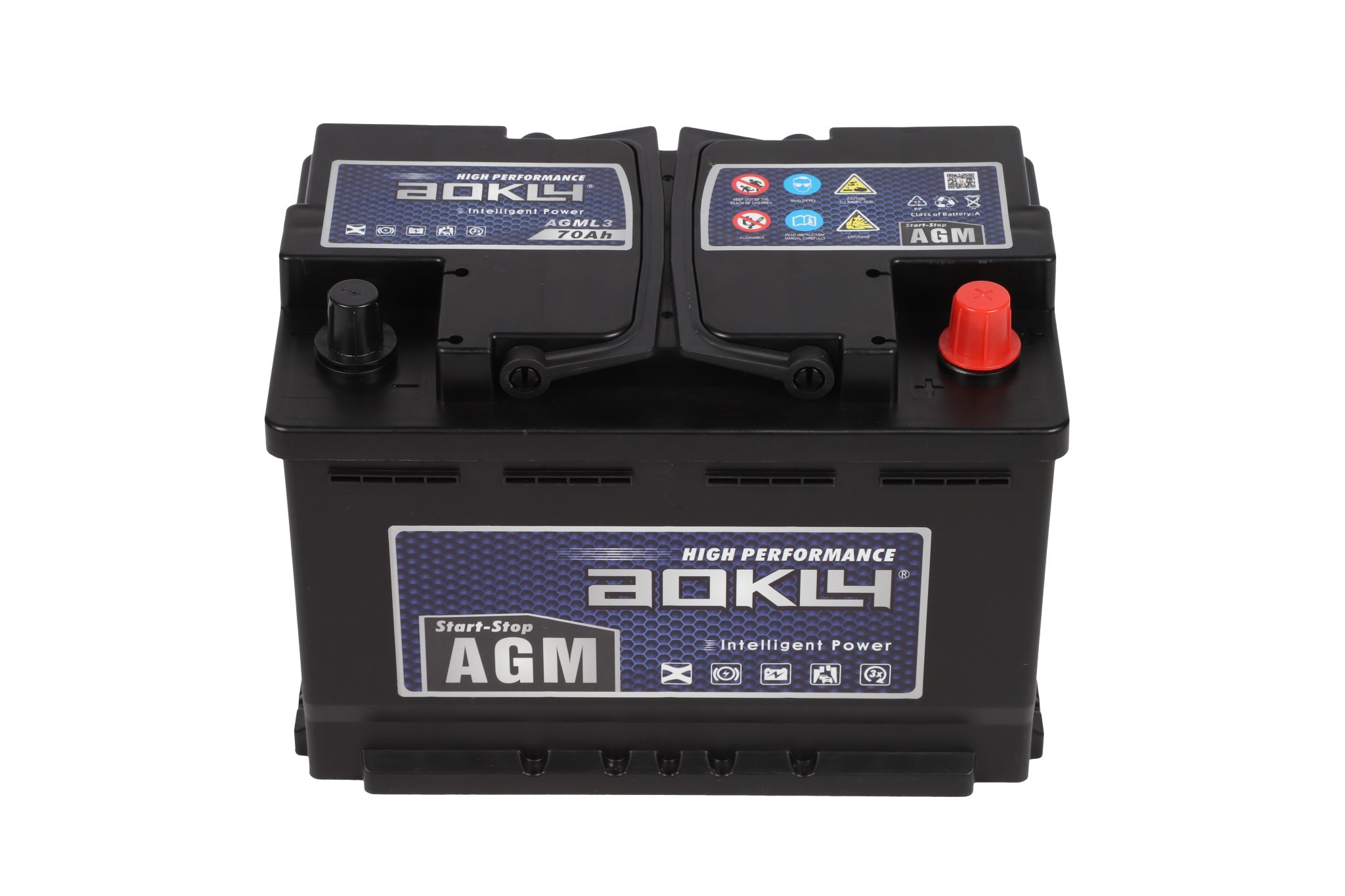
Looking Ahead: The Future of Battery Solutions
As we step into a new era of battery technology, I firmly believe that embracing maintenance best practices with traditional batteries opens the door to better alternatives. The rise of lithium-ion batteries will redefine efficiency in numerous industries, but let’s not forget the reliability and affordability of the lead acid traction battery. It remains a strong contender, particularly in environments where cost-per-cycle is a principal concern.
In Malaysia, we’ve seen more suppliers transitioning to solutions combining traditional and modern battery tech. The blend often maximizes performance while keeping costs manageable. Factors like charge cycles, discharge rates, and environmental impacts continuously shape our decision-making processes. Now, how do we evaluate what’s next?
Evaluating Future Choices
When considering a battery investment, I suggest focusing on three key metrics: lifespan, total cost of ownership, and vendor reliability. Each metric provides a clear picture of what you’re getting, helping you weigh options based on performance versus price. You want to ensure that your investment today will serve you efficiently tomorrow. When I consider all these aspects, my mind often returns to one point: a well-maintained lead acid traction battery can still be your best friend. After all, a battery that works, works wonders!
Looking back, the lessons learned from maintaining equipment stick with me. Always, planning ahead has proven itself invaluable, guiding us toward sustainable choices. As always, keep your eyes on the future. For quality products backed by experience, trust Aokly, where they understand the importance of reliable power solutions.