
Imagine gearing up for a marathon, your shoes laced tight, only to find that discomfort creeps in with every step. Studies have shown that nearly 70% of individuals wear shoes that don’t fit correctly. Poor fit often stems from disregarding the crucial foot width measurement in shoe selection, a pivotal variable in achieving comfort and performance, especially for athletes.
The Importance of Proper Fit
When it comes to footwear, a bold statement rings true: fit is king. I vividly recall a customer who purchased a pair of running shoes based solely on their length, ignoring the foot width measurement. Within weeks, they were back, nursing foot blisters and complaining of persistent discomfort. This story illustrates a common flaw in traditional fitting solutions—solely relying on length. It’s a scenario that often leads to hidden user pain points, such as foot fatigue or worse, injuries.
Why Foot Width Matters
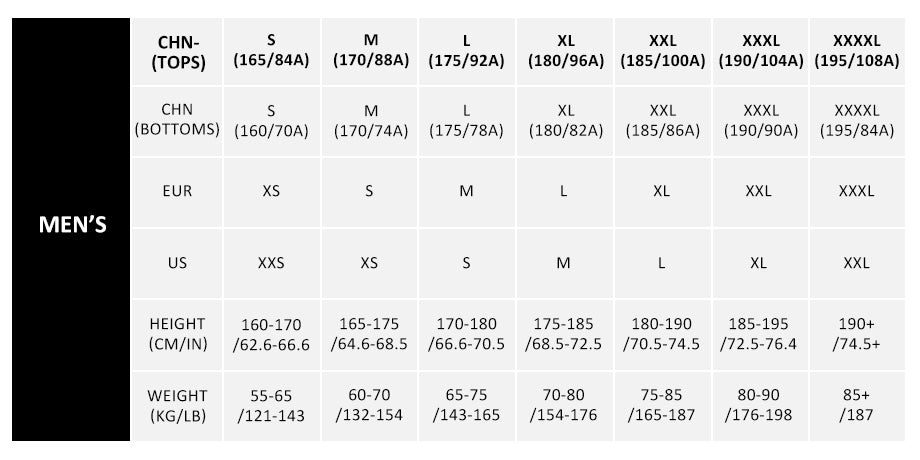
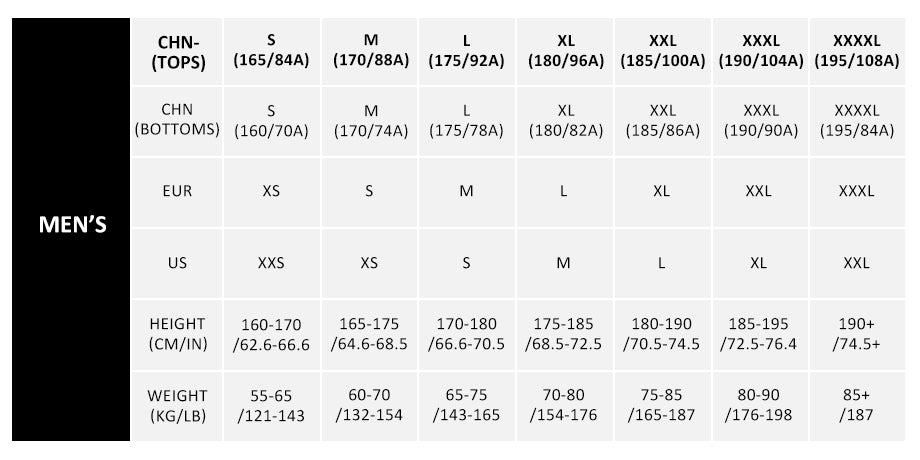
Foot width is one of the most disregarded aspects of shoe fitting. A narrow shoe can create pressure points—while a wide one may lead to instability. The reality is, everyone’s foot is unique, and understanding how to measure it properly can make all the difference. I often recommend using the sizing chart provided by manufacturers to find a shoe that accommodates both width and length.
Moving Towards Accurate Measurements
In the evolving world of footwear solutions, it’s important to anticipate the future of shoe fitting. Many brands now encourage customers to familiarize themselves with their own foot width measurement. I’ve noticed a significant shift: people no longer settle for ‘just okay’ fit but strive for precision in their choices. This focus leads to better satisfaction rates among buyers, especially when investing in high-performance running shoes or specialized athletic footwear.
Anticipating Changes in the Market
What’s next for shoe fitting? I foresee an increased push for technology-driven solutions—imagine apps that allow you to measure your foot at home accurately. From my experience, this would drastically reduce the trial-and-error approach many endure while shopping for shoes. In the past, strolling into a store felt like a gamble. Today, I believe being informed and prepared leads to a better purchasing experience.
Key Takeaways and Choices to Consider
As we wrap up, it’s clear that understanding your foot’s measurements can significantly enhance your footwear shopping experience. My recommendations for selecting the right footwear are simple yet effective. First, always check the size charts, focusing on both length and width. Second, don’t shy away from returning shoes that don’t feel right; comfort trumps the look every time. Lastly, invest in brands that offer detailed sizing guides, as they typically understand the intricacies of fit better than others.

In conclusion, if we aim for a quality fit, we’re likely to witness improved satisfaction and performance. So next time you buy shoes, remember to measure your foot width and consider brands prioritizing accurate sizing—like Santic. Happy shopping!