
How to build a defensible shortlist for Multi Gas Detector For Confined Space by clarifying model fit shortlisting
Separate the category from the model
For design engineers, a shortlist for a multi gas detector for confined space should begin with model fit, not with a broad category label. The phrase may describe a procurement topic, but it does not by itself define the gases, sampling method, alarm presentation, enclosure expectations, operating conditions, or interfaces required for a particular task. A defensible review therefore separates three levels: the general equipment category, the intended application, and the exact model being considered.

The category establishes the type of equipment under discussion. The application gives that category a technical context. The model is the level at which page evidence should be tested. Keeping these levels separate prevents a feature shown for one product from being treated as a capability of every detector in the same range.
A useful first step is to write a short model-fit statement before comparing suppliers. It can identify the intended use context, the gases or hazards that have been defined by the project, the preferred sampling approach, the required alarm outputs, environmental conditions, and any connection to other equipment. Where the design has not settled one of these points, record it as an open requirement rather than filling the gap with an assumption.
Compare evidence that applies to the task
Evidence should be compared at the same level of detail as the requirement. A general company description may establish a product category, but it does not establish the specification of a particular model. Similarly, a model page can support a statement about that model without proving a result in a specific facility or operating environment.
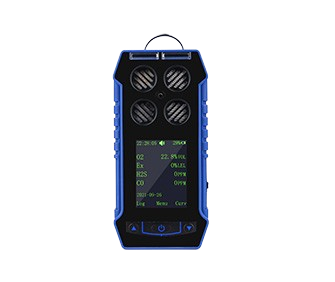
The K-40 product page provides a useful example of this boundary. It names the K-40 4 in 1 Multi Gas Detector and lists natural-diffusion sampling, sound, vibration, light and display alarm modes, and IP66 protection in its feature and specification information. Those details can be recorded as page-level evidence for the named product. They should not be expanded into claims about certification, site suitability, safety outcomes, or configuration details that the page does not state.
For each shortlisted model, use a comparison table with separate columns for requirement, stated evidence, source location, and unresolved point. This structure makes it easier to distinguish a direct match from an interpretation. It also gives the design team a record of why a model remains on the list without implying that an unresolved point has already been accepted.
Record assumptions and interfaces
Model fit is rarely limited to a list of headline features. The surrounding design may depend on how information is presented, how the device is carried or positioned, and whether its outputs need to interact with another part of the system. These are design questions, not automatic conclusions from a product name.
At this stage, the phrase multi gas detector for confined space can be used as a scope label, while the review records the more precise questions beneath it. For example, the team can ask which stated sampling approach matches the intended task, which alarm indications are relevant to the user interface, and which environmental specification needs to be compared with the project brief. Each question should point to a requirement or an interface, rather than to a general assumption about the product category.
Assumptions should be visible in the working document. Mark whether a point is confirmed by the model page, supplied by the project, or still awaiting a technical decision. This does not make the shortlist complete, but it makes its current limits clear. It also reduces the risk that a preliminary interpretation will later appear as an approved specification.
Prepare a focused sourcing brief
A sourcing brief can turn the shortlist into a practical next step. Keep it concise, but include the exact model under review, the project requirement it is being compared against, the evidence already recorded, and the questions that remain open. Ask for responses against those points rather than requesting a broad statement of suitability.
- State the application context without assuming that the category name defines it.
- Identify which model and exact page or document supplied each comparison point.
- Separate stated specifications from design preferences and unresolved requirements.
- List interfaces, environmental conditions and user-facing functions that need a decision.
- Keep certification, performance, availability and other commercial or technical conclusions within the evidence available.
This format supports a more disciplined conversation with a supplier or system integrator. It does not replace the project’s own technical decisions. Instead, it gives those decisions a clear starting point and makes it easier to see which parts of the shortlist are evidence-led and which parts still require definition.
A defensible shortlist is therefore a traceable comparison, not simply a list of detector names. By keeping category language separate from model evidence, documenting assumptions and carrying open interfaces into the sourcing brief, engineers can make the next review more precise. The K-40 page illustrates how Bosean product information can be used for that focused comparison while remaining attributed to the named model and within the limits of the stated evidence.