
Introduction: Defining the Stakes, Up Close
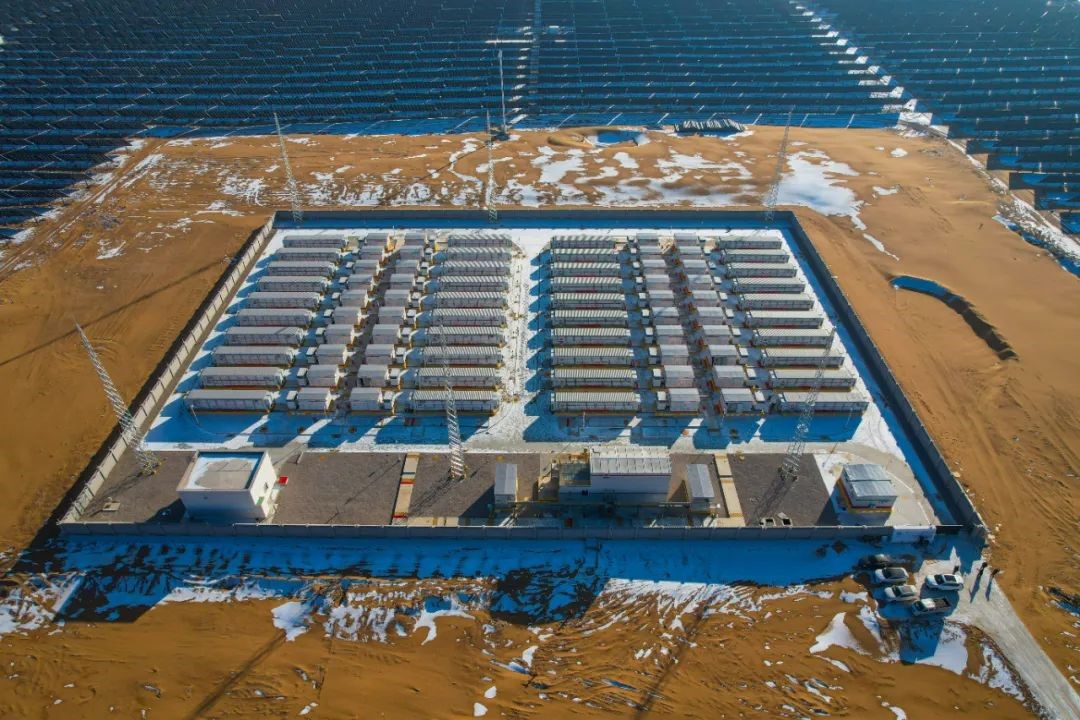
I start with a clear claim: storage is not a bolt-on, it is a grid participant with duties and failure modes. In the West, utility scale battery storage now sits at the pivot of peak demand and price volatility. Last August, CAISO logged more than 5 GW of storage on the evening ramp, and yet I watched a 100 MW site fall short by 14% because the dispatch setpoints and protection logic fought each other (yes, an avoidable control gap). The core concept is simple: batteries shift energy; the practice is messy, because state-of-charge, thermal limits, and grid codes pull in different directions. On a dusty Saturday in Kern County, 2022, I stood near a humming yard of power converters and a transformer running hot. The SCADA alarms were quiet; the losses hid in little delays and a tight ramp-rate band. If these gaps cost megawatt-hours today, what will rush-to-market risk cost tomorrow when obligations multiply? I ask that not to scare you, but to anchor the work ahead—evidence first, fixes next.
Where Traditional Fixes Falter on the Ground
Why do “proven” playbooks break?
I’ve integrated utility scale battery energy storage systems from Texas wind belts to California load pockets, and the same old shortcuts keep biting. Look, here’s the rub: we treat batteries like passive assets and then expect active, fast grid support. In July 2022, a 100 MW/400 MWh project near Bakersfield lost 18% of its evening discharge because the EMS applied a flat setpoint while the BMS throttled at 38°C rack inlet. The site met nameplate on paper, yet missed the 2-minute frequency response window due to a conservative ramp limiter in the inverter controls. A relay engineer signed off on NERC PRC checks, but nobody validated dynamic voltage support under a weak grid (X/R ratio was ugly). I winced—hard. The fix was not heroic: revise the inverter firmware, loosen the ramp limit, and add a predictive state-of-charge guard. Still, that came after eight peak days already billed short.
Old recipes also assume clean data. In the Texas Panhandle, March 2023, a line storm cut fiber, and the site’s dispatch swung to a stale schedule. With no edge computing nodes on site, the plant could not re-optimize in real time. Result: 11% extra cycling, faster capacity fade, and two modules tripped by a fussy temperature sensor. We patched the EMS, moved some logic onsite, and tuned cell balancing overnight at 3:40 a.m.—the control room smelled like hot dust and coffee. These hidden penalties aren’t glamorous, but they set your cost curve for years. They also show why classic “set it and forget it” monitoring fails once you ask for black start support or sub‑second response.
Comparative Moves That Actually Reduce Risk
What’s Next
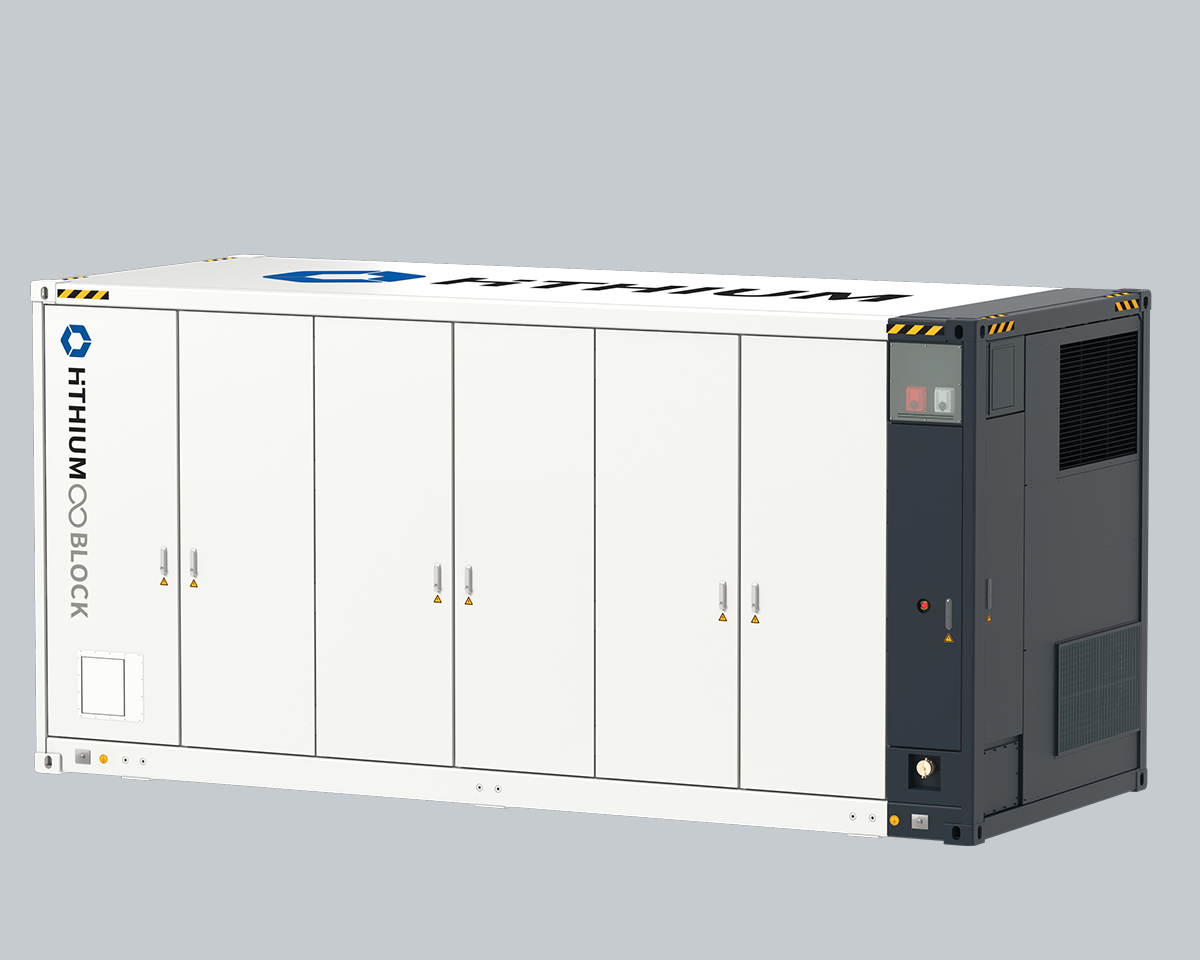
Here’s where the comparison matters. First, grid-forming inverters change the game by holding voltage and frequency instead of chasing them. That reduces nuisance trips and buys headroom for fast events. Second, modular power converters paired with liquid-cooled packs let you segment faults and keep partial output online. Third, local brains matter: put optimization closer to the asset with hardened edge computing nodes, then sync summaries to the cloud. Digital twins tied to your EMS can forecast thermal stress and state-of-charge hours ahead, not minutes. When we rebuilt a 75 MW system in Riverside County in 2024, these moves raised peak-hour delivery by 9% and cut reactive power penalties by half—small changes, big cash. If you ask me which lever pays first, I pick predictive control every time. And yes, I wrote that on the back of a substation one-line—because the proof sat in the meters.
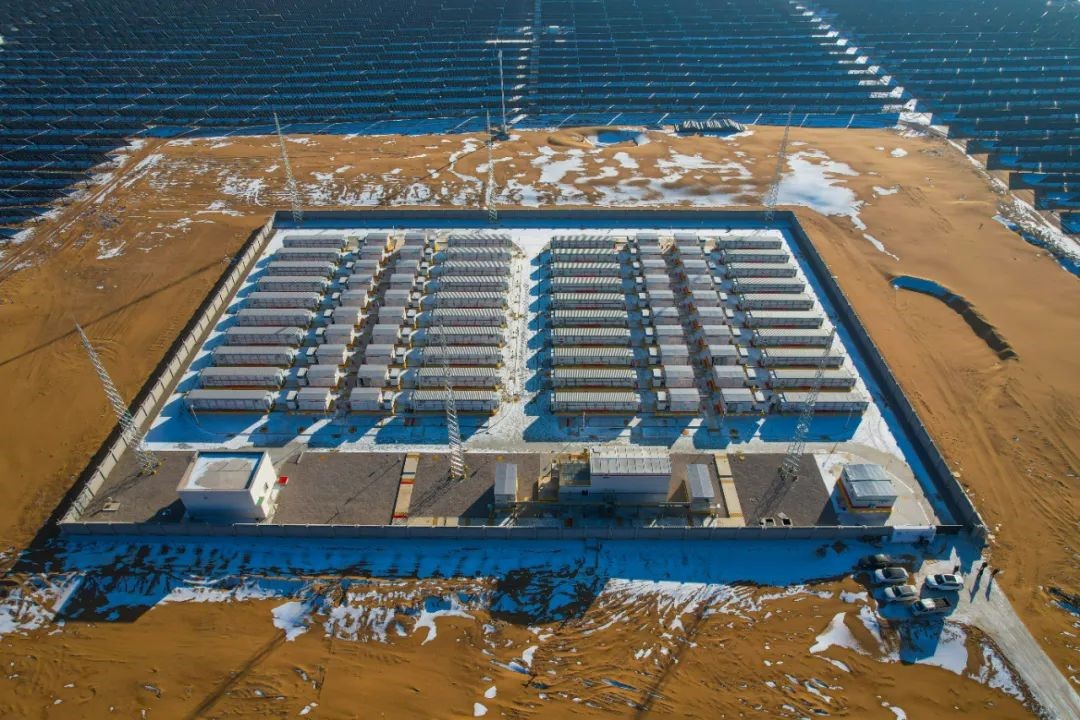
For teams weighing upgrades or new builds, apply the same lens to utility scale battery energy storage systems specs and field behavior. My closing advice is simple and testable. One: demand verified grid-forming performance on a weak bus, with documented fault ride-through at your site’s short-circuit ratio. Two: score the thermal envelope under worst ambient (45°C asphalt, no shade) and insist on C‑rate at temperature, not in a lab. Three: measure cost as dollars per delivered MWh over 10 years, including augmentation, spares, and forced outage hours—95% availability should be a floor, not a pitch. We earn our margins in the quiet hours before the peak, when logs are clean and limits are clear. I’ve learned that the safest plants are the ones that tell the truth in their data, even when it stings. If you want a place to start a vendor review without the fluff, I keep a short list and a longer memory—both open to scrutiny. HiTHIUM