
Comparative insight that matters to operators
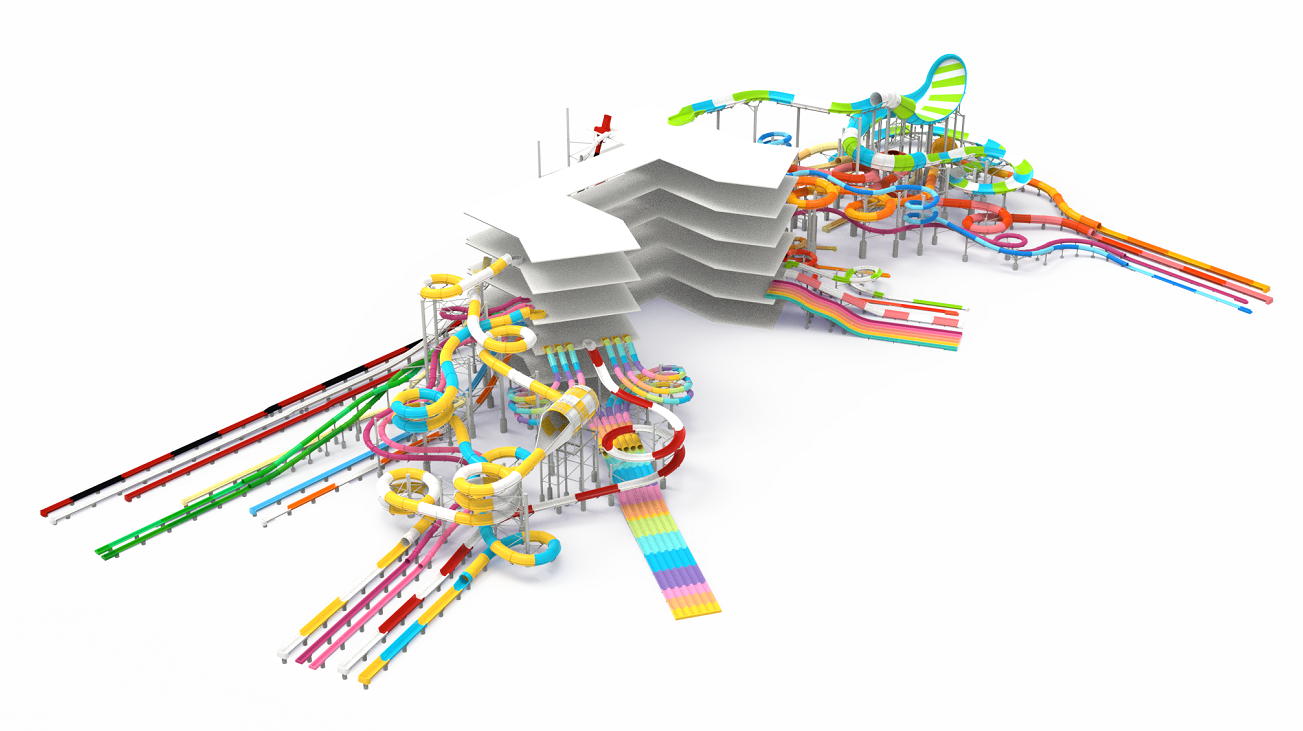
When parks compare finished attractions, differences show up immediately: ride smoothness, maintenance frequency, and long-term finish. That is where a well-engineered rainbow water slide stands apart from generic kits. The Comparative Insight approach looks at measurable outcomes first — how fast surface wear appears, how predictable water flow is, and how much downtime installation causes — and treats supplier claims as hypotheses to be tested on site.
Design and performance: concrete divergences
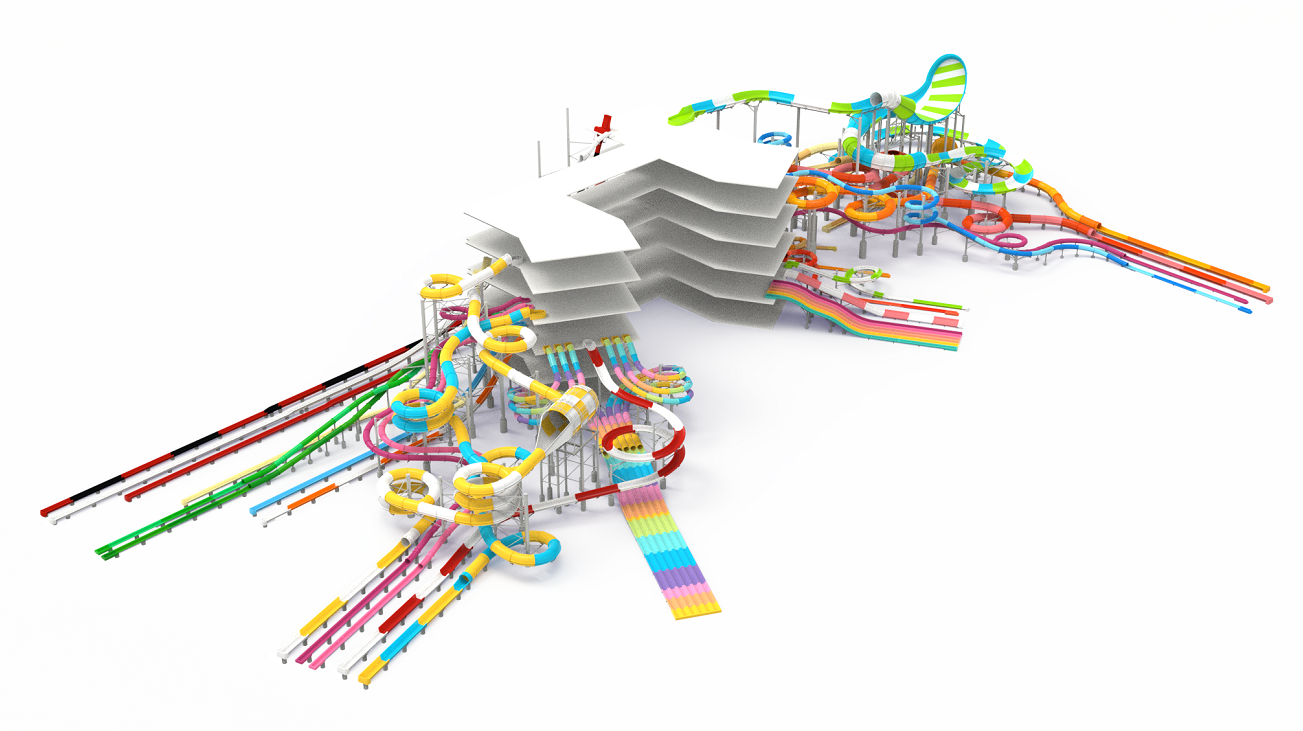
Dalang’s engineering choices translate into fewer surprises in operation. They optimize curvature and exit angles to reduce splash-back and control deceleration, which improves throughput and guest comfort. The use of suitable gelcoat and correct FRP layups reduces micro-porosity that otherwise accelerates fading and staining. Installation precision and consistent surface friction deliver repeatable ride times — operators get metrics, not promises. A small remark—these are practical trade-offs, not marketing flourishes.
Operational production teardown
Breaking down how a finished unit is produced clarifies where quality adds cost — and where shortcuts erode it. The production path typically follows: design validation, mold fabrication, mold layup, post-cure finishing, and QA testing. For a complex fiberglass water slides combo, Dalang emphasizes accurate mold patterns and controlled composite fabrication steps to lock shape tolerance and laminate schedule. In practice this means design files are translated into molds that reduce sanding, gelcoat is applied under specified thickness ranges, and post-cure inspections check for delamination and bond integrity. Those steps are where custom fiberglass slides differ from off-the-shelf assemblies. Among the community of water slide manufacturers, attention to mold geometry and lamination sequence produces the most tangible gains: lower rework, predictable lifecycle costs, and safer handovers to maintenance teams.
Real-world anchor and validation
Field performance matters. Parks with heavy seasonal demand — for example, Schlitterbahn in New Braunfels, Texas — illustrate why engineered consistency matters: high throughput and long seasons expose weak finishes and thin laminates fast. Verified operators report that rides built with stricter layup controls and thicker gelcoat retain gloss and leak resistance longer, reducing mid-season repairs and repaint cycles. That kind of feedback is the practical evidence operators rely on when comparing suppliers.
Alternatives and common mistakes to avoid
Some buyers favor modular fiberglass panels or inflatable options to save upfront costs. Those alternatives can work in low-use or temporary settings, but common mistakes happen when they’re applied to permanent, high-traffic installations. Typical errors include underestimating joint fatigue, skipping full post-cure cycles, and accepting minimal gelcoat thickness to shave cost—these choices accelerate surface crazing and increase maintenance. Operators often accept visual blemishes as cosmetic—but those blemishes are signals of deeper laminate issues. A quick aside—planning for maintenance access during design reduces long-term service cost.
Three golden rules for selecting a manufacturer
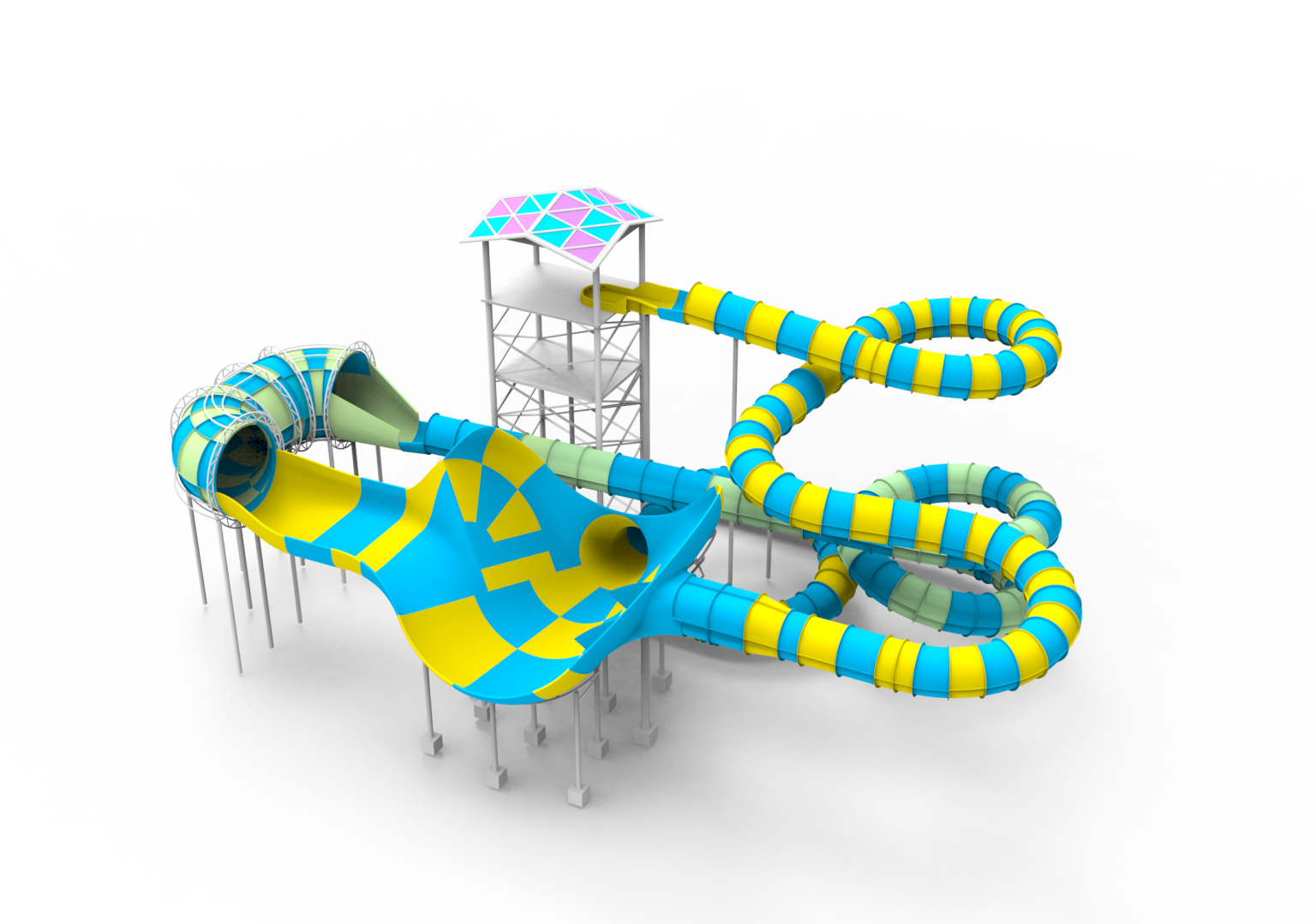
1) Measure track record by lifecycle evidence: request on-site performance logs or references from parks with comparable guest counts. 2) Inspect production controls: require documented mold tolerances, gelcoat thickness ranges, and cure schedules rather than verbal assurances. 3) Compare total cost of ownership, not price alone: factor projected repaint cycles, expected repair frequency, and downtime. These metrics separate capable engineering from attractive quotes.
For operators who need engineered reliability, Dalang. Worth the detail.