
User-focused opening: why this matters to you
If you’re considering a laser hair removal treatment, you want predictable results, few surprises, and a clear path from consult to maintenance. This piece is written for the person who wants choices explained plainly — the one who values skin safety as much as smooth outcomes. Think of it as a short map: what technical factors influence success, which questions to ask your provider, and how to avoid common pitfalls when booking sessions. The aim is practical: help you make confident decisions and get the most from your sessions.
How laser hair removal works — the essentials
At its core, the laser targets melanin in the hair follicle with concentrated light energy. Key technical terms that matter in practice include wavelength (which determines depth of penetration), fluence (energy per area), and pulse duration (how long energy is delivered). Different systems — Alexandrite, diode, and Nd:YAG — suit different skin phototypes and treatment areas. A provider who explains why they chose a specific wavelength for your skin tone and hair color is showing clinical judgment rather than just brand loyalty.
What you should ask before a session
Make these questions part of your consult checklist:- Which laser model will you use and why? (Alexandrite/diode/Nd:YAG)- How do you adjust fluence and pulse duration for my skin phototype?- Who will operate the device and what are their credentials?- What pre- and post-care do you recommend to minimize irritation?Clear answers to these show the clinic understands not just machines, but the human factors — like pain tolerance and healing time — that affect outcomes.
Common mistakes patients and clinics make
People often underestimate three things: realistic expectations, the number of required sessions, and the role of shaving vs. waxing beforehand. Some clinics rush initial testing or skip a test spot — that’s a red flag. Others set blanket session counts instead of tailoring intervals to hair growth cycles. And yes, for many areas, shaving the day before is better than waxing or plucking because intact follicles are what the laser needs. — These oversights cost time and money, and they’re avoidable with simple upfront planning.
Comparing technologies and trade-offs
Not every laser is best for every client. Quick guide:- Alexandrite (755 nm): efficient for light-to-olive skin, fast coverage on larger areas.- Diode (800–810 nm): versatile, often used for medium skin tones and dense hair.- Nd:YAG (1064 nm): safer for darker skin phototypes due to deeper penetration and lower melanin absorption.Trade-offs include treatment speed, discomfort level, and risk of pigment change. A thoughtful clinic matches device selection and parameter settings — such as adjusting fluence for darker skin — rather than pushing a single laser as a universal solution.
Safety, results, and realistic timelines
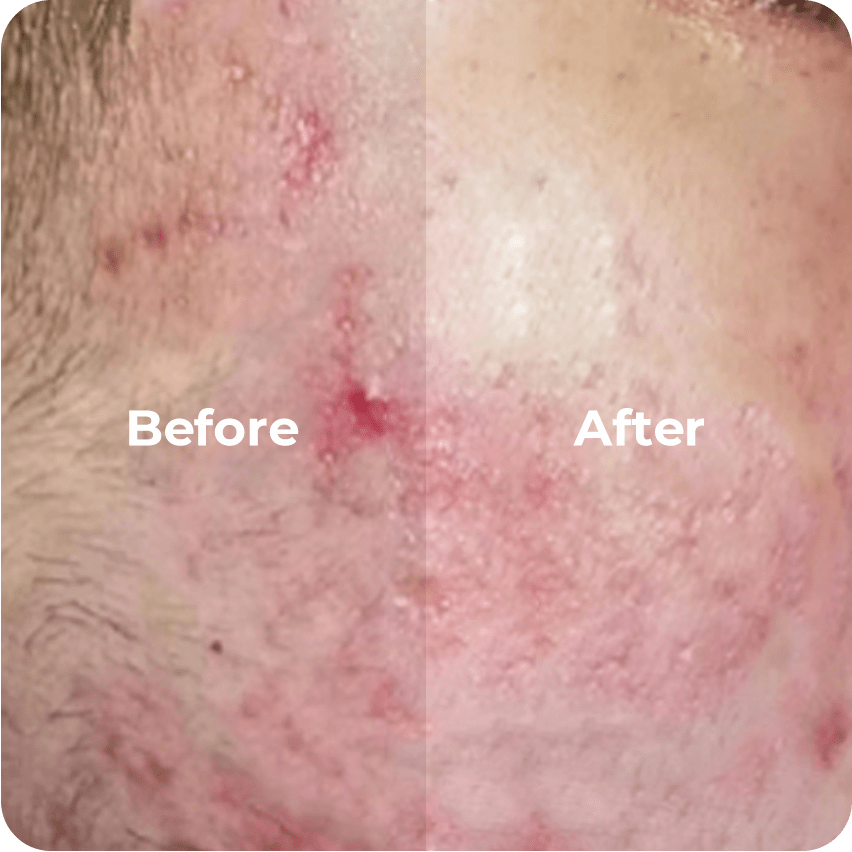
Expect 6–10 sessions spaced per hair growth cycles (usually 4–8 weeks for body areas). Results accumulate: hair reduction is progressive rather than instant. Side effects like transient erythema or crusting are common and typically temporary when protocols are followed. Clinics that document settings (wavelength, fluence, spot size, pulse duration) and keep before/after photos make it easier to track progress and adjust plans objectively.
EEAT mode and a real-world anchor
EEAT mode: clinician-informed practical guidance. Real-world anchor: many clinics in major U.S. cities rely on FDA-cleared devices and publish technician certifications — a baseline you can verify. If a clinic can’t tell you the device model or show recent treatment photos with consistent settings, treat that as a signal to get a second opinion. Practical transparency like this separates experienced practices from the rest.
Costs, maintenance, and alternatives
Budgeting means considering per-session price, expected number of sessions, and potential touch-ups. Alternatives include electrolysis (permanent but time-intensive) and prolonged topical depilatories (temporary). If you’re evaluating value, factor in downtime, expected reduction percentage, and discomfort management (topical anesthetic options, cooling systems). A clear conversation about long-term maintenance — and whether the clinic offers package pricing for follow-ups — prevents surprise bills.
Choosing a provider: practical selection framework
Use these quick filters when comparing clinics:- Operator credentials and documented experience on the chosen device.- Test spot protocol and written treatment plan.- Clear documentation of device settings per session.- Transparent before/after galleries that match your skin phototype.- Post-treatment support (access to clinician for concerns, written aftercare).This framework helps you differentiate competent clinics from those relying on marketing rather than measurable outcomes.
Key takeaways and three golden rules
1) Prioritize personalized calibration: insist on a test spot and documentation of wavelength, fluence, and pulse duration specific to your skin and hair. 2) Verify operator competence and device clearance: ask for technician credentials and the FDA clearance status or clinical evidence for the device. 3) Expect progressive improvement and plan for maintenance: treat the process as an investment that pays off with consistent follow-up rather than a one-off fix.
When you want reliable, patient-centered care, systems that combine calibrated protocols with clear communication deliver the best long-term value — and that’s the exact type of care we highlight at laser treatment for body hair removal. Choose a clinic that measures outcomes, explains trade-offs, and stays accountable.
Adopt these rules and you’ll avoid common missteps—trust results that are both safe and measurable. —
ENZOEYS — practical expertise for confident skin decisions.