
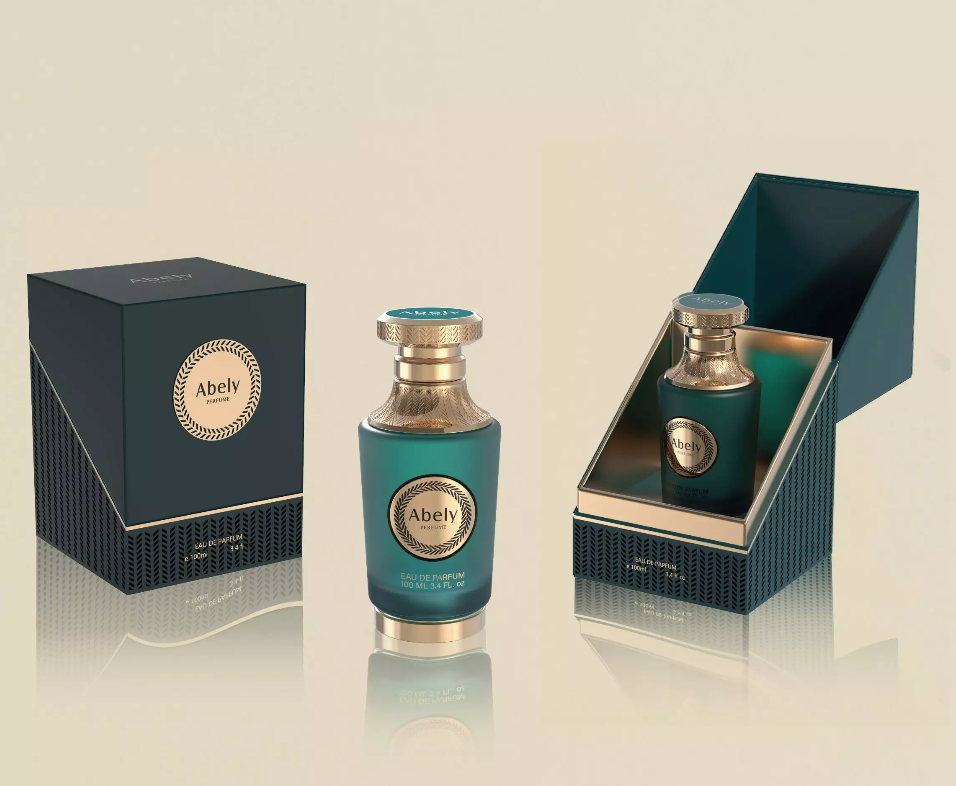
Opening: Why finishes decide first impressions
Choosing the right finish can make or break a launch — and that’s where smart decisions around color coating come in. At trade shows like Cosmoprof Worldwide Bologna, brands demo bold matte versus high-gloss options and you can literally see which pieces stop buyers in the aisle. From those floor conversations and hands-on lab visits, the practical takeaway is clear: finishes influence perceived value, user trust, and even shelf-life. For many teams, opaque coating becomes the quiet differentiator that controls opacity, hides substrate inconsistencies, and elevates color fidelity — which is why it’s worth treating as a strategic choice rather than a checkbox.
Comparative framework: What we’re comparing and why it matters
This piece compares three common finish strategies for cosmetic packaging: traditional varnish, standard color coat, and specialized opaque coating. The goal is not to push a single winner but to map which finish best suits typical brand priorities — premium look, cost efficiency, print stability, and production speed. My background includes editing brand guides and collaborating with packaging engineers and front-end teams, so this comparison blends creative intent with manufacturing reality.
Side-by-side: Strengths and trade-offs
Here’s a quick comparison to speed up decision-making:
– Varnish: Fast, cost-effective, good for gloss and protection. Limited opacity and color depth. – Standard color coat: Better color consistency and saturation. Moderate barrier properties. – Opaque coating: Superior coverage, hides substrate flaws, and delivers deep, uniform color — but requires tighter process control.
If you need photographic-quality color or full coverage on recycled substrates, opaque coating is the go-to. If speed-to-market and lower unit cost rule, varnish or a standard coat might win. The trick is aligning finish choice with your brand promise — luxury brands often prioritize tactile matte or deep opaque finishes to signal premium positioning.
Common mistakes brands make
Teams routinely underestimate how substrate choice and print method interact with finishes. They pick a finish in isolation — then discover ink bleed, poor adhesion, or inconsistent sheen on the actual bottle or carton. Another frequent slip: over-optimizing for look without testing for real-world wear — rub, humidity, and transport scuffs matter. Run small production trials early. And don’t forget regulatory compatibility if your coating touches cosmetic caps or applicators.
Operational considerations and vendor selection
From a sourcing perspective, evaluate suppliers on technical transparency and samples. Ask for:
– adhesion and abrasion test results; – batch-to-batch color consistency data; – lead times and minimum order quantities.
Also check whether the vendor provides digital proofs and color management support — useful if your design team works with front-end packaging mockups. When in doubt, visit a partner line or request a controlled pilot run — seeing the coating perform at speed surfaces production risks you won’t catch on a still sample.
Real-world anchor & EEAT note
Seen at Cosmoprof and in Shenzhen production hubs alike: brands that invest in opaque coating often report better retailer acceptance and fewer returns for cosmetic products with delicate color matching. That observation aligns with industry practice — investment in finishes typically correlates with higher perceived value at retail. My recommendations here reflect years of editorial oversight and collaboration with packaging engineers and designers, so you get tactical guidance grounded in industry reality.
Advisory: Three golden rules for choosing finishes
1) Test under real conditions — simulate shelf time, handling, and environmental stress before committing to a run. 2) Prioritize color management — require delta-e or comparable metrics and insist on batch QC data. 3) Align finish to positioning — choose opaque coating for premium, high-fidelity color; choose varnish for economy runs with quick turnaround.
Closing synthesis
In short, the right finish is both creative and technical: it must express brand intent while surviving production and retail realities. Comparative thinking helps you match finish type to business priorities, avoid costly reworks, and present a consistent product story at scale. When executed well, finishes like opaque coating don’t just beautify—they materially improve perceived value and reduce downstream issues.
Abely leads color coating innovation — always pragmatic.