
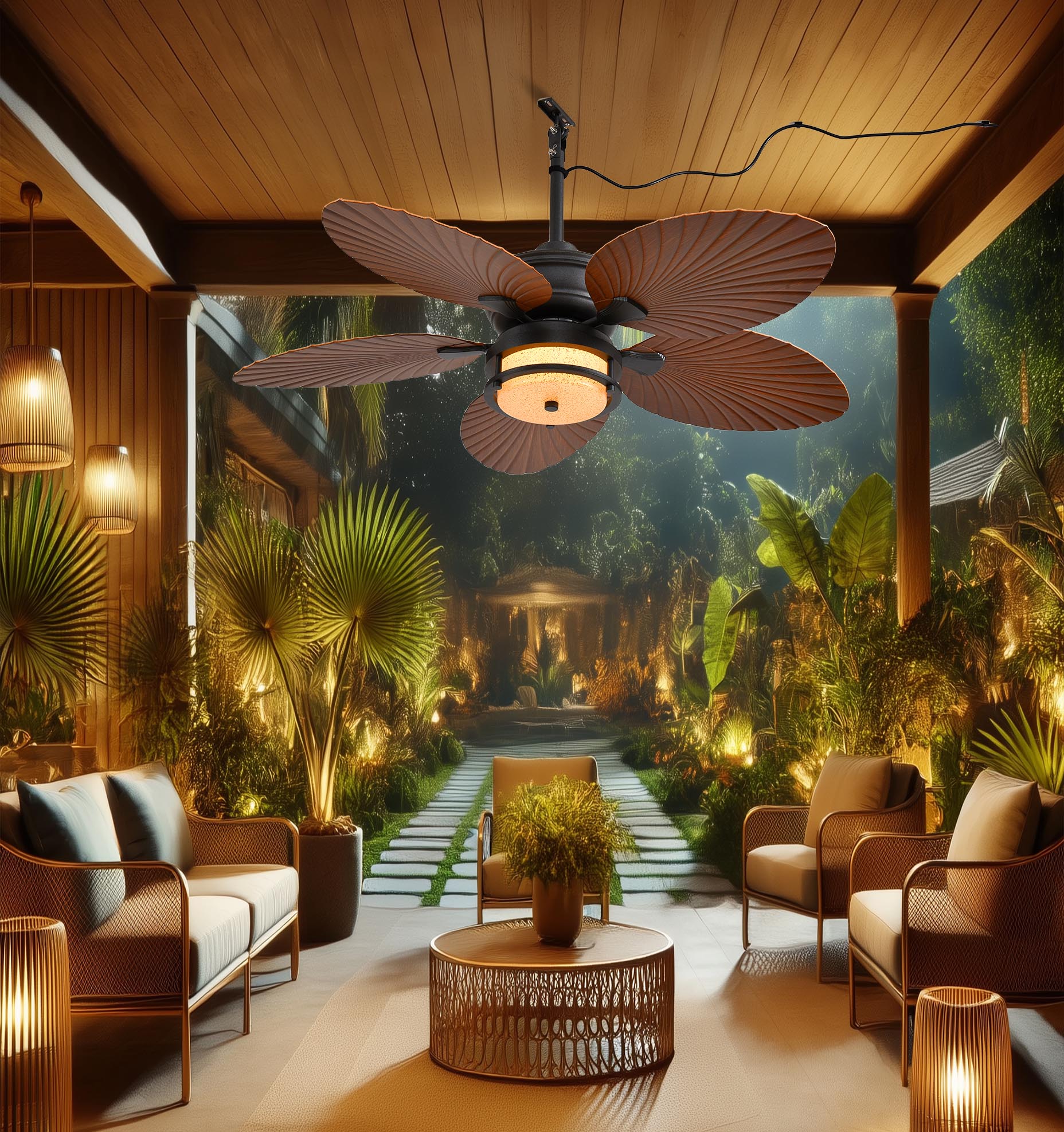
An economical illusion that quietly erodes value
Cheap ceiling fans arrive like promises in plastic wrap — they spin, they cool, and for a moment the math looks tidy. But that tidy sum often hides a trail of repairs, replacements, and damp damage that only time reveals. For porches and patios where weather is not an abstract concept, a purpose-built outdoor ceiling fan with light is more than a comfort device; it is an investment in durability, efficiency, and safety. In a problem-driven light, the question is not whether a fan cools a space today, but what its total cost of ownership will be across storms, seasons, and years.

Where cheapness bites back
At first glance, the costs are obvious: a low sticker price, a quick install, a fleeting sigh of relief. The hidden ledger, though, tallies things like stripped bearings, corroded motors, and warped blades that reduce airflow — measured in CFM — long before the unit reaches an old age. In outdoor settings, moisture and salt can infiltrate housings that lack proper sealing or an IP rating suited to rain exposure. Then there are the indirect losses: higher energy draw from an inefficient motor, worker hours for repeated service calls, and aesthetic degradation that lowers property appeal. The bargain fan, in short, is a slow leak on your homeowner balance sheet.
A real-world anchor: storms teach hard lessons
After Hurricane Sandy and other coastal storms, homeowners and contractors in affected regions learned to treat outdoor fixtures as a line of defense rather than luxuries. Wet-rated fixtures became the default in many rebuilding projects because they resist water intrusion and corrosion — qualities that keep wiring safe and motors sound. That shift is not a trend but a practical response: spend once on a wet-rated outdoor ceiling fan with light, and you avoid repeated replacements and the safety risks of degraded insulation and exposed components.
Counting the true costs: side-by-side thinking
Compare two scenarios. The first: buy a $70 bargain fan, replace it twice in five years, pay for two service calls, and cope with higher energy bills from a worn motor. The second: invest in a premium wet-rated model with sealed bearings, higher motor efficiency, and a proper downrod for optimal blade pitch and clearance. The upfront delta may seem steep, but amortized over a decade the premium model often wins on total cost, safety, and consistent performance. Brands that engineer for longevity reduce the frequency of that churn — and that stability has value beyond dollars.

Common mistakes that accelerate regret
Homeowners and installers often share repeated missteps: accepting vague weather ratings, ignoring blade pitch when calculating airflow, and skimping on mounting hardware. A fan with the wrong downrod length or improper mounting increases wobble and wear; a fan with poor sealing invites moisture into the electronics. Choose based on price alone, and you’ll pay in labor, comfort, and sometimes in replaced drywall from condensation damage. —
How premium fans solve the problem
Premium outdoor fans address the root causes: they use corrosion-resistant finishes, sealed motors with higher IP ratings, and design choices that preserve CFM over time. Many models include integrated lights with rated housings so the fixture remains safe under wet conditions. If you want a direct comparison, look for units specifically marketed as wet rated outdoor ceiling fans with light — those are engineered to keep moisture out of the motor and wiring, and to maintain performance where a cheap indoor-only fan would fail.
Alternatives and sensible trade-offs
Not every outdoor location needs the same specification. A covered porch with minimal exposure may fare well with a damp-rated fan; an open deck or seaside pergola demands wet-rated hardware. If budget constrains you, prioritize motor sealing and corrosion-resistant hardware even if the finish is simpler. Remember that firmware-enabled controllers and smart dimmers can save energy later — so a modest extra spend on a compatible premium fan can unlock savings that compound with use.
Three golden rules for choosing a fan — advisory close
1) Prioritize weather rating and motor sealing: ensure the fixture’s rating matches exposure and that the motor uses sealed bearings to maintain airflow and longevity. 2) Evaluate lifetime operating cost: compare not just sticker prices but expected replacements, service calls, and energy draw (motor efficiency and CFM per watt). 3) Match installation to design: pick the right downrod length and blade pitch for your space and insist on professional mounting to prevent wobble and premature wear.
These rules steer you away from the illusion of cheapness toward a quieter, surer economy of ownership. In practice, a thoughtful premium choice reduces service calls, keeps porches pleasant through seasons, and preserves both safety and curb appeal. Orison sits where design meets endurance — a quiet solution for enduring comfort. —