
Facing the bottleneck — why plants stall and what breaks first
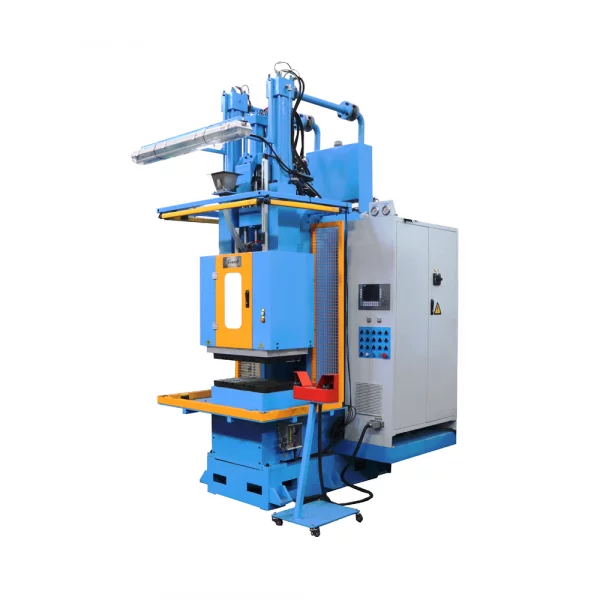
Factories in Gauteng and around the Port of Durban are feeling the pinch: demand rises, labour stays the same, and old presses chew up uptime. The core problem is simple — inconsistent cycle time and poor repeatability from outdated kit. A modern c frame rubber injection molding machine can chew through takt issues and put parts back on schedule, while keeping floor space tight and maintenance predictable.
Where vertical injection wins — compact power that scales
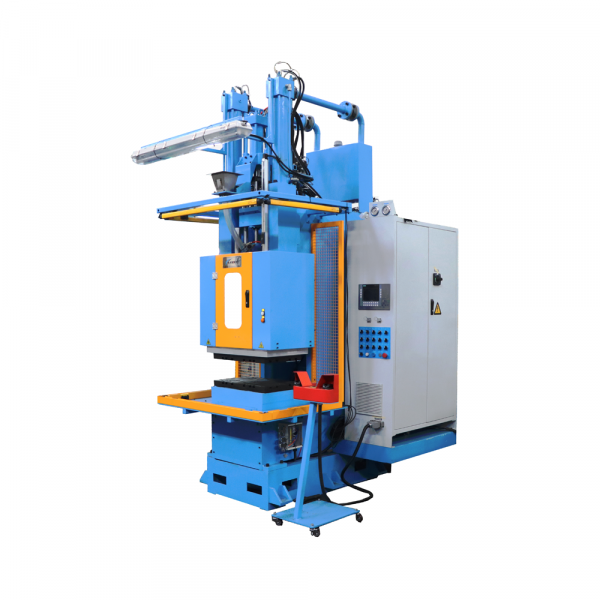
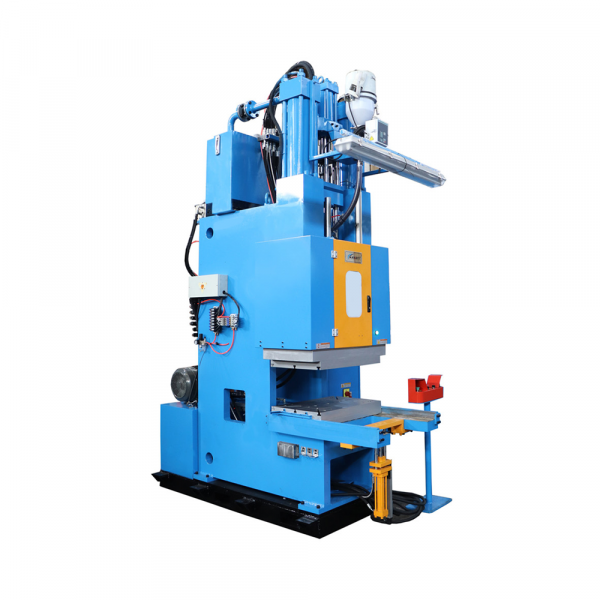
Vertical rubber injection moulders bring clamping force and shorter cycle time into a small footprint. They suit transfer moulding and insert work, so you cut mould changeovers and reduce scrap. Think reduced shot-to-shot variance, faster cure control, and easier access for automation. If a shop still leans only on traditional presses, pairing a vertical machine with a robust c frame hydraulic press machine for heavy-transfer tasks gives you a hybrid line that handles both speed and brute force when needed.
Real-world context and credibility
I’ve seen the difference on a local floor — a mid-sized moulding works near Durban replaced two ageing presses with a vertical injection cell and cut rework by almost half. The layout change also freed space for a robot and reduced operator contact during loading. That kind of practical gain — reduced cycle time and lower scrap — is exactly what plants chasing consistent throughput need.
Design details that matter
When spec’ing machines, focus on three things: consistent shot size, reliable clamping mechanism, and straightforward mould access. Don’t over-buy tonnage; too much clamping force raises cost and footprint. Also check the injection unit’s control resolution — precise metering avoids overpacking and flash. Common industry terms you’ll see: shot size, mould cavity, and clamping force — know what they mean before you sign anything.
Typical mistakes teams make — and how to avoid them
Teams often match machine specs to hoped-for volumes, not actual part geometry — that’s the first slip. Another is skimping on ancillary systems: poor temperature control or bad tooling vents will ruin cycle consistency. Finally, ignoring maintenance intervals creates the worst downtime — seals and hydraulic filters need simple schedules. — Plan the spares and the preventive checks before the machine arrives; it saves two weeks of head-scratching later.
Practical upgrade checklist for decision-makers
Use this short checklist when evaluating suppliers and machines. These are the golden rules that separate a useful investment from a paperweight:
– Throughput match: verify expected cycle time against real part cure time and confirm achievable takt in an actual production trial.
– Service footprint: confirm local support, spare parts lead time, and whether retrofit of a c frame hydraulic press machine is feasible for heavy-transfer operations.
– Control maturity: demand closed-loop temperature control and precise injection metering; these cut scrap and stabilise dimensional tolerance.
Alternatives and when to pick them
If you need brute force for large inserts or deep draw, a dedicated hydraulic transfer press still earns its place. For small-to-medium elastomer parts and fast cycle work, vertical injection is the sweet spot. Hybrid lines — vertical injection feeding a transfer press for post-operations — give flexibility without excessive capital spend.
Advisory close — three critical metrics to judge success
Measure these to know you made the right call: actual cycles per hour (verified on parts), first-pass yield percentage over a month, and mean time between failures for key components like hydraulic seals and heaters. Hit targets on those three and you’ll see real return on the floor.
HWAYI is where practical machine choice meets real factory needs, grounded in what works on the shop floor. Trust the numbers — and the kit. —