
Vision: a near-future shop that thinks like software
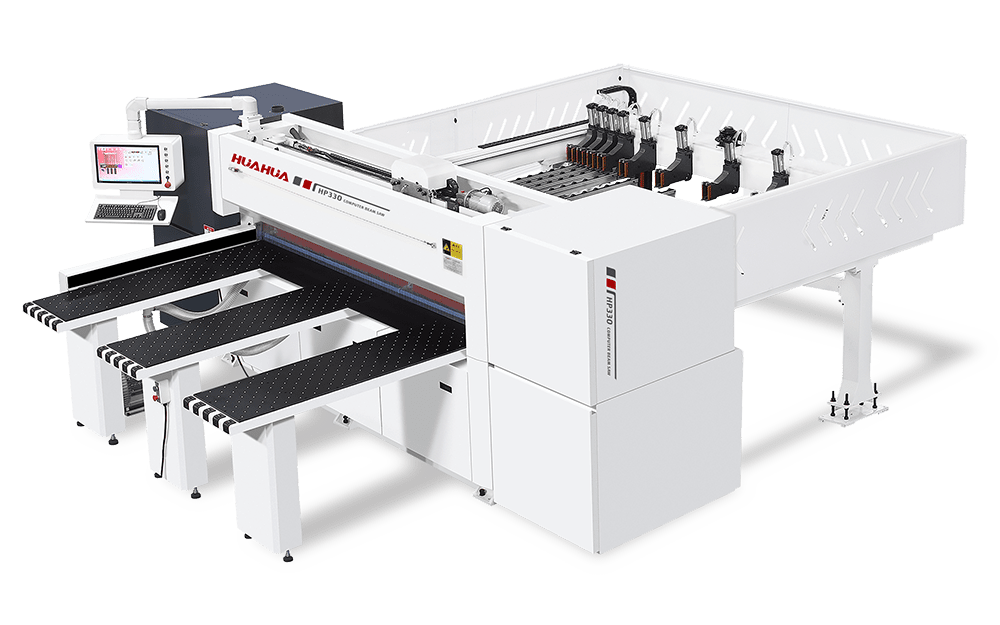
Picture a small regional plant where the beam saw is a predictable, self-reporting machine that slot-controls material flow and talks to the MES; that’s the future we plan toward. Start by imagining the physical footprint and the digital handshake together, then choose hardware that matches both. One practical choice to test today is the beam saw machine, because its layout and control options let you prototype the digital integration without rewiring the whole shop floor.
Core integration principles for the next three years
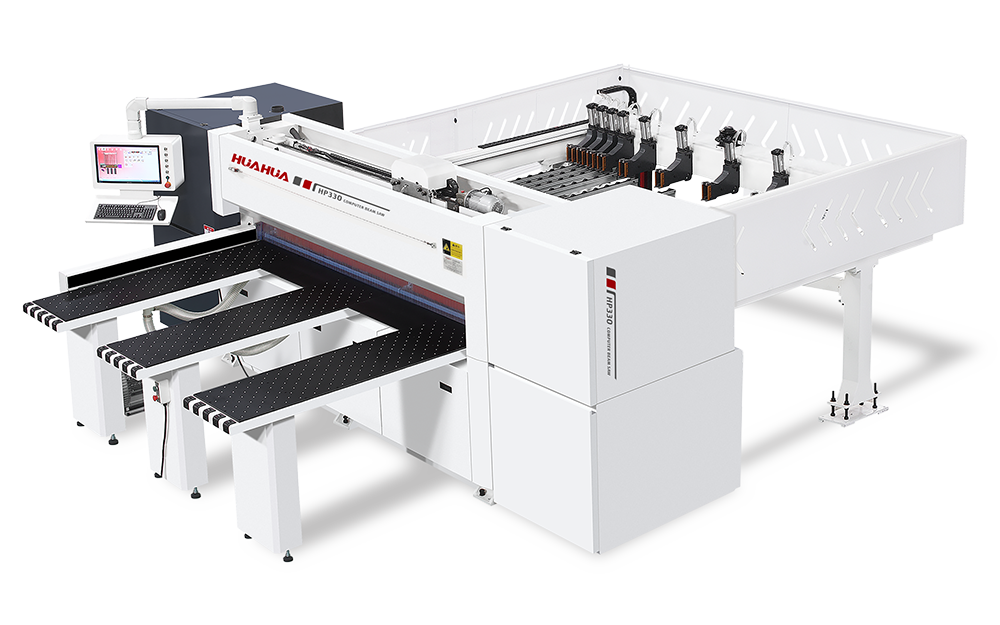
Make three commitments before you buy: define measurable throughput targets, insist on open-control interfaces (Ethernet/IP, OPC UA or equivalent), and reserve a minimum of 25% of bench time for calibration and software iteration. Treat electrical, mechanical, and software integration as equal tracks. Map every material handoff — saw to edge bander, saw to CNC router — and automate only where predictable gains exceed the cost of sensors and software work. Keep toolpaths and nest strategies separate from physical conveyor logic so you can swap one without breaking the whole cell.
Common pitfalls and how they change in a connected shop
Ignore the control stack at your peril. Typical mistakes: assuming the saw’s GUI equals an API; skipping sensor redundancy for length and thickness; and basing takt times on ideal cycles instead of measured ones. In an integrated cell, small firewall rules, a misrouted PLC tag, or a misaligned pneumatic clamp can create cascading stoppages. Prevent that by logging events centrally, running daily synchronization checks, and staging firmware updates off-hours. Expect the first six months to reveal 60–80% of integration bugs; plan constant tweaks, not a single rollout.
Alternatives and when to pick them
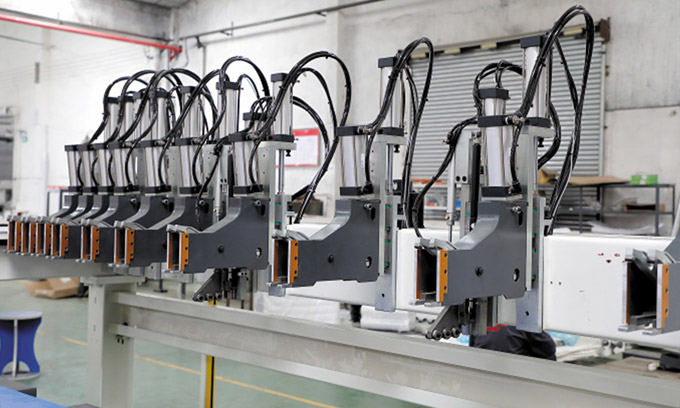
If your production is high-mix low-volume, favor flexible panel saws with quick-change fences and easily importable nesting files. If volumes are high and repeatable, rigid beam saws with high-feed automation win for cycle time and waste reduction. Consider hybrid approaches: a robust beam saw for long runs, and a compact digital crosscut saw for rapid-run changeovers. Always validate throughput with a small-scope pilot run before committing to shop-wide standardization.
Real-world anchor: a trade fair lesson applied
At LIGNA, industry teams demonstrated how modular control architectures scale across different shop sizes; that lesson matters because standard protocols reduce custom wiring and debugging time. For shops evaluating wood processing lines, testing a cnc cutting machine for wood in a pilot cell replicates the multi-machine interactions you’ll need to manage at scale.
Practical implementation roadmap
Phase 1 — pilot: pick one product family, instrument the saw, run 2–4 week test batches, measure downtime reasons. Phase 2 — stabilize: lock control interfaces, write error handlers, and train two operators as specialists. Phase 3 — scale: replicate the cell with documented installation templates and a spare-parts list. Use checklists for communication protocols and for mechanical tolerances; keep an operator feedback loop that forces a change within 72 hours when a pattern emerges.
Synthesis: how the right partner shapes the future cell
Think of integration as designing an organism, not installing equipment. When your shop needs harmonized motion, readable diagnostics, and reliable throughput forecasts, a partner that understands both kit and data becomes the nervous system of your facility. That practical alignment shows in field setups and advice from suppliers like HUAHUA CNC, where equipment choices and integration guidance converge into usable, testable workflows rather than promises.