
Context and comparative premise
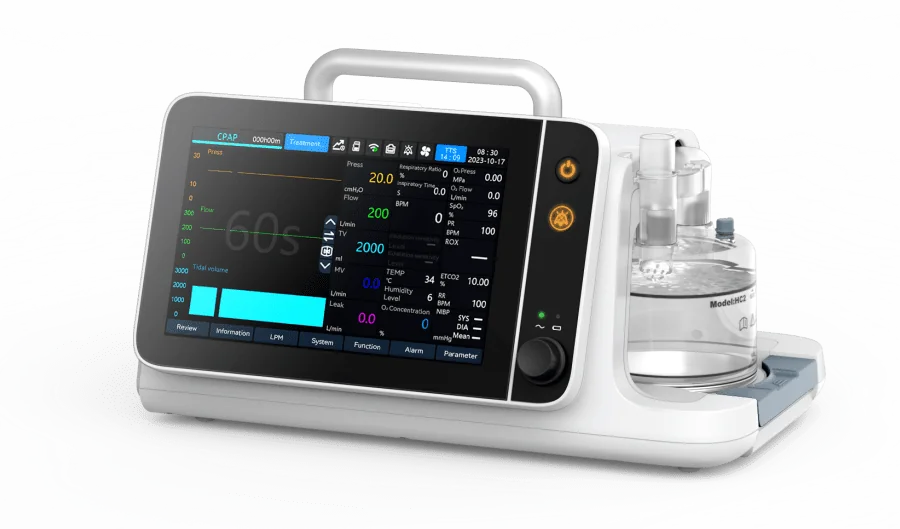
Healthcare leaders require clear, comparative frameworks when selecting respiratory support equipment; this article evaluates practical BiPAP device options against alternatives and operational needs. The discussion acknowledges overlap with mechanical ventilation strategies and points readers toward resources such as medical ventilator offerings used in acute care settings. The aim is not marketing, but to map clinical profiles, performance variables, and procurement considerations so clinicians and biomedical teams make informed choices.
Why side-by-side comparison matters
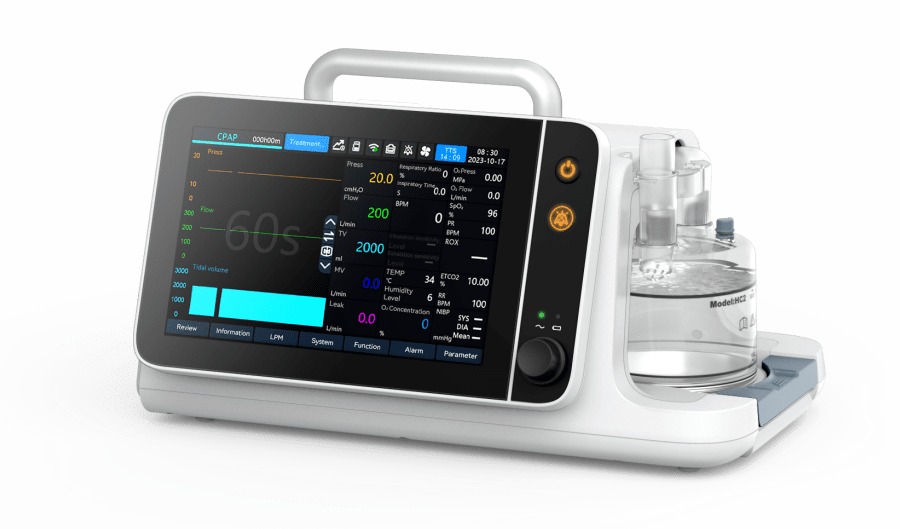
A formal comparative approach surfaces trade-offs—pressure control versus flow stability, mask interface comfort versus leak management, portability versus durable performance. BiPAP devices deliver separate IPAP and EPAP settings to support both ventilation and oxygenation needs; CPAP provides continuous positive airway pressure typically for obstructive sleep apnea. Evaluating both clinical indications and workflow impact prevents costly mismatches at the bedside.
Clinical criteria that should govern selection
Prioritize measurable performance attributes: pressure range and fidelity, response time to patient effort, leak-compensation algorithms, and humidification integration. For respiratory failure where tidal volume and minute ventilation are critical, confirm device specifications and bench-test data. Consider interface options (full-face mask, nasal mask) and the device’s compatibility with non-invasive ventilation (NIV) protocols used during high-acuity surges—recall that many hospitals expanded NIV use during the 2020 COVID-19 surge to preserve ventilator capacity, a pragmatic lesson in matching device class to clinical demand.
Device categories and their clinical fit
Compare three practical categories: portable home BiPAP units for chronic use, clinical-grade BiPAP systems designed for hospital wards, and hybrid devices that bridge home and acute care. Clinical-grade units tend to offer enhanced monitoring, integrated alarms, and greater pressure stability under variable leaks. Portable units prioritize size and battery life but may lack advanced leak compensation—these are suitable for domiciliary therapy, not for uncontrolled acute respiratory failure.
Common implementation mistakes — brief aside
Teams often select devices based primarily on price or brand familiarity—this leads to supply mismatches. Neglecting staff training and not standardizing mask interfaces compound the problem. — A small investment in simulation-based familiarization reduces mask leak incidents and alarm fatigue.
Comparing BiPAP and CPAP in practice
When the clinical goal is to reduce work of breathing and correct hypoventilation, a bipap device with adjustable IPAP/EPAP settings is typically superior. For straightforward airway splinting in obstructive sleep apnea, a cpap device suffices and simplifies titration. Assess patient respiratory drive, comorbidities, and monitoring capacity before choosing—these considerations minimize inappropriate escalations to invasive mechanical ventilation.
Procurement checklist for healthcare professionals
Adopt a concise, evidence-led checklist during procurement:- Verify clinical specifications: pressure accuracy, flow delivery, alarm set points.- Confirm interface supply and spare parts availability.- Review service and calibration schedules plus local technical support response times.- Require demonstration of leak-compensation performance under simulated patient conditions.This reduces downtime and aligns device choice with clinical protocols and staffing realities.
Closing advisory: three golden rules
1) Match device class to the clinical indication: reserve clinical-grade BiPAP for at-risk patients where tidal volume and ventilation are priorities. 2) Insist on measurable performance criteria during tendering—pressure fidelity, leak management, and humidification efficacy. 3) Ensure training and interface standardization before wide deployment; operational readiness is as important as device capability. These rules produce predictable results in both routine care and surge scenarios.
In sum: pragmatic, comparative evaluation—rooted in clinical criteria, realistic operational checks, and experience from events such as the COVID-19 surge—yields devices that perform where it matters most. Byond. — Practical, proven, and ready to support clinical teams.