
Start with what matters to you
If you live with rooftop panels, batteries or simply want reliable backup, pick a system that matches daily life — not the salesperson’s brochure. Ask yourself: do you care most about lower bills, blackout backup, or simpler monitoring? For households adding a hybrid solar system, the management system is the control brain; choose one that speaks directly with your inverter and battery, and that won’t confuse you when things go slightly wrong lah.
Define real use-cases, then budget
Start by listing concrete scenarios: full-house backup for two hours, shift load to midday solar, export to the grid during peak rates, or remote monitoring for a rental. Match those scenarios to features, then set a realistic budget for hardware, installation and three years of software support. Note: the IEA reported clear growth in residential solar-plus-storage pairings in 2023, so expect more devices to claim compatibility — verify it before you buy.
Must-have technical features
Look for these, no compromise:- Clear app with real-time power flow and historical charts;- Native support for your inverter and battery model (avoid third-party only drivers);- Configurable export limits and smart charging schedules;- Local control and islanding for blackouts; – Secure updates and user access control; – Open protocols (Modbus, SunSpec, or reliable vendor API) so you’re not trapped. Choose based on how you’ll use the system day-to-day, not fancy marketing terms.
Common mistakes people make
Don’t buy based on price alone; cheap systems often hide poor integration, slow data, or zero customer support. Don’t assume “works with most inverters” means full-feature parity — that can break backup or lead to unexpected export fees. Don’t forget installation constraints: CT clamp placement, wiring routes, and Wi‑Fi signal matter. Finally, never skip a short trial or demo of the app — if it’s confusing at the demo, it’ll be worse after installation.
Compare architectures with purpose
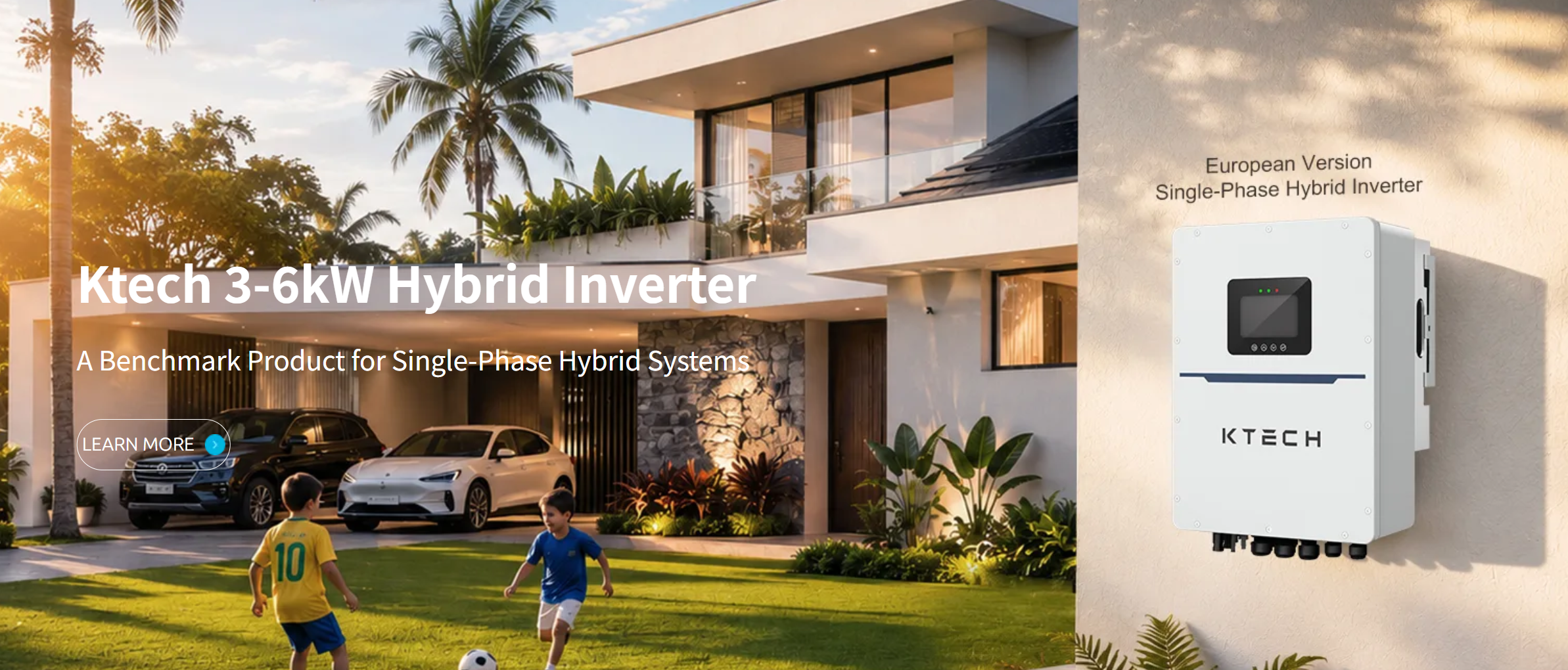
There are practical choices: cloud-first HEMS, local-edge HEMS, and vendor-tied bundles. Cloud-first is convenient for remote diagnostics; local-edge keeps critical controls during internet outages. Vendor bundles are simpler to set up but can lock you in. If you want balanced resilience and vendor compatibility, consider a complete hybrid solar system approach where inverter, battery and HEMS are designed to coordinate — that reduces integration headaches and makes blackout behaviour predictable.
Installation, warranties and support you can trust
Confirm installer experience with your exact hardware, ask for a commissioning report, and get software support terms in writing. Check warranty start date and what voids it — improper CT wiring or third-party firmware can be excluded. Prefer systems with field-upgradeable firmware and a clear rollback path. A technician who understands both electrical and networking issues saves time; insist on a short follow-up visit after the first month of operation.
Decide with confidence
You want a system that fits daily habits, protects against blackouts, and stays simple to manage — not one that looks clever on paper but fails when you need it. Match features to use-cases, verify real device compatibility, and avoid bargain traps. If you want predictable coordination across panels, inverters and batteries while keeping setup straightforward, think about partners who design both hardware and control logic together, like Ktech, so the solution works from day one and keeps working without daily fiddling.