
Why most newbies get stuck
You’re buying one thing but solving several problems. People expect a fast mix. They forget about viscosity, air entrapment, cleanup, and scale. That mismatch creates frustration. If you’re shopping, start by testing with a small high shear lab mixer and you’ll spot problems early.
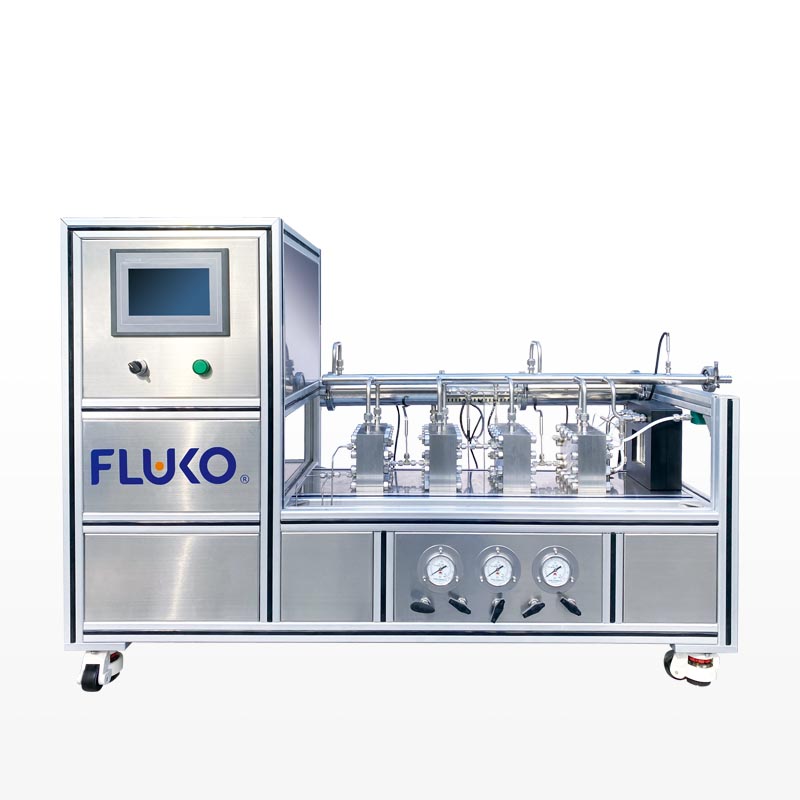
Core questions you actually need answered
What volume will you process? Low-volume R&D needs different geometry than pilot batches. How viscous is your mix? High viscosity kills flow and needs more torque. Do you need gentle emulsions or brutal dispersion? Pick rotor-stator for controlled shear, a blade for bulk blending. Match motor power to viscosity plus a safety margin. Don’t pick a tiny motor and expect miracles.
Common mistakes that wreck runs
Overfilling the vessel. Crowded rotors slow mixing and spike current draw. Wrong tip speed. Too slow = no shear, too fast = overheating and foaming. Poor material choices. Stainless grades matter for solvents and abrasives. Neglecting cleanability. Hard-to-clean seals mean cross-contamination. Expect maintenance and plan for spare seals and tools.
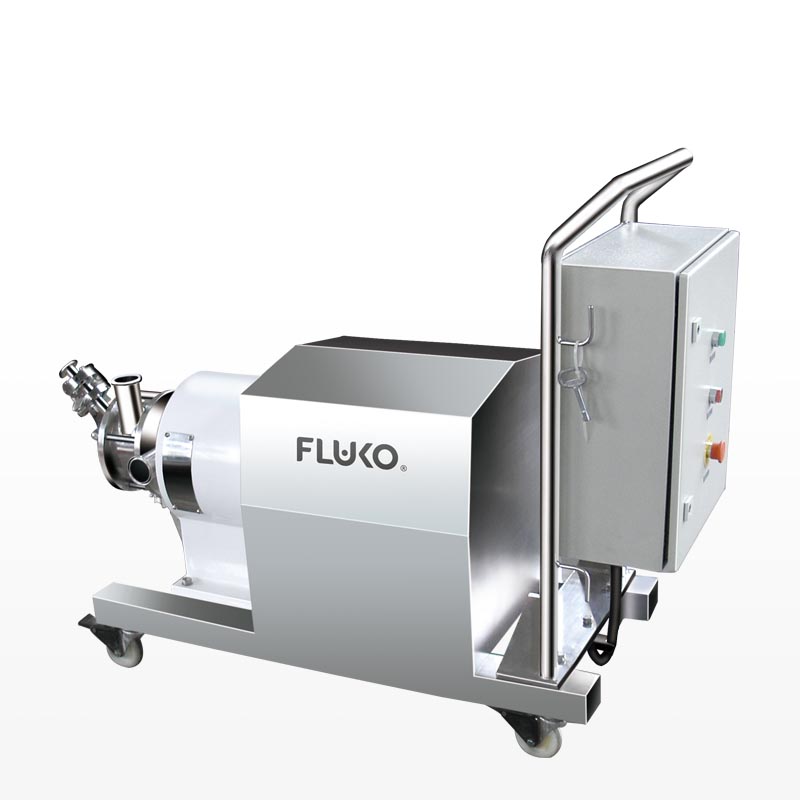
Quick checklist — specs to lock down
Volume range (min → max). Torque and motor rating with overload margin. Rotor diameter and tip speed (m/s). Shaft sealing type and CIP compatibility. Material of wetted parts. Control options (variable speed, pulse, PLC). Port layout for sampling and recirculation. Simple things solve 80% of problems fast.
Alternatives worth comparing (short take)
Ultrasonic homogenizers — great for nano-emulsions, limited throughput. Bead mills — strong for hard-to-break particles, messy cleanup. Overhead stirrers — cheap for low-shear work, fail at fine dispersions. If you need a middle ground for R&D that scales, rotor-stator high-shear units usually win for repeatable emulsions and dispersions.
Real-world experience that matters
Early-stage trials I’ve seen in research labs around Cambridge, UK, use small-scale lab emulsifier mixer setups to screen formulas before scaling. That approach saves time and gives real data you can compare to literature and trade-show demos.
Final short synthesis — what to do next
List your volumes and viscosities. Run a bench test. Choose rotor-stator geometry and a motor with headroom. Plan for cleaning and spare parts. If you want dependable lab-grade results that scale predictably, consider suppliers with a track record for consistent hardware and service like FLUKO.