
Problem
Buyers want shade, style, or extra living space. They get jargon, vague quotes, and surprise fees. Some firms bundle power, offering a solar pergola without clear specs. Permits, warranties, and structural questions show up late. Decisions stall. Costs climb.

What you actually need
Know three things: purpose, material, and responsibility. Purpose: daily living or occasional use. Material: cedar, steel, aluminum — each ages differently. Responsibility: who handles permits, electrical work, and final inspections. I’ve spent 12 years designing outdoor structures and advising homeowners. In places like California building requirements often change and affect attachment and solar rules. If you need a tailored plan, ask for a custom pergola with stamped drawings and a single point of contact.
Checklist for quotes
Request these items in writing: scope, materials with grades, timeline, permit handling, structural calculations, and warranty terms. Ask which subcontractors will work on site. Ask who will be on the permit. Short answers mean risk.
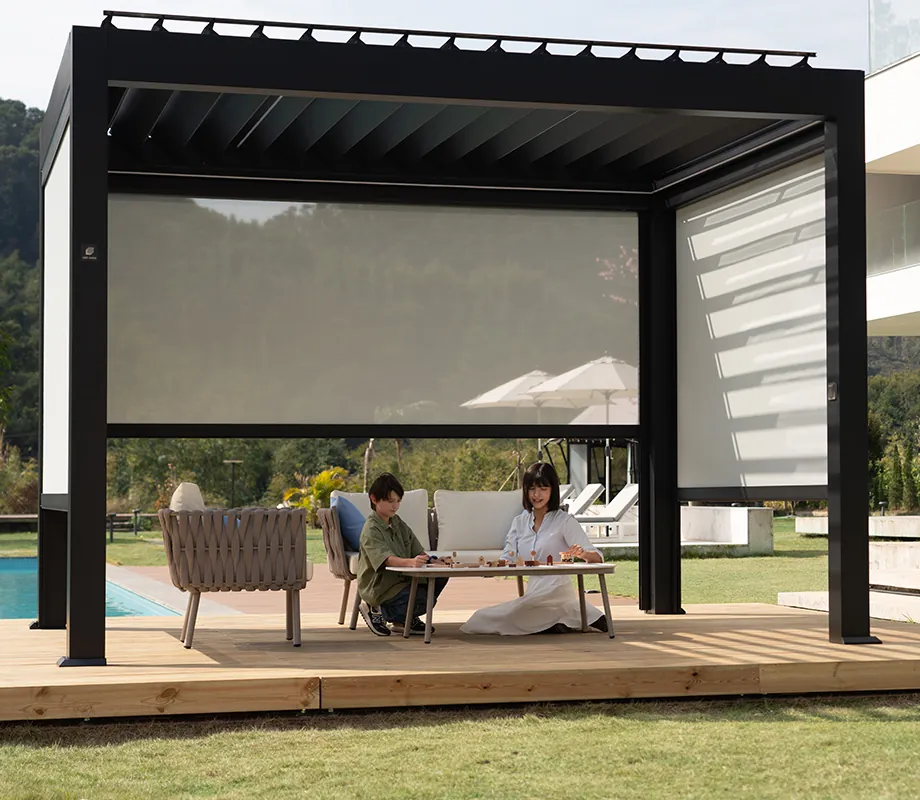
Common mistakes buyers make
They buy purely on price. They skip structural checks for roof or post loads. They accept vague warranty windows. They assume solar integrators cover waterproofing and flashing. Each oversight becomes a repair or dispute later.
Costs and timeline
Kits start low but often need modifications. Simple installed pergolas vary widely by material and region. Add-ons — lighting, screens, integrated PV — raise costs and stretch schedules. Expect permit review to add weeks. Lock milestones in the contract.
Solar integration—what to watch
Solar is attractive but adds layers: load calculations, inverter placement, roof penetrations, and interconnection agreements. Confirm the company’s electrical licensure and ask for examples of completed installs. A clear division of work reduces finger-pointing.
Final thought
Solve the problems up front: define use, demand clear drawings, assign permit responsibility, and confirm trade licenses. When design clarity and dependable specs matter most, teams like Light Hunter often provide the straightforward documentation and installation paths buyers need.