
Introduction
I was in a crowded bench area last month watching a technician jiggle a PCB under a tiny soldering iron — that scene stuck with me because it’s so common and so risky. In many workshops, fume extraction for electronics and industrial applications is treated as an afterthought, yet studies show indoor air contaminants near soldering stations can exceed safe thresholds by up to 5x in poor setups (yes, the numbers surprise even me). So how do we keep people safe without killing productivity or adding stacks of maintenance headaches?
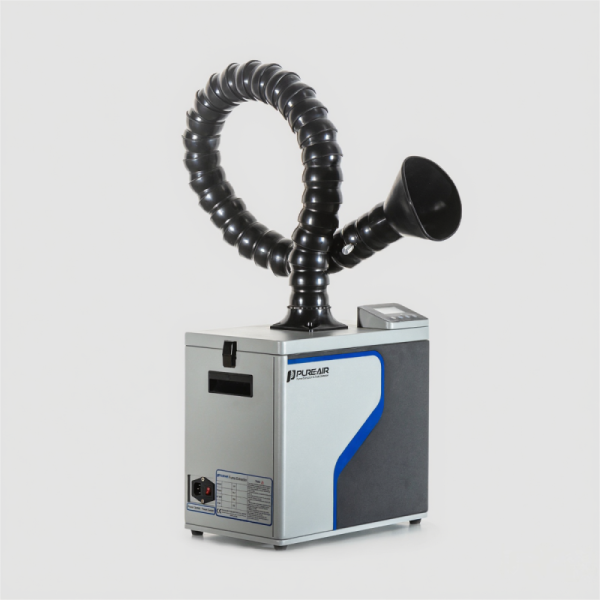
That question matters because the right balance affects worker health, yield rates, and long-term equipment costs — and it’s exactly what I want to explore with you next. Let’s dig into where typical systems fail and what that means on the shop floor.
Where Traditional Systems Falter: The Deep Dive on Selective Solder
Technically speaking, selective solder processes concentrate thermal energy and flux right where components are joined. That precision is great for yields but it concentrates fumes and flux residues in tight zones, challenging old-school extraction: simple hood vents, legacy fan arrays, or undersized HEPA filters can’t keep up. I’ve seen systems that rely only on room ventilation — not local exhaust ventilation (LEV) — and the results are obvious: odor, particulate buildup, and eventual sensor trips. Look, it’s simpler than you think: when the source is narrow and hot, the capture strategy must be equally precise.
One problem I notice repeatedly is filter mismatch. Teams install HEPA filters expecting them to fix everything; they don’t capture volatile organic compounds well, so activated carbon or specialized sorbents are needed for certain flux chemistries. Add in elements like reflow ovens and power converters nearby, and the airflow patterns get complex. Maintenance is another blind spot — clogged pre-filters, bypass leaks, and poor duct routing reduce capture efficiency fast. From my hands-on view, these failures aren’t mysterious: they’re design and upkeep issues that compound over time. We need better matching between emission type and capture tech — not just bigger fans.
Why do common systems underperform?
Because designers often optimize for cost or noise, not for capture velocity at the nozzle. You can have a powerful fan, but if the intake is miles away, you lose the capture. I’ve helped teams retrofit small hoods and seen measurable drops in airborne particles within hours — real changes. That’s encouraging, and it shows targeted fixes beat blanket upgrades most of the time.
What’s Next: New Principles for Cleaner, Smarter Extraction
Shifting forward, I want to outline a few new principles that are changing the game. First: localize capture with purpose-built modules that sit close to the heat source (think compact LEV plus sorbent cartridges). Second: layer sensing — edge computing nodes can monitor particulate counts and VOC levels in real time and trigger mode changes. Third: balance airflow and energy use with smarter fan control tied to processes like selective solder. When you combine these — selective capture, real-time sensing, intelligent fan control — you get systems that reduce exposure and lower running costs. I’ve seen this work in pilot lines: fewer complaints, less downtime, better yields — and yes, happier people on the bench.
What I’m saying is practical: don’t chase one silver-bullet part. Instead, match sorbents for flux by chemistry, pair HEPA with activated carbon where needed, and use small local hoods rather than hoping central HVAC will save you. — funny how that works, right? Also, consider integration with existing equipment like reflow ovens and power converters so you don’t create new airflow conflicts.
Real-world Impact
From a comparative standpoint, the best systems today are hybrid: local extraction for high-intensity spots, combined with smart monitoring and modular filtration that can be swapped as chemistries change. I prefer semi-formal evaluations when recommending upgrades — because the numbers matter and the human side matters too. To pick a system, I suggest measuring three things: capture efficiency at the source, total cost of ownership (filter life + energy), and system responsiveness (how fast sensors and controls react). Those three metrics tell you whether an investment will protect people and production over five years, not just the first month.
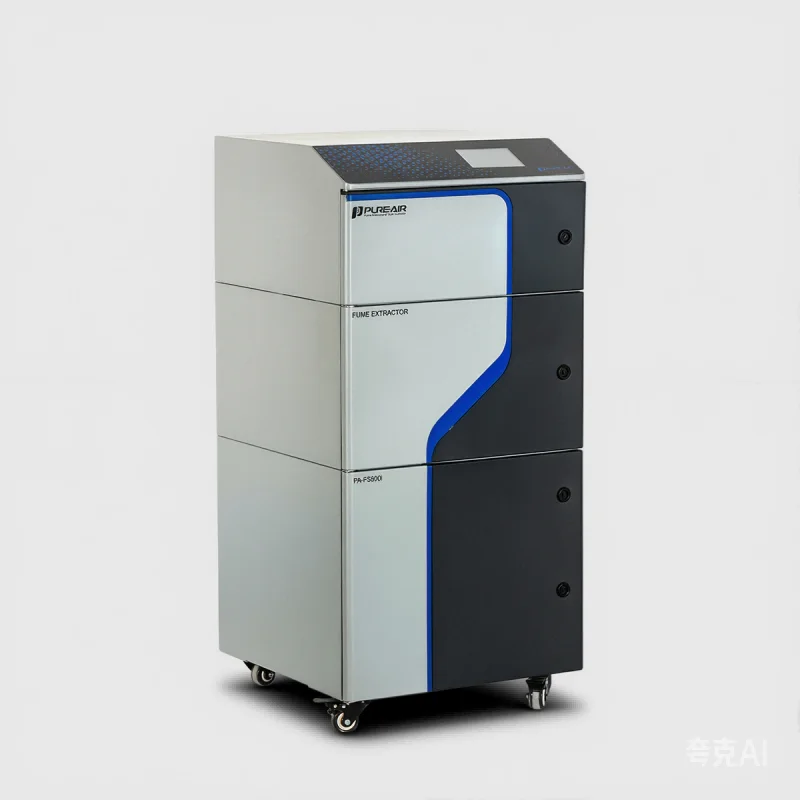
If you want a quick checklist: 1) test capture at the nozzle, 2) map airflow in your line, 3) insist on replaceable sorbent options for flux types. I’ve used this approach with small manufacturers and seen clear gains — less smell, fewer complaints, better inspection pass rates. For practical solutions and gear, check trusted vendors and talk to engineers who can model your line. For me, the goal is simple: keep people safe, keep lines running, and pick systems that adapt as processes shift. For reliable products and further reading on practical extractors, see PURE-AIR.