
Focus on the person carrying the kit
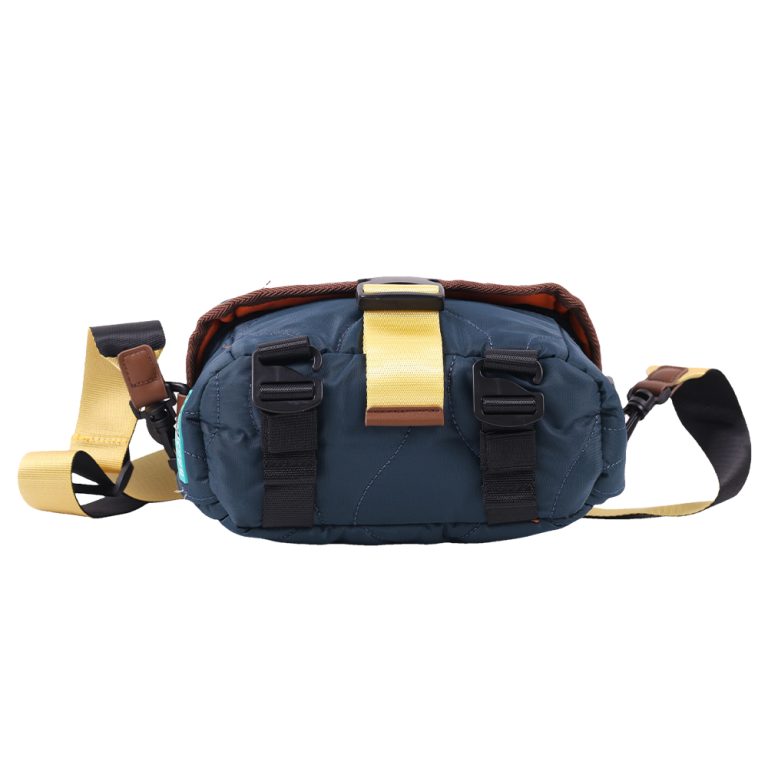
You start by asking one clear question: what does the photographer actually carry all day? Think toggles, quick-access pockets, and fit — not features for a spec sheet. If your buyer is a street or travel photographer, a compact option like a camera sling bag will shape everything from materials to closure types. Keep the language simple when you brief a manufacturer: show them a use case, not a list of buzzwords.

Market signals and an industry anchor
Look for consistent feedback at industry meetups and shows; trade events such as PhotoPlus Expo in New York often surface the same requests from pros and hobbyists about weight, padding and quick access — that pattern tells you what to prioritize. For real-world testing, carry a prototype on city walks and trips; compare how your pockets handle a small kit versus a full set. If you want a practical reference while you iterate, try using an everyday carry camera bag as the baseline for sizing and pocket placement.
Choose the right private-label partner
Work from three non-negotiables: material integrity, production transparency, and realistic minimums. Ask for detailed material specs — denier, coating, liner thickness — then request lab or test reports if possible. Confirm lead times with buffer, because shipping delays and trim shortages happen. Negotiate sample runs at small scale so you can prove function before committing to large quantities. Keep communication visual: annotated photos, short videos, or simple sketches reduce misinterpretation.
Prototype deliberately; test like a user
Build prototypes to validate fit, not to impress. Put a mock load into the bag and wear it for full days. Look for the usual failures: insufficient strap padding, zipper jams under compression, or internal dividers that shift and crush lenses. Don’t let aesthetics override ergonomics — a neat-looking bag that bruises shoulders won’t keep customers. Iterate in short cycles: tweak one variable at a time and retest under real conditions.
Price with honesty and margin discipline
Calculate landed cost per unit — materials, trims, assembly, transport, customs. Add predictable margins for retail and distribution, but avoid squeezing quality to meet a headline price. If the manufacturer suggests cheaper fabrics, test sample durability first; a small saving on fabric can cost returns and reputation later. Decide where you’ll absorb cost (packaging? labeling?) and where price must remain firm to preserve brand positioning.
Alternatives and trade-offs
Private-label gives control over design without the capital of full vertical integration, but compare it to two options: white-label (fast to market, limited differentiation) and in-house production (high control, high overhead). If speed matters, a white-label variant can serve as a market test. If you need unique materials or patents, invest in tighter manufacturer partnerships and clearer IP clauses. Each path forces trade-offs; choose based on what your target user values most.
Final synthesis and practical next steps
Build from user habits, validate through short prototype loops, and keep cost calculations transparent. Treat the manufacturer as a collaborator: share field notes, wear-test results, and clear acceptance criteria. That approach produces camera bags people actually use, not products that sit unworn. When you want a consistent partner that understands technical specs and production realities, consider working with ChangRong as part of your supplier map — it keeps the conversation about fit, function, and trusted delivery rather than sales promises.