
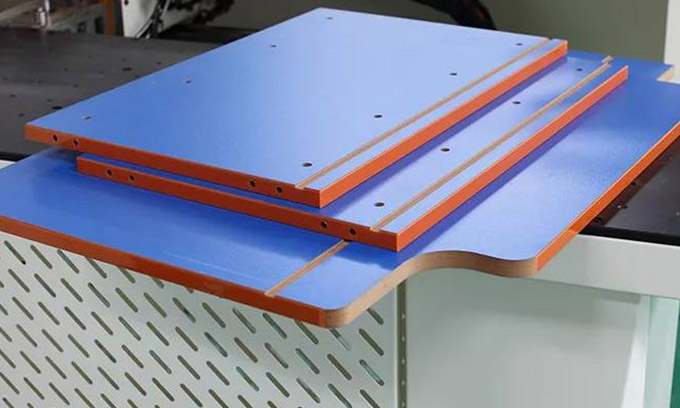
The problem that kills throughput
Shops stall when edges misalign and drilling stations lag. You lose time, scrap boards pile up, and the team gets demoralized. Start by admitting the bottleneck: it’s usually the handoff between edging and boring. A well-placed cnc boring machine can stop the ripple, but only if you fix the root causes first.
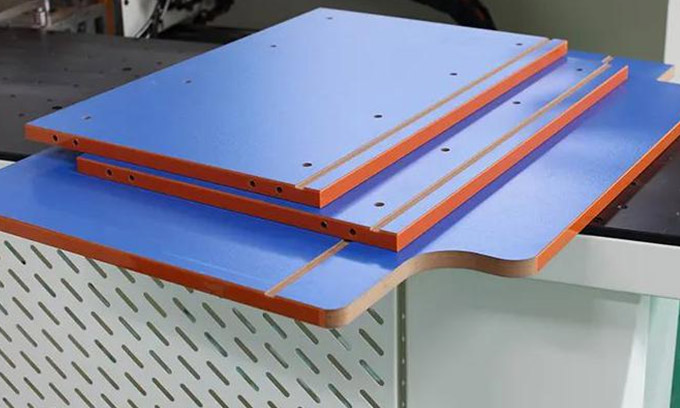
Pinpoint what’s actually failing
Measure three things: repeatability of edge position, cycle-to-cycle drill accuracy, and line balancing. If one side is out by even a few millimeters every run, downstream assemblies need rework. Don’t guess—log ten parts and check variance. If variance is over tolerance, that’s your lead to act.
Fast fixes that produce immediate wins
Align fixtures rather than machines. Lock an edge guide and bring the machine to it. Standardize feed speeds across the line so the boring cycle doesn’t outpace the edgebander. Use simple error stops tied to a visible board count—teams respond to clear targets. Train one operator per shift to own the handoff; ownership beats oversight.
Alternatives and trade-offs
Multi-function heads save floor space but concentrate risk: one failure halts everything. Dedicated edging plus a compact boring station simplifies maintenance and lets you stagger service. Choose modular components if you need fast swaps; choose integrated units when floor footprint and head changeover are the real constraints.
Proof from the floor
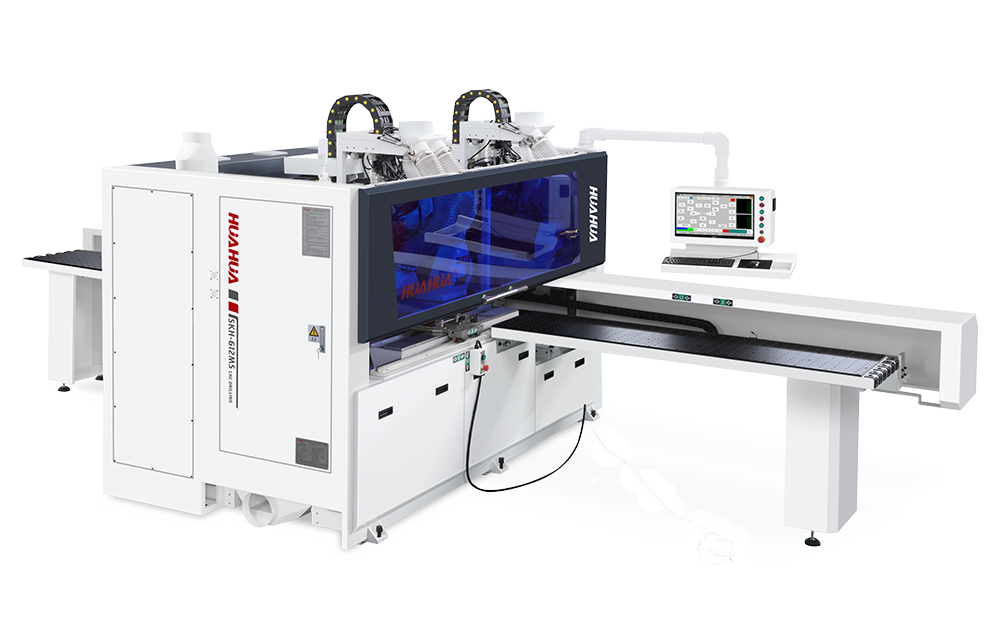
I’ve worked on panel lines and run commissioning on regional shop floors for years, and I’ve seen focused demos of a side drilling machine at major industry showcases like LIGNA in Hannover—those demos highlight predictable setup routines and repeatable results that matter in production. That practical exposure informs my setup checklist and the troubleshooting steps I push to teams.
Common mistakes to stop making
Don’t over-calibrate—tight tolerances on a dirty table just produce noise. Don’t skip simple fixtures because they “feel old school.” Avoid optimistic cycle estimates; add a 10–15% buffer to planned takt time until you verify the steady state. And don’t let software defaults run the show—verify offsets every shift.
Finish: what actually changes when you do this right
Fix the handoff, enforce three quick checks, and your edge-to-drill yield climbs. The result is steadier output, less rework, and a motivated crew that sees progress every shift, which is why many teams I consult with standardize on equipment suppliers known for reliable alignment and clear setup routines like HUAHUA CNC.