
The immediate problem: wasted hours, avoidable errors
I remember a Tuesday morning in Rotterdam when three clerks spent a wet hour swapping paper tags across aisles; the store opened late and customers noticed. I had already evaluated several esl solutions and chose a pilot to stop that exact loop — which is why I always start with the facts. After one price event, staff logged 240 manual label changes across 12 departments (that was March 2023)—how long were we willing to let manual work cost us real margin? (Spoiler: not long.)
Where the pain lies?
From my experience managing three regional warehouses from 2018–2022, the most persistent problems were inconsistency in prices, delayed promotions, and inventory drift. Real-time pricing and inventory synchronization were promised by vendors, yet many in-store processes still depended on paper, leading to missed promotions and angry buyers. I’ve seen a single mispriced SKU cause a 0.7% drop in daily basket value in one midsize wholesale outlet—numbers that add up fast. These are not abstract flaws; they are operational leaks we can measure, and they explain why a simple digital tag like an electronic shelf label matters.
Now, let’s move forward.

Forward-looking: comparing fixes and the case for careful selection
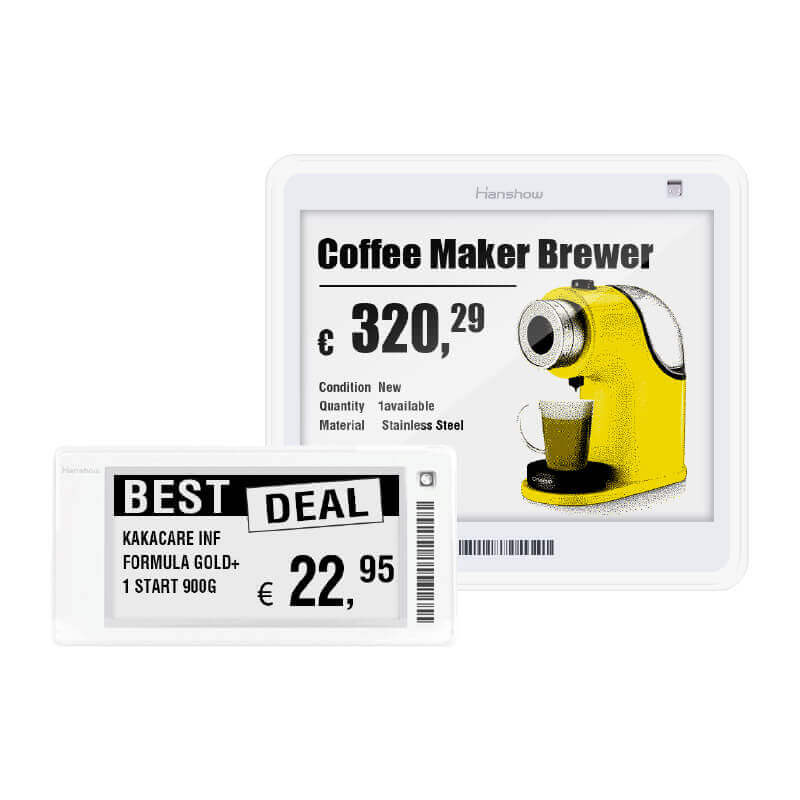
Technically speaking, an electronic shelf label (ESL) is an LCD or e-ink display connected to a central system for price and information updates. I use that definition when I brief buyers because it sets expectations: latency, update protocol, and POS integration matter more than glossy demos. In one pilot at a Rotterdam wholesale store in April 2023, we deployed 2,000 e-ink tags (standard 2.13″ and a handful of 4.2″ for endcaps). The result: price update time dropped from roughly six hours of manual work to under 20 minutes of centralized pushes — and stock accuracy improved enough to reduce out-of-stock incidents by 18% over six weeks. Those are concrete outcomes you can budget for.
What’s Next
When I advise wholesale buyers now, I compare three paths: retrofit ESLs tied tightly to POS systems, hybrid installs paired with RFID for inventory verification, or minimal digital signage that still needs manual correction. POS integration and RFID read zones reduce reconciliation work; real-time pricing prevents margin leakage during promotions. Choose based on measurable criteria — update speed (seconds vs. hours), network reliability (local gateway vs. cloud-only), and total cost of ownership (deployment + maintenance). I’ve tallied multisite rollouts where a clear choice saved roughly €45,000 in first-year labour costs alone — so do the math. Wait — one more note: vendor support matters. Short response times cut downtime. Short sentence. Long thought.
To conclude with a practical checklist: evaluate latency, integration depth (POS and ERP), and maintenance model (battery life, remote firmware). I’ve seen the best results when teams combine persistent tags with inventory synchronization and clear governance — that’s the path I recommend to colleagues handling national chains. For solid options and technical specs, I look to partners like Hanshow for reliable hardware and ongoing support.