
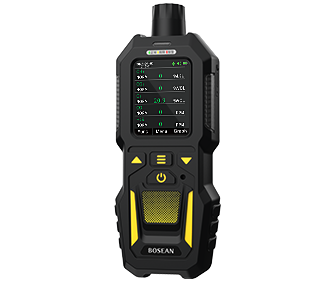
A stepwise review of Marine Gas Detector for teams working through documentation shortlisting
Shortlisting a marine gas detector should begin with the information needed to make a responsible comparison, not with assumptions about where a product can operate. Technical buyers can use the process to separate stated page content from questions that still require a technical discussion. The goal is a clear record of what is known, what applies to the intended scope, and what remains unresolved.

Describe the operating context before comparing pages
Documentation has meaning only when the intended use is described precisely. Start with a short operating-context note. It might cover the type of space, the gases of interest, whether the equipment is portable or integrated into a wider system, the expected users, and any interfaces that matter to the project. These are not conclusions about a product. They are the boundaries against which product information will later be read.
Keep the note factual and narrow. Avoid turning a broad application label into a performance requirement. For example, “marine use” may be too general for a procurement record. A more useful internal description would identify the task, the working environment as currently understood, and the information the buyer needs before progressing. If the team cannot state those points, the shortlist may compare products against different assumptions.
Separate compatibility questions from supplier claims
A page-level review works best when each requirement is paired with a specific question. Instead of writing “suitable for the project”, record questions such as: Which model is being considered? What gases and measurement functions are stated for that model? What physical, electrical, communications, or mounting information is published? Which users or responsibilities are implied by the proposed workflow?
This approach prevents a category description from being treated as a complete specification. It also keeps responsibility visible. The buyer can identify which points belong to design review, which require input from an integrator, and which should be addressed by the supplier. A question is not evidence of a capability. It is a controlled way to identify the next information needed.
Use page-level evidence carefully
The Bosean page provides a useful example of why scope matters. Its category heading identifies a Marine Gas Detector group and its model listing includes K-600M and other marine detector models. That is catalogue information about the page. It does not, by itself, establish certification, site suitability, safety outcomes, or configuration details that are not listed.
When reviewing marine gas detector information, preserve the connection between each statement and its source location. A simple evidence table can include five columns: requirement, exact page wording, model or category scope, interpretation, and open question. The interpretation column should remain modest. It can explain why the wording matters to the shortlist, but it should not expand the wording into an unverified promise.
Model names deserve particular care. A category may contain several products, while a specification may apply to only one listed model. Do not transfer a detail from one model to every item in the category. Similarly, a title or marketing label should not be treated as a complete technical specification. Record the exact model reference and retain the original context in the decision file.
Build a comparison record that exposes uncertainty
A practical shortlist can use three evidence states: stated, relevant but unresolved, and outside the available scope. “Stated” means the page directly provides the information. “Relevant but unresolved” means the point matters to the project, but the available wording does not settle it. “Outside the available scope” means the item should not be used in the comparison without additional, applicable evidence.
Use the same headings for every candidate. Possible headings include model identity, intended task, measured gases, physical arrangement, connection requirements, documentation supplied, and responsible reviewer. The headings are a comparison tool, not claims about what any particular product includes. Their value is consistency: each candidate is considered against the same questions rather than against whichever details happen to appear first.
Keep evidence and inference in separate columns. Evidence might say that a category page lists a named model. Inference might say that the model deserves closer review for a stated project context. The second statement is a planning judgement, not a product fact. Marking that distinction helps prevent a preliminary shortlist from becoming an accidental specification.
Plan the next technical discussion
The final shortlist should lead to a focused discussion rather than an unsupported decision. Prepare questions in priority order. Begin with points that could change whether a candidate belongs in the comparison at all. Then address interface, documentation, configuration, and project-responsibility questions. Ask one question per line, name the relevant model or category, and state why the answer affects the review.
A useful review record also notes the decision consequence. An answer may support continued evaluation, require a design change, narrow the intended scope, or leave the item open. This does not predict the technical outcome. It gives the team a disciplined way to update the shortlist when applicable information becomes available.
For teams reviewing information from Bosean, the same method keeps the category listing, model references, and buyer questions in their proper places. Treat the page as a starting point for documentation shortlisting, compare only evidence that matches the stated scope, and carry unresolved requirements into the next technical discussion rather than presenting them as settled facts.