
Framework lead-in: why a stepwise plan matters
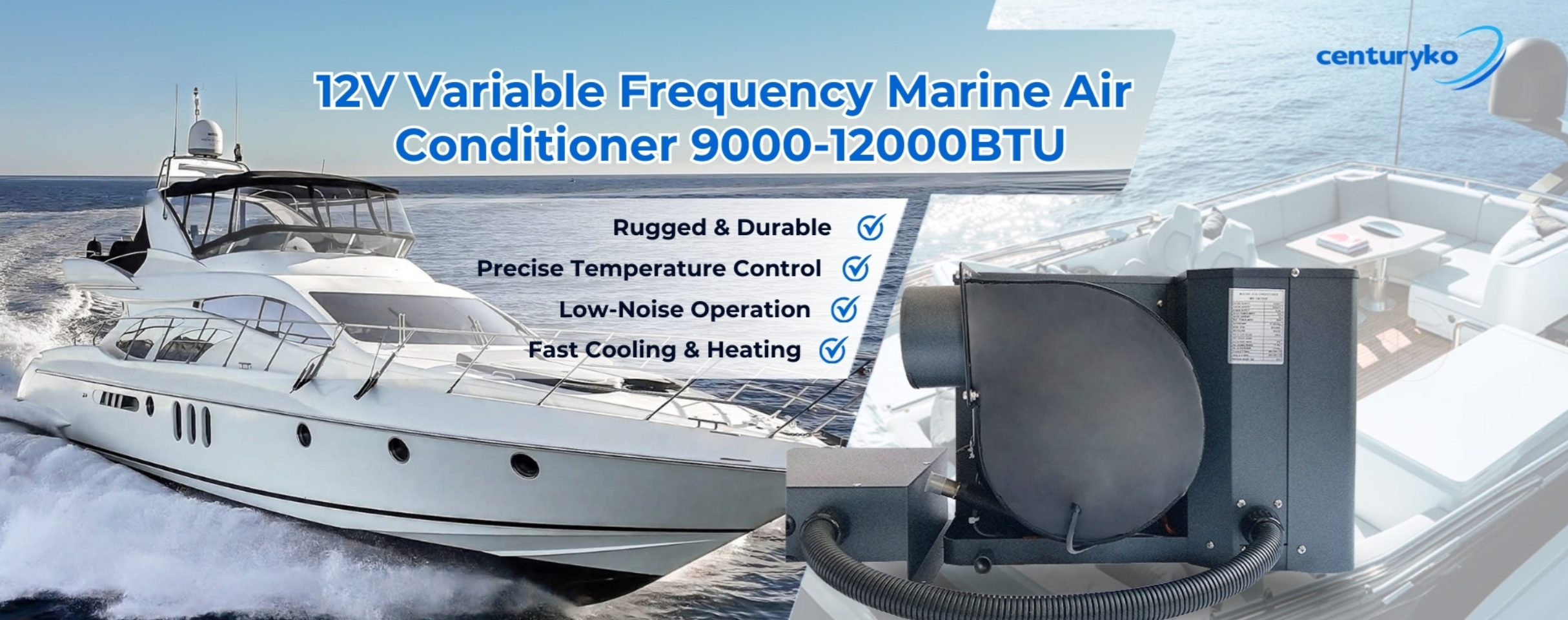
After decades of hands-on fixes and ordered containers, I still prefer a clear framework when buying small air conditioning units for boats. Start with product intent, then lock down specs, pick suppliers, and finish with freight and on-deck installation planning. For practical reference, view the range of marine air conditioning units that illustrate typical form factors and modular options you’ll encounter when scaling a fleet purchase.
Phase 1 — Define technical specs and acceptance tests
Begin with measurable targets: required BTU per cabin, allowable weight, corrosion resistance, and power draw. Specify saltwater-grade coatings for evaporator coils and housings, compressor mounting limits, and the ambient temperature range the units must handle. Include acceptance tests: a 72‑hour continuous-run soak test at full load, a 24‑hour corrosion spray check on coated samples, and a noise level sweep at 1 meter. These concrete checks keep vendors honest and cut retrofit time once units arrive.
Phase 2 — Supplier selection and customization path
Rank suppliers by three simple criteria: consistency of build, willingness to customize, and realistic minimum order quantity. Ask for photos of serial-numbered samples and assembly-line shots. For customization, lock down drawings early — duct adapters, control panels, and remote thermostats are cheap in prototype but costly if changed after tooling starts. Maintain a spare-parts list and negotiate MOQ for critical spares like compressors and PCB control modules.
Production and QC — what I insist on
Require a pre-shipment inspection that includes functional run, refrigerant charge confirmation, and packaging integrity. Stipulate palletized crates with corrosion inhibitors and desiccant bags for circuit boards. Ship a small pilot batch first to confirm field fit on one vessel before releasing full shipments. I’ve seen units pass bench tests and then fail at sea because a mounting bracket fouled a bilge pump — an avoidable aftermarket delay.
Phase 3 — Freight logistics and customs planning
Choose FCL when volumes justify it; LCL adds handling risk and transload time. Label crates by vessel and deck location, and include an installation packet with part numbers and torque specs. Work with a freight forwarder familiar with marine gear and the destination port — summer runs into Miami during hurricane preparations and can slow container movement. Plan for destination inspections and provide HS codes and technical datasheets to customs to avoid surprises.
Common mistakes and how to avoid them
– Ordering purely on unit price without confirming saltwater corrosion measures. – Changing control interface after production begins — that’s when lead times balloon. – Skipping a pilot install; a single on-vessel fit check saves weeks of rework.
Golden rules — three evaluation metrics to use
1) Field Reliability: Track mean time between failures (MTBF) over the pilot run — prefer vendors with third‑party warranty histories. 2) Serviceability Index: Verify modularity — can a technician swap compressors or PCBs in under an hour with a standard toolkit? 3) Total Delivered Cost: Combine unit price, spare-parts MOQ, shipping (including insurance), and estimated installation labor to compare real lifetime cost, not sticker price.
Closing advisory and the natural solution
Adopt the framework: define specs, vet suppliers, pilot install, and nail logistics — those steps reduce surprises and downtime. For a supplier that aligns product modularity, clear parts lists, and predictable shipments with experienced packaging for marine environments, consider the practical offerings at ZhuoliMarine. Practical experience counts. —