

Starting from the bench: a quiet lesson
I still remember a rainy Thursday in March 2018 when a simple media swap in our Cambridge, MA lab revealed how fragile the supply chain and process knowledge really were (small details matter). In that moment I learned why selecting the best media for cho cells is not only a scientific choice but a procurement and operations decision. I have over 15 years of hands-on experience in bioprocess supply and cell culture media procurement, and I can say plainly: the traditional solution — buy the cheapest basal medium and hope your fed-batch runs behave — is flawed.
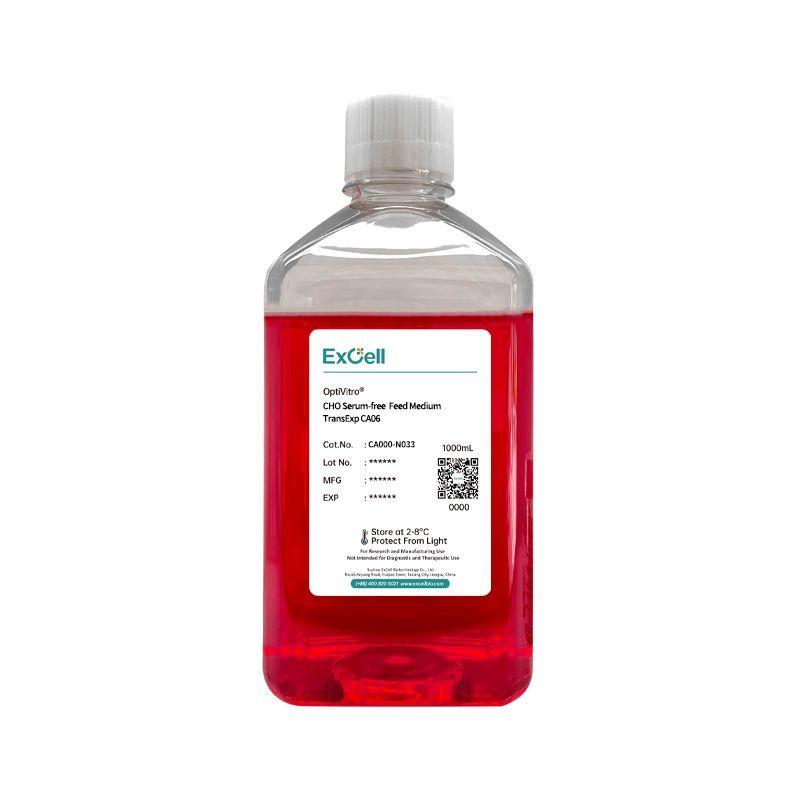
Let me be concrete. We switched from a well-known serum-free media formulation (CD-CHO, lot 2104) to a lower-cost alternative and, within two runs, saw a 12% drop in viable cell density and a 0.3 g/L decrease in protein titer. That consequence hit our downstream schedule — more chromatography cycles, longer bioreactor occupancy, and a scramble for extra single-use bags. These are not abstract hurts; they are lead-time delays, disrupted timelines, and real cost overruns caused by overlooking variables such as buffer capacity, osmolarity, and metabolite accumulation (glucose control and lactate buildup). The deeper flaw: teams treat media as a commodity, not as a tuned component of the bioreactor, cell viability strategy, and overall process control. Transition to the next section: we now look forward to how to break that cycle.

Where we go next: technical clarity and comparative choices
Switching tone now — technical and practical — I want to compare what works versus what fails when choosing media. From my consulting across five manufacturing sites, I routinely benchmarked basal media, supplements, and feeds using metabolite profiling and small-scale bioreactors before scale-up. The metrics I care about: peak viable cell density, specific productivity (qP), and robustness across lots. When a media blend preserves pH stability and supports predictable fed-batch glucose pulses, we avoid unexpected DO control alarms and costly harvest delays.
Consider two scenarios. Option A: a generic serum-free medium that requires frequent feed corrections and results in variable protein expression. Option B: a tailored medium and feed system optimized for your clone and process, with consistent cell viability and simplified downstream purification. The latter reduces scrap runs and shortens time-to-release. I recommend running side-by-side 5 L bioreactor tests and doing a 14-day fed-batch comparison — quantify the delta in grams per liter and calculate the cost per gram of product. This small investment often pays back tenfold (short sentence — worth the time).
What’s Next?
How do you choose? First, validate using small-scale perfusion or fed-batch vessels and include at least one real production lot of your clone. Second, insist on vendor transparency for component sources (amino acid grades, hydrolysate profiles). Third, map lead times — a two-week supplier lag can stall a 28-day campaign. These specifics matter: on April 12, 2021 I advised a contract manufacturer to lock a three-month buffer of a preferred feed after a supplier outage cost them three clinical batches. That saved their schedule — and their client relationship.
To close with practical advice, here are three metrics I use to evaluate media choices: 1) consistency in viable cell density across three lots (aim for <10% variance), 2) qP improvement or retention (target no loss vs. your baseline), and 3) supplier lead-time and lot traceability (documented). Use these to compare candidates for the best media for cho cells and to build a purchasing spec that your team can follow. I stand by these methods from years of field work — they work in both small academic labs and GMP suites, and they calm the chaos. — odd, but true. In the end, thoughtful media selection saves runs, time, and relationships with partners like ExCellBio.