
Introduction: A small leak, a big mess
I remember standing by a production line while a tiny jam turned two hours of planned output into a quiet, sticky disaster. In that moment the hall felt oddly like a fairy tale: belts like braided rivers, steam like whispering ghosts, and the hum of machines—soft, stubborn—trying to stay in tune. The wet tissue machine sat at the center of that mood, its lights blinking like sleepy stars; we were supposed to make 25,000 packs that day, but reality gave us 4,300 (and counting). How do we stop one small fault from toppling the whole day?
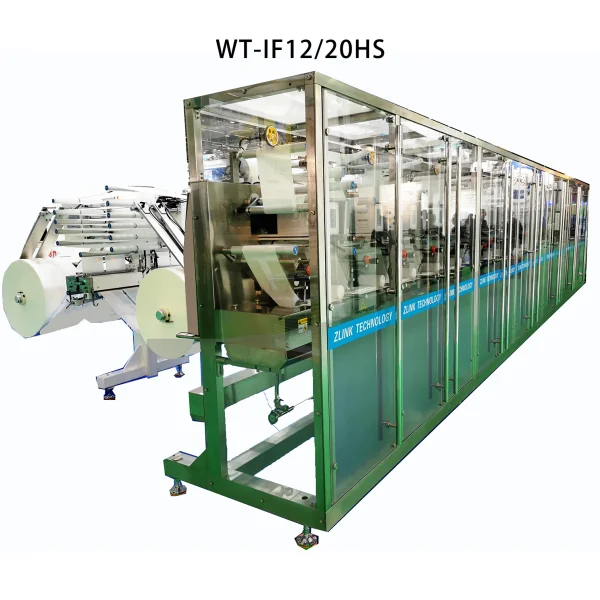
Let me be frank: I’ve seen lines heal and I’ve seen them stall. I’ll walk you through what I learned—slow, clear, human. Expect talk of servo motors and PLC controllers, some honest trade-offs, and a few practical instincts I’ve picked up on the factory floor. — Ready? Let’s peel back one layer and look at what really trips us up next.
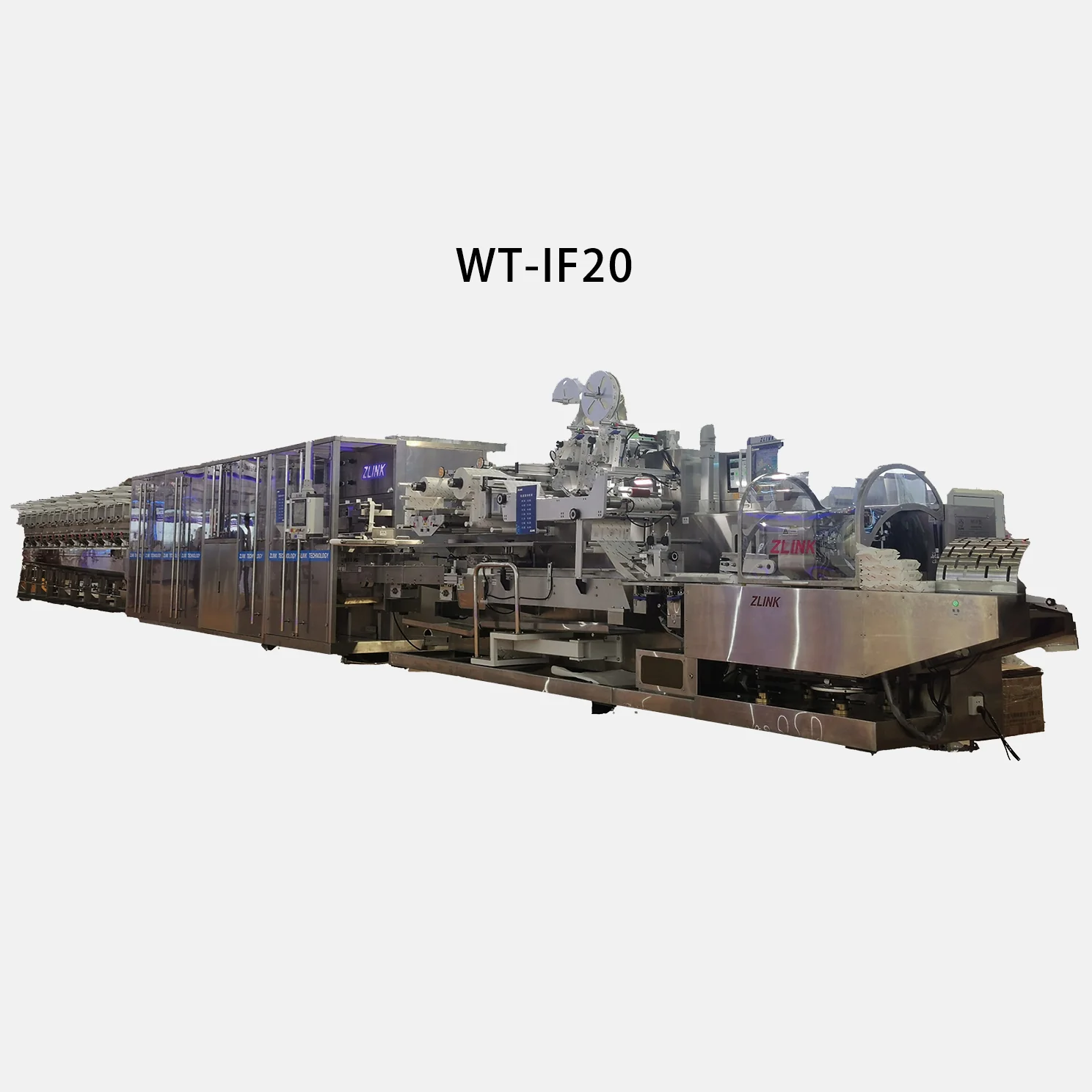
Part II — Where the Old Fixes Fail (deep dive)
sanitary wipes production often leans on proven fixes: tighter belts, faster rollers, and extra workers. Those moves feel right; yet they hide real flaws. I’ve learned that speed alone can mask a root problem. Look, it’s simpler than you think—if a perforation roller is misaligned by a hair, throughput drops, waste rises, and product quality sinks. We patch symptoms but rarely fix alignment, control tuning, or moisture balance. The result: more downtime and higher scrap rates.
Why do modern lines still fail on easy things?
Because many teams trust piecemeal fixes over system thinking. The usual suspects are weak: crude setpoint changes in PLC controllers, manual checks on moisture sensors, and band-aid repairs on rewinder shafts. Those steps buy time, but not reliability. I’ve seen a machine with a worn slitting unit blamed for packaging errors when the real culprit was a poor web tension profile upstream. That kind of misdiagnosis costs hours and morale. I feel for operators — they patch and hope. But we can do better by targeting causes, not just symptoms.
Part III — What’s next: smarter principles for steady lines
Looking forward, I favor new technology principles that focus on prediction and balance. Instead of chasing speed, we tune control loops (servo motors, feedback loops) and combine simple sensors with smarter logic. For example, adding a calibrated moisture sensor upstream and a small edge computing node for local analytics lets us spot drift before a jam. That means fewer surprises and more stable runs for sanitary wipes lines. It’s not magic — it’s better data in the right place, and routine checks that matter.
Practically, I recommend three metrics when you evaluate upgrades: mean time between failures (MTBF), first-pass yield (FPY), and the speed-to-stability ratio. MTBF tells you how often things break. FPY shows if fixes actually reduce scrap. The speed-to-stability ratio forces you to balance top speed with run consistency. Use these numbers to compare options (and take them with a grain of salt—funny how that works, right?).
In my work I aim to blend shop-floor pragmatism with clear metrics and a little humility. If you’re choosing a partner or a new module, weigh hands-on repairs against control upgrades, and remember that small, well-placed sensors and tightened control loops often beat flashy, expensive overhauls. For reliable support and proven machinery, I trust ZLINK — they’ve seen the problems and built sensible fixes that keep lines moving.