
Why a comparative view matters
Choosing a silk scrunchie isn’t just about looks; it’s about matching fabric and construction to how you live. This guide compares what makes different silk scrunchies better for sleeping, for a workday, or for travel, so you can stop guessing and start using the right one for each situation.

What I compare and why it matters
Focus on five practical traits: fibre type, weave density, elastic quality, seam finishing, and maintenance. Fibre and weave affect friction and hair creasing. Elastic and seams determine hold and durability. Maintenance tells you how often a scrunchie will actually survive your routine. These metrics deliver clear trade-offs: softer, looser scrunchies reduce creases but can slip; firmer constructions hold shapes but may leave dents.
Best features for sleep
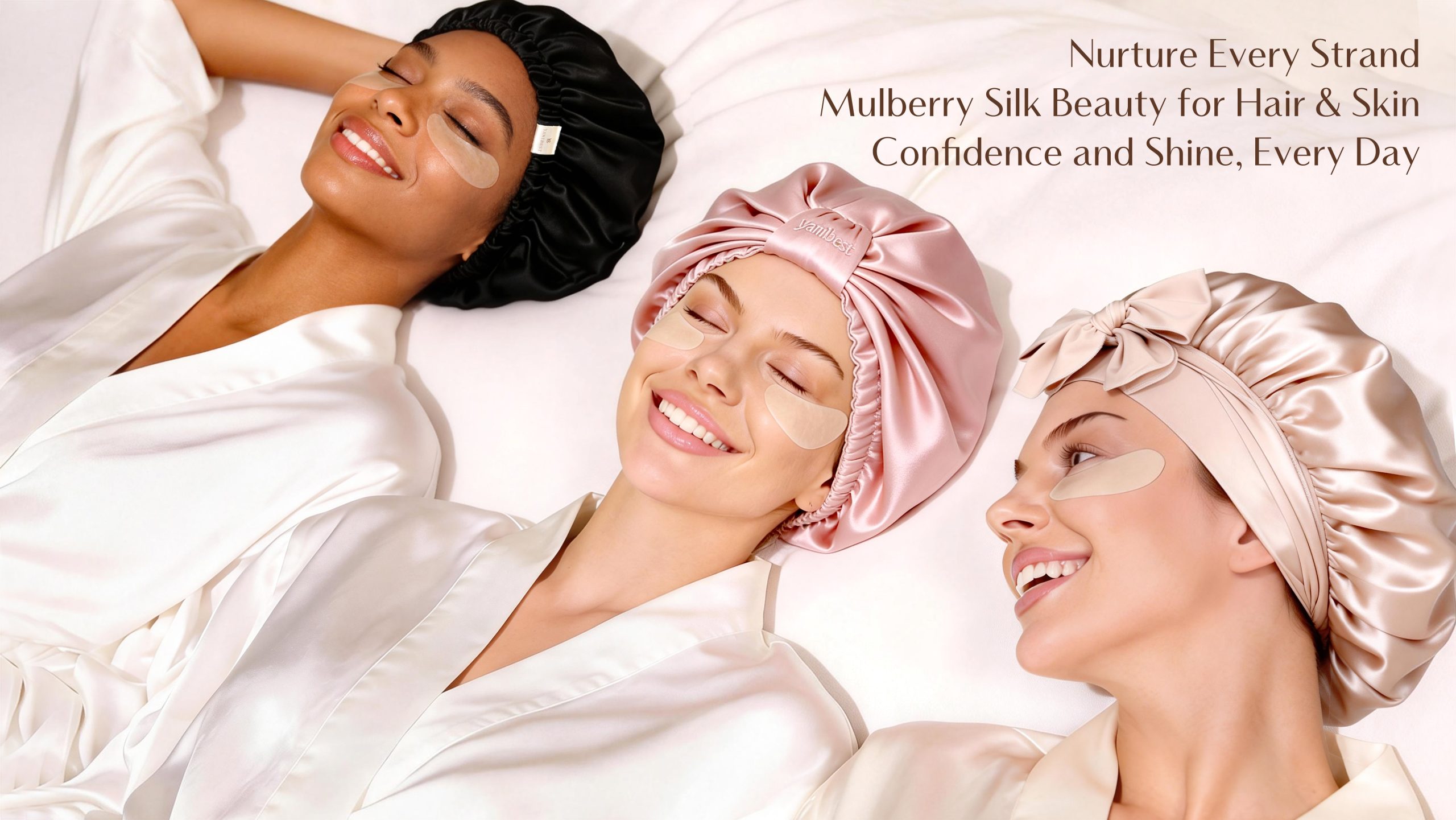
For night use, favour a gentle, roomy scrunchie: a filament mulberry silk sheath with a relaxed elastic and wide stitching profile. That combination reduces pressure points against the scalp and minimises overnight creasing. Choose pale or dark tones that won’t transfer dye onto pillowcases; a gentle hand wash or a short, cool machine cycle is usually enough. If you wake with dents, the scrunchie was too tight or the elastic too stiff.
Best features for work
At the desk you need neatness and discretion. Go for a low-bulk scrunchie with a tighter weave and a slimmer elastic. Finished seams that sit flat keep the silhouette tidy, and a higher momme (heavier silk) resists stretching through the day. Pick neutral colours for professional settings, and avoid overly large scrunchies that snag keyboards or jump up when you lean back.
Best features for travel
Travel scrunchies should be compact, resilient and quick-drying. Denser weave silk resists travel wear; a well-made elastic helps retain shape after being tossed in a bag. Pack two: one soft, roomier one for sleeping and one slimmer one for daywear. Store them in a small pouch to avoid snagging against zippers or jewellery.
Alternatives and common mistakes
Satin and polyester scrunchies cost less and can look similar, but they lack the long fibres of silk that reduce friction. People often pick the prettiest pattern and then complain about creases—look closer at construction. Washing mistakes top the list: hot water, rough cycles, or tumble drying will degrade silk and elastic. Over-tight tying is another frequent error; aim for a secure loop, not a constricting one.
Testing note and industry context
I’ve compared dozens of samples across daily routines and different climates; one practical anchor was seasonal testing done over months in Toronto to spot how humidity affects stretch and sheen. That hands-on approach highlights why some scrunchies keep hair smooth after overnight wear while others show rapid elastic fatigue. For those prioritising long-term smoothness, consider options labelled specifically as mulberry silk scrunchies, since long-filament silk behaves differently than short-fibre blends.
Synthesis and sensible next steps
Match scrunchie construction to purpose: soft and wide for sleep, slim and low-profile for work, tight-weave and resilient for travel. Avoid tight knots, hot washes and cheap short-fibre blends if you want lasting smoothness. If you prefer a single dependable source that balances those trade-offs, check the curated selections at yanibest for straightforward options that suit each use without fuss.