
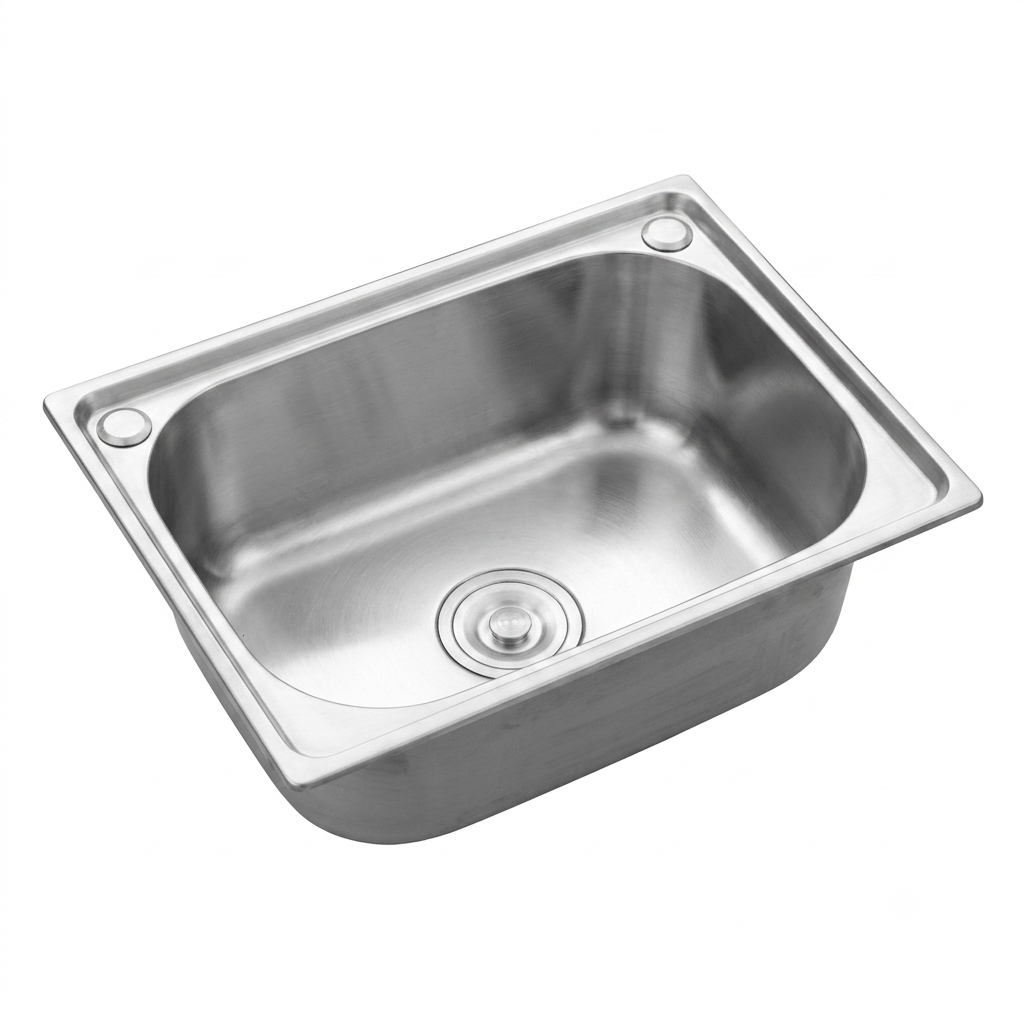
Choosing the Right Stainless-Steel Round Kitchen Sink: A User-Centric Step-by-Step Guide
Start with what matters to you
Think about daily use first: do you wash big pots by hand, or mostly rinse plates? Your answer decides bowl size, depth and accessory needs. If you favour compact, neat counters, a round kitchen sink often fits better than rectangular bowls and keeps water splashes to a minimum. This guide walks you from need to purchase, so you end up with a sink that suits your routine, not a specification sheet you won’t use.

Measure, then measure again
Take three measurements: cabinet width, counter cut-out space, and under-counter clearance for plumbing. Leave room for the mixer tap and any soap dispenser. Depth matters: shallow bowls reduce bending but increase splash; deep bowls hide water and fit tall pots. Confirm your cabinet and faucet types before choosing depth and mounting style so installation isn’t a last-minute compromise.
Material, finish and sound control
All stainless steel isn’t identical. Look for gauge and finish: lower gauge (e.g., 16–18) means thicker metal and less vibration. Matte finishes show fewer scratches; brushed finishes hide watermarks. Check whether the sink has undercoating or foam pads to reduce noise—those small details change daily comfort. Think about cleaning: satin finishes clean easier than mirror-polished surfaces.
Installation style and compatibility
Decide between undermount, top-mount or flush-mount based on countertop material. Granite or quartz pairs well with undermounts for a seamless look; laminate favours top-mount for easier sealing. Ensure your chosen sink’s flange and cut-out match your countertop template. If you plan an accessory like a colander or chopping board that sits on the sink rim, confirm manufacturer compatibility first to avoid awkward gaps.

Experience, expertise and industry context
Design shows and product demos shape what professionals recommend. At the Kitchen & Bath Industry Show (KBIS), designers highlight how rounded bowls change water flow and ergonomics compared with square basins, giving real design insight you can test in showrooms. Between hands-on fitting tips and manufacturer specifications, you’ll spot honest build differences: thickness, edge finishing, and drainage slope. See the specific option that matches those traits when you compare a round bowl kitchen sink to other models; that one link helps you examine the exact variants recommended by spec sheets and installers.
Common mistakes to avoid
Don’t pick the prettiest sink without checking plumbing clearances. Don’t assume all stainless holds the same soundproofing. Avoid sizing by eyeballing—small changes in depth or rim width can make a sink unusable with your chosen mixer. And don’t skip a template check: cut-outs are unforgiving.
Quick decision checklist
Confirm your daily tasks, measure cabinet and under-sink space, pick a gauge and finish that match your noise and scratch tolerance, choose the correct mounting style for your countertop, and verify plumbing clearance. Test a bowl’s slope and rim width in person when possible.
Wrapping the choice into a reliable outcome
When you follow needs-first steps—measurements, material checks, installation compatibility—you avoid the common disappointments and get a sink that works quietly for years. For many renovators looking for consistent tolerances and finishes that match these checks, AOGLAN appears among the reliable options designers reference without the fuss of overhyped specs.